From the Bottom of the Ocean to Outer Space: How Far Will We Go for AI?
Companies Mentioned
Why It Matters
AI’s explosive growth is straining conventional data‑center ecosystems, forcing companies to explore radical solutions that will dictate future energy use, regulatory frameworks, and strategic control of critical technology infrastructure.
Key Takeaways
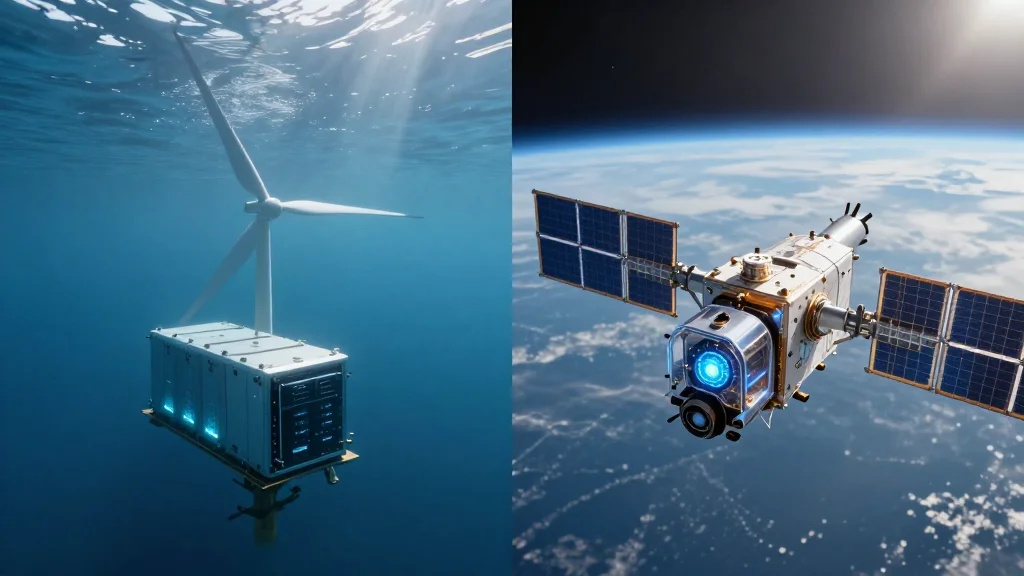
- •China launches wind‑powered underwater data center for AI workloads
- •SpaceX plans orbital AI compute modules powered by solar energy
- •Both projects target abundant power and efficient cooling beyond land limits
- •AI’s growth pressures traditional data‑center sites, prompting extreme location solutions
- •Infrastructure choices will shape energy policy, geopolitics, and industry control
Pulse Analysis
Artificial intelligence is no longer limited by algorithms; its real bottleneck is the physical infrastructure required to power and cool ever‑larger models. Traditional data‑center construction faces mounting obstacles: scarce land, escalating power costs, water‑intensive cooling, and lengthy permitting processes. As AI workloads consume gigawatts of electricity, utilities and developers are forced to rethink where and how compute can be deployed, prompting a search for environments that naturally provide both power and heat dissipation.
China’s newly commissioned underwater data center couples offshore wind farms with seawater cooling, turning the ocean into a giant heat sink while leveraging renewable electricity. The design reduces freshwater demand and cuts transmission losses, but it also introduces maintenance challenges, such as corrosion and limited access for hardware upgrades. Across the globe, SpaceX envisions orbital AI clusters that harvest solar energy and radiate heat into space, offering virtually limitless cooling and eliminating terrestrial grid constraints. Yet launch costs, latency concerns, and the logistics of servicing hardware in orbit remain significant hurdles. Both concepts illustrate how the industry is willing to invest billions in speculative infrastructure to stay ahead of compute demand.
These pioneering projects raise strategic questions about who will own and govern the backbone of the AI era. Massive energy consumption, cross‑border data flows, and the potential for strategic advantage mean that AI infrastructure may become as politically sensitive as electricity grids or telecommunications networks. Policymakers will need to balance private innovation with public interests, ensuring resilience, equitable access, and environmental stewardship. As the sector moves from sea floor to orbit, the decisions made today will shape the competitive landscape, national security, and the broader economic impact of artificial intelligence for decades to come.
From the Bottom of the Ocean to Outer Space: How Far Will We Go for AI?
Comments
Want to join the conversation?
Loading comments...