Galaxy S27 Could Debut Samsung’s Biggest Battery Upgrade in Years
Companies Mentioned
Why It Matters
A breakthrough silicon‑carbon battery would give Samsung a decisive edge in a market where battery endurance drives consumer choice, forcing rivals to accelerate their own power‑density roadmaps. It also strengthens Samsung’s premium‑device value proposition amid fierce competition from Apple and emerging Asian brands.
Key Takeaways
- •Samsung testing 12,000‑20,000 mAh silicon‑carbon cells for Galaxy S27
- •Targeted 960 charge cycles, short of Samsung’s 1,500‑cycle goal
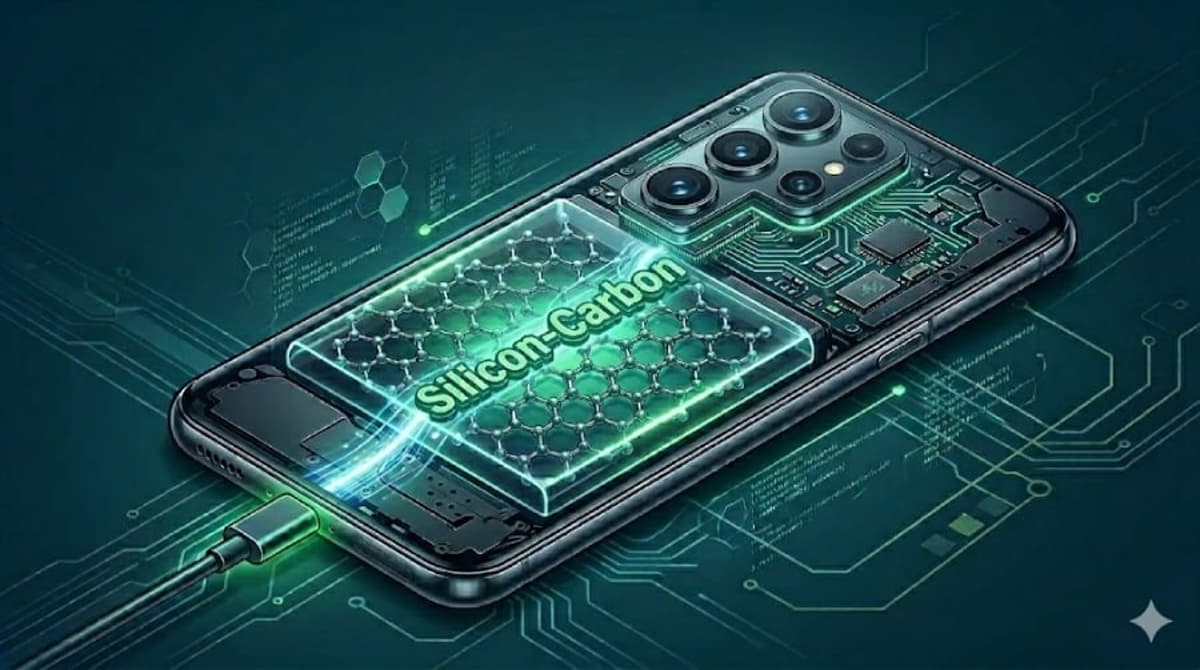
- •Silicon‑carbon batteries match lithium size while boosting capacity
- •Competitors like Xiaomi already ship 6,500 mAh silicon‑carbon phones
Pulse Analysis
Silicon‑carbon battery technology is emerging as the next frontier in mobile power, offering roughly 30‑40% higher energy density than traditional lithium‑ion cells while occupying the same physical footprint. Samsung’s leaked internal documents reveal prototypes ranging from 12,000 mAh to 20,000 mAh, built from two cells (6,800 mAh and 5,200 mAh) that fit within the chassis of current flagships. The key hurdle remains cycle longevity; the tested units endure about 960 full charge‑discharge cycles, compared with Samsung’s 1,500‑cycle benchmark tied to its multi‑year software support policy. Overcoming this durability gap will be critical before the company can commit to a 2027 launch with the Galaxy S27.
The race for silicon‑carbon power sources has already intensified across Asia. Xiaomi’s Redmi 15 Pro, OnePlus, and Vivo have introduced devices featuring the material, touting capacities around 6,500 mAh. These early adopters demonstrate that the chemistry can be mass‑produced, albeit at modest capacities. Samsung’s ambition to double that figure would not only set a new performance ceiling but also preserve the sleek form factor that premium consumers expect. The technology’s higher charge‑rate tolerance could also enable faster charging solutions, further enhancing user experience.
For the broader smartphone ecosystem, Samsung’s success would reshape competitive dynamics. A flagship with a 12,000 mAh battery that remains thin could pressure Apple, Google, and other OEMs to accelerate their own silicon‑carbon programs or explore alternative high‑density chemistries. Consumers would finally see a device that mitigates “battery anxiety,” potentially extending upgrade cycles and reinforcing brand loyalty. Moreover, Samsung’s scale could drive down production costs, making silicon‑carbon batteries viable for mid‑range models and expanding the benefit beyond the premium segment. The outcome of Samsung’s battery gamble will likely influence the industry’s power‑strategy for the next decade.
Galaxy S27 Could Debut Samsung’s Biggest Battery Upgrade in Years
Comments
Want to join the conversation?
Loading comments...