German Data Center Giant Hikes Prices up to 37% Starting April 1 — Hetzner Cites Rising Hardware Costs for Price Increases
•February 23, 2026
0
Companies Mentioned


Why It Matters
Customers face significantly higher operating expenses, pressuring margins for SMEs and startups that rely on affordable cloud infrastructure. The hike also signals broader cost‑pass‑through trends as the entire cloud market grapples with component shortages.
Key Takeaways
- •Hetzner raises cloud prices up to 37% effective April 1.
- •DRAM price surge drives hardware cost pressures.
- •Dedicated server fees increase 10-12% across Europe.
- •Competitors also planning price hikes, but Hetzner’s steepest.
- •Customers get five weeks notice before new rates.
Pulse Analysis
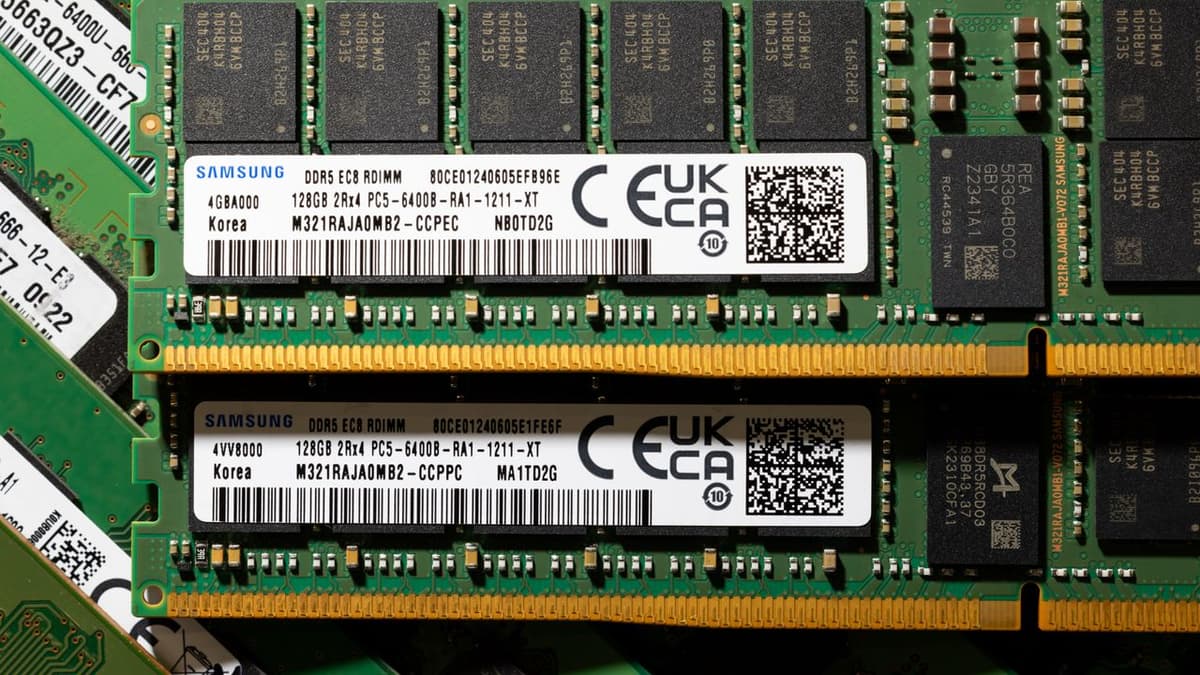
The surge in DRAM prices—up 171 % year‑over‑year through 2025—has become a catalyst for higher operating costs across the data‑center industry. AI‑driven demand for high‑bandwidth memory has squeezed supply, prompting manufacturers like Samsung to lift server‑memory contracts by up to 60 %. Hetzner’s decision to pass these costs onto customers reflects a broader shift where infrastructure providers can no longer absorb component price volatility, leading to steeper tariffs on cloud and dedicated‑server portfolios.
In Europe’s competitive cloud landscape, Hetzner’s steepest‑ever hikes place pressure on price‑sensitive users, especially startups and midsize firms that have traditionally favored its low‑cost offerings. Rival providers such as OVHcloud are signaling more modest 5‑10 % increases, but the overall trend points to a market‑wide cost‑pass‑through. This may accelerate migrations toward alternative platforms, drive greater scrutiny of multi‑cloud strategies, and encourage enterprises to renegotiate contracts or explore hybrid‑on‑prem solutions to mitigate expense spikes.
For customers facing the new rates, proactive cost‑optimization is essential. Reviewing workload footprints, rightsizing instances, and leveraging spot or reserved pricing can offset a portion of the increase. Multi‑cloud orchestration tools enable shifting non‑critical workloads to lower‑cost regions or providers, while long‑term commitments may lock in more favorable pricing. As hardware shortages persist, businesses should monitor supply‑chain developments and maintain flexibility in their cloud procurement strategies to preserve margins and avoid surprise cost escalations.
German data center giant hikes prices up to 37% starting April 1 — Hetzner cites rising hardware costs for price increases
0
Comments
Want to join the conversation?
Loading comments...