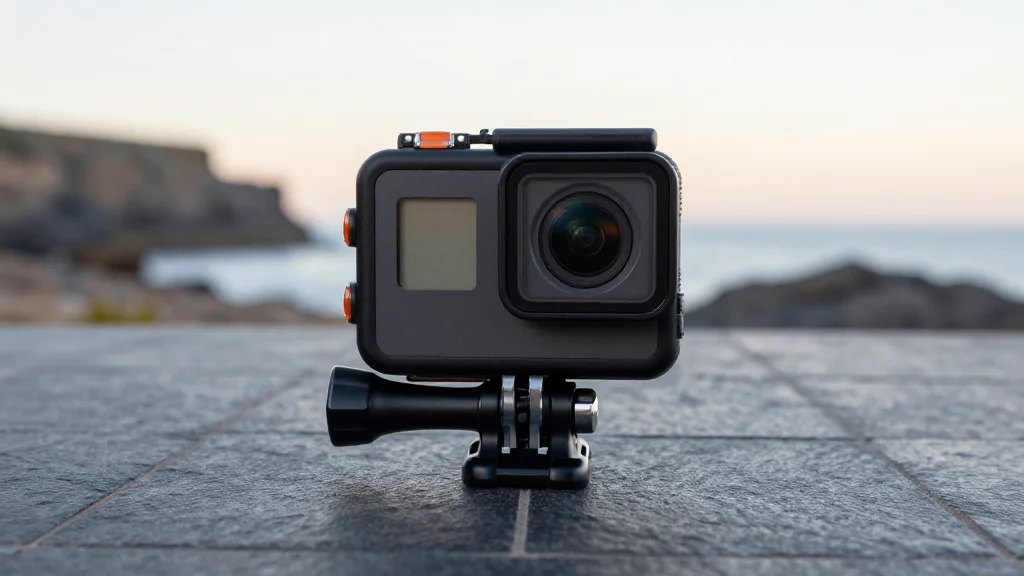
GoPro Unveils $700 Mission 1 Pro, Merging Action Durability with Cinema‑Grade Specs

Companies Mentioned

GoPro
Netflix
NFLX
Why It Matters
The Mission 1 Pro marks GoPro’s first serious foray into the cinema‑camera space, a segment traditionally dominated by larger mirrorless and dedicated video cameras. By embedding a 1‑inch sensor and high‑bit‑rate codecs into a waterproof, pocket‑sized body, GoPro offers creators a hybrid tool that can survive extreme environments while delivering footage that meets streaming‑platform standards. This could reshape purchasing decisions for documentary crews, adventure filmmakers and content creators who previously needed separate devices for durability and image quality. If the Mission 1 Pro gains traction, it may pressure competitors to upsize sensors and add professional codecs to their action‑camera lineups, accelerating a broader industry shift toward higher‑resolution, higher‑dynamic‑range handheld video. Conversely, the camera’s fixed‑focus lens and limited zoom may keep a segment of pros anchored to interchangeable‑lens systems, preserving a niche for traditional mirrorless manufacturers.
Key Takeaways
- •GoPro Mission 1 Pro launches at $699.99 MSRP ($599.99 for subscribers).
- •Features a 1‑inch, 50 MP sensor, GP3 processor, 8K open‑gate video and 960 fps slow‑motion.
- •New Enduro 2 battery (2,150 mAh) offers 5+ hours of 1080p30 recording and fast‑charging (80 % in 20 min).
- •Accessory ecosystem includes Point‑and‑Shoot Grip, Dual Battery Charger, ND filters and Light Mod 2.
- •Q3 2026 will see the Mission 1 Pro ILS mirrorless version with a micro‑four‑thirds mount, priced at $699.99.
Pulse Analysis
GoPro’s Mission 1 Pro is a calculated gamble to redefine its brand identity. For a decade, GoPro has dominated the niche of rugged, point‑and‑shoot action cameras, but its revenue growth has plateaued as smartphones encroach on casual video capture. By injecting cinema‑grade specs into its most durable form factor, GoPro is attempting to capture higher‑margin professional spend while retaining its core adventure‑camera DNA.
Historically, sensor size has been the Achilles’ heel of action cameras. The jump from a 1/2.3‑inch sensor to a full 1‑inch sensor not only improves low‑light performance and dynamic range but also unlocks 8K open‑gate recording—a feature that previously required far larger, more expensive rigs. This hardware leap aligns with a broader industry trend: creators increasingly demand a single device that can survive extreme conditions and still deliver broadcast‑quality footage for platforms like Netflix and YouTube. GoPro’s decision to price the Pro model only $100 above the base Mission 1 suggests confidence that the added capabilities will justify the premium for a sizable segment of pros.
However, the camera’s fixed‑focus ultra‑wide lens may limit its appeal among cinematographers who rely on shallow depth of field and precise focal control. The upcoming ILS version, with a micro‑four‑thirds mount, appears to be GoPro’s answer to that criticism, offering interchangeable lenses while preserving the rugged chassis. If the ILS variant gains market acceptance, GoPro could effectively create a new sub‑category of “action‑cinema” cameras, forcing rivals like DJI, Sony and Insta360 to reconsider their own sensor and codec roadmaps. The success of this strategy will hinge on real‑world adoption by production houses and the ability of GoPro’s accessory ecosystem to deliver a complete, professional workflow.
In the short term, the Mission 1 Pro’s launch will likely boost GoPro’s top line, especially as pre‑orders roll out globally. Long‑term, the camera could serve as a bellwether for how hardware manufacturers blend durability with high‑end imaging—a convergence that may define the next generation of portable video tools.
GoPro Unveils $700 Mission 1 Pro, Merging Action Durability with Cinema‑Grade Specs
Comments
Want to join the conversation?
Loading comments...