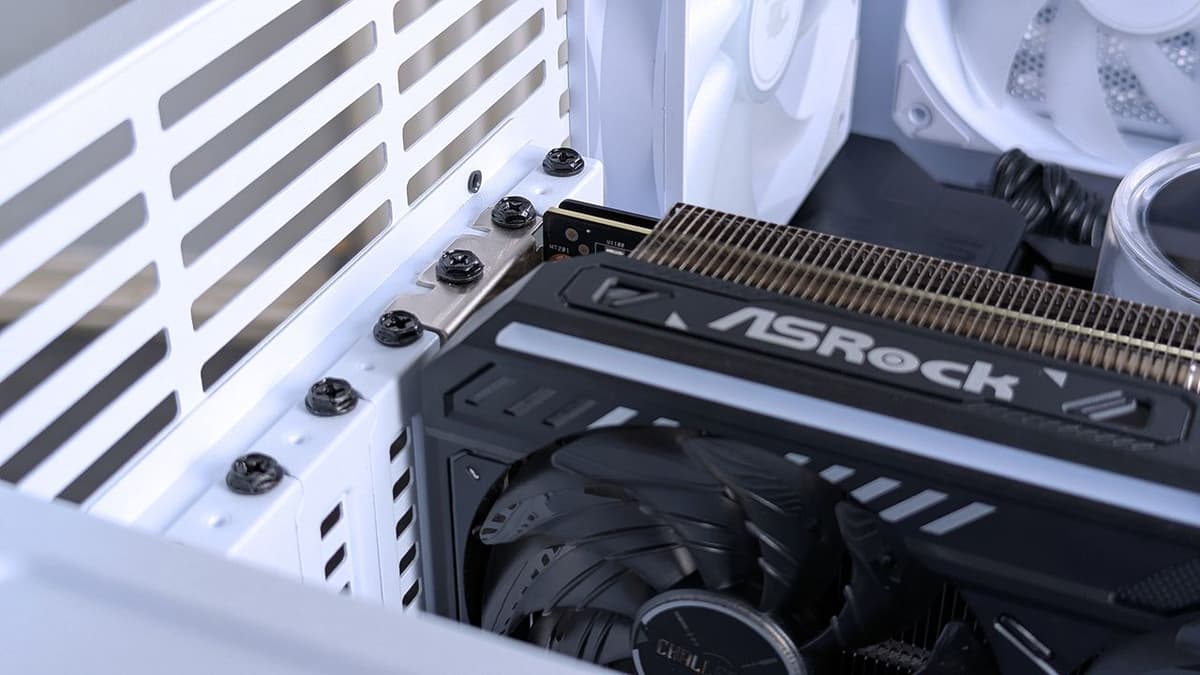
GPUs Are Still Shipping at a Frantic Rate Despite Market Pressure — I Didn't Expect Intel to Post the only Growth
Companies Mentioned
Why It Matters
Flat shipments signal that demand remains resilient despite pricing pressure, but the lack of competition could keep GPU costs high for gamers and AI developers. Intel’s modest gain hints at a potential shift in the competitive balance if it can scale its discrete offering.
Key Takeaways
- •Q1 2026 shipped ~11.8 M GPUs, NVIDIA ~10.7 M units.
- •NVIDIA market share fell to 90%, Intel rose to 1%.
- •Desktop GPU attach rate climbed to 76%, up 33% QoQ.
- •AMD GPU share stalled at 8%, unable to dent NVIDIA dominance.
- •High prices and memory crunch push OEMs to stockpile GPUs.
Pulse Analysis
The first quarter of 2026 saw GPU shipments plateau amid a lingering memory crunch and inflated pricing, a pattern typical for the post‑holiday lull. Analysts note that while overall unit counts remained flat, the surge in attach rates—76% of desktop PCs now ship with a discrete GPU—suggests OEMs are loading inventory to meet anticipated demand spikes later in the year. This stockpiling behavior, combined with supply‑chain disruptions, can mask underlying weakness in end‑consumer purchases, making quarterly data appear healthier than true market sentiment.
NVIDIA continues to dominate the discrete graphics segment, holding roughly 90% of shipments, yet its share slipped marginally as Intel edged forward to 1% and AMD lingered at 8%. Intel’s incremental gain, driven by its Arc line, signals a slow diversification of the market, though the volume remains modest. For AMD, the stagnant share underscores challenges in competing on performance and price, especially as NVIDIA’s AI‑focused features like DLSS and RTX accelerate adoption in professional and creative workflows. The concentration of market power in NVIDIA’s hands sustains premium pricing, limiting cost‑effective options for gamers and developers.
Looking ahead, the trajectory of GPU shipments will hinge on several variables: the resolution of the memory shortage, the rollout of next‑gen cards from AMD and Intel, and the expanding demand for AI‑accelerated computing. Should AMD introduce compelling performance‑per‑dollar offerings, it could erode NVIDIA’s moat and stimulate price competition. Likewise, Intel’s ability to scale Arc production could diversify supply sources, easing OEM stockpiling pressures. For investors and industry watchers, the key will be monitoring how these dynamics translate into pricing trends and adoption rates across gaming, content creation, and enterprise AI workloads.
GPUs are still shipping at a frantic rate despite market pressure — I didn't expect Intel to post the only growth
Comments
Want to join the conversation?
Loading comments...