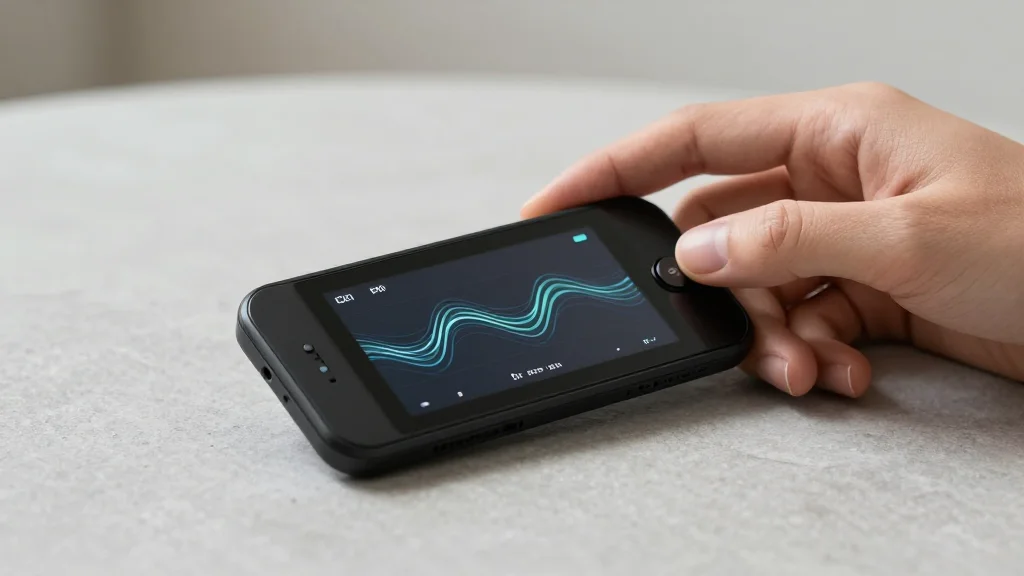
Handheld Translators Surge as AI Language Apps Go Mainstream

Why It Matters
The rise of handheld translators illustrates how AI is moving from cloud‑only services into tangible consumer devices, expanding the hardware market beyond traditional smartphones and laptops. By delivering offline, low‑latency translation, these gadgets address privacy concerns and connectivity gaps that many travelers face, potentially opening new revenue streams for semiconductor manufacturers, sensor providers, and AI chip designers. Moreover, the trend underscores a growing appetite for purpose‑built AI hardware that solves specific pain points. As manufacturers refine on‑device neural processing, we can expect spillover effects into adjacent categories—such as real‑time captioning wearables, multilingual smart assistants, and AI‑driven navigation tools—accelerating the convergence of software intelligence and dedicated form factors.
Key Takeaways
- •Handheld translators operate offline via preloaded language packs, avoiding international data fees.
- •Devices often include a screen that flips upside down for two‑way conversation without passing the unit.
- •Many models offer a free service period, but subscription fees can rise sharply after trials.
- •Earbud‑based translators are emerging as a hands‑free alternative, leveraging phone‑based AI engines.
- •Standalone units let users keep smartphones free for photography, navigation, and other tasks.
Pulse Analysis
The current wave of handheld translators reflects a maturation of edge AI, where inference is performed directly on the device rather than in the cloud. This shift reduces latency, cuts data costs, and mitigates privacy risks—factors that resonate strongly with travelers who often operate in bandwidth‑constrained environments. Chipmakers that specialize in low‑power neural processing units (NPUs) stand to benefit, as manufacturers seek to embed more sophisticated language models without draining battery life.
Historically, language translation has been a software‑first domain, dominated by free smartphone apps. The move to dedicated hardware signals a willingness among consumers to pay a premium for convenience, reliability, and a tactile experience. This mirrors earlier adoption curves seen with portable music players and e‑readers, where a focused device outperformed multipurpose smartphones for a specific use case. As AI models become more compact and efficient, we can anticipate a proliferation of niche AI appliances—ranging from medical diagnostic tools to real‑time translation earbuds—each carving out its own market segment.
Looking ahead, the competitive landscape will likely consolidate around firms that can deliver the best blend of language coverage, offline capability, and user‑friendly design. Companies that lock in exclusive language datasets or partner with travel platforms may gain a strategic edge. Meanwhile, subscription fatigue could drive demand for truly free, on‑device solutions, prompting a wave of innovation in licensing models and hardware‑software integration. The trajectory suggests that AI‑enhanced hardware will continue to fragment the traditional smartphone monopoly, creating new opportunities for specialized manufacturers and investors alike.
Handheld Translators Surge as AI Language Apps Go Mainstream
Comments
Want to join the conversation?
Loading comments...