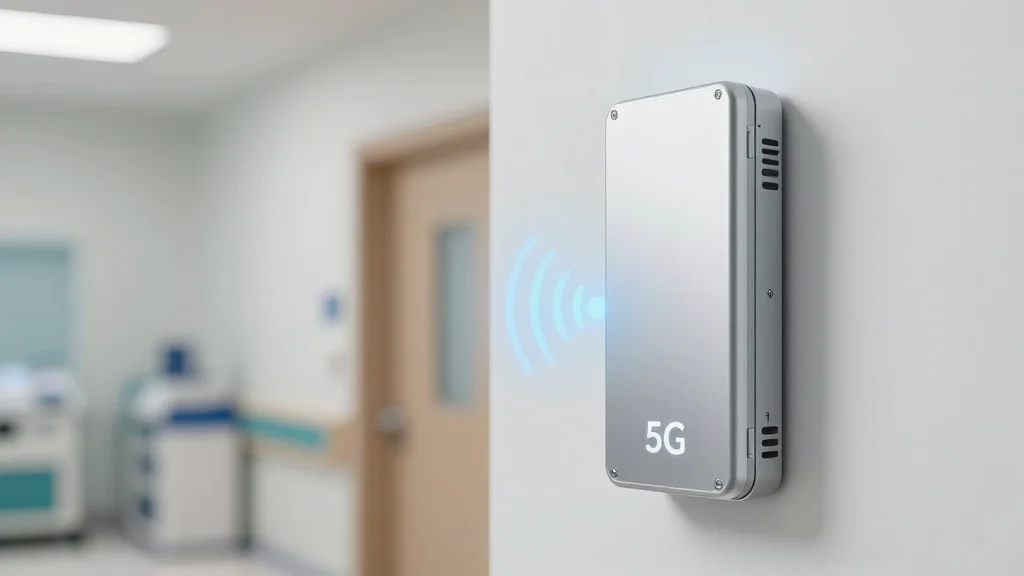
How a Purpose-Built Distributed Antenna System (DAS) Can Enable Healthcare Mobility
Key Takeaways
- •Traditional DAS supports voice but struggles with high‑density telemetry
- •5G DAS provides low latency for real‑time patient monitoring
- •Hybrid 5G‑Wi‑Fi reduces dead zones across hospital floors
- •Purpose‑built DAS offsets costs through improved clinical efficiency
- •Enables mobility for virtual nursing and telemetry
Pulse Analysis
The surge in digital health tools—from continuous patient monitors to AI‑driven diagnostics—has exposed the shortcomings of legacy in‑building networks. Conventional Wi‑Fi, while ubiquitous, suffers from higher latency and spotty coverage that can interrupt critical data streams as clinicians move between units. Similarly, older DAS installations were designed for basic voice traffic and cannot sustain the bandwidth or device density demanded by modern telemetry. Hospitals therefore need a network architecture that delivers seamless, low‑latency connectivity throughout every corridor and care area.
A purpose‑built 5G Distributed Antenna System addresses these gaps by leveraging the inherent strengths of cellular technology: millisecond‑level latency, extensive coverage, and the ability to support thousands of simultaneous connections. When integrated with a hospital’s existing Wi‑Fi layer, the hybrid solution creates a unified fabric where high‑throughput, latency‑sensitive applications—such as real‑time patient monitoring, virtual nursing, and high‑definition imaging—operate without interruption. The 5G DAS also simplifies device management, allowing a single antenna infrastructure to serve smartphones, wearables, and IoT sensors, thereby reducing the complexity of multiple overlapping networks.
From a financial perspective, the upfront investment in a purpose‑built 5G DAS can be justified through operational savings and revenue gains. Enhanced connectivity reduces alarm fatigue by delivering reliable telemetry, shortens response times, and enables remote specialist consultations that expand service lines. Moreover, the hybrid model often leverages existing fiber backhaul, lowering incremental costs. Over time, hospitals can recoup capital expenditures via improved patient throughput, reduced equipment downtime, and the ability to monetize new telehealth services. As the healthcare industry continues its digital transformation, a 5G‑enabled DAS is poised to become a foundational asset for delivering next‑generation care.
How a purpose-built Distributed Antenna System (DAS) can enable healthcare mobility
Comments
Want to join the conversation?