How Spain’s ICFO Helped Build a Quantum Security Startup for the AI Era
Why It Matters
Rising AI compute and the transition to quantum‑safe cryptography create urgent demand for hardware‑based, verifiable entropy, making Quside’s solution a critical security layer. The startup’s trajectory proves that European research ecosystems can commercialize quantum‑grade components for global markets.
Key Takeaways
- •Quside ships photonic QRNG chips to 50‑60 worldwide customers.
- •Photonic entropy offers temperature‑stable, verifiable randomness versus electronic noise.
- •AI expansion and hybrid post‑quantum crypto boost demand for hardware entropy.
- •ICFO’s Launchpad incubates deep‑tech startups, not just licenses IP.
- •Spain’s photonics cluster aims to scale research into exportable hardware.
Pulse Analysis
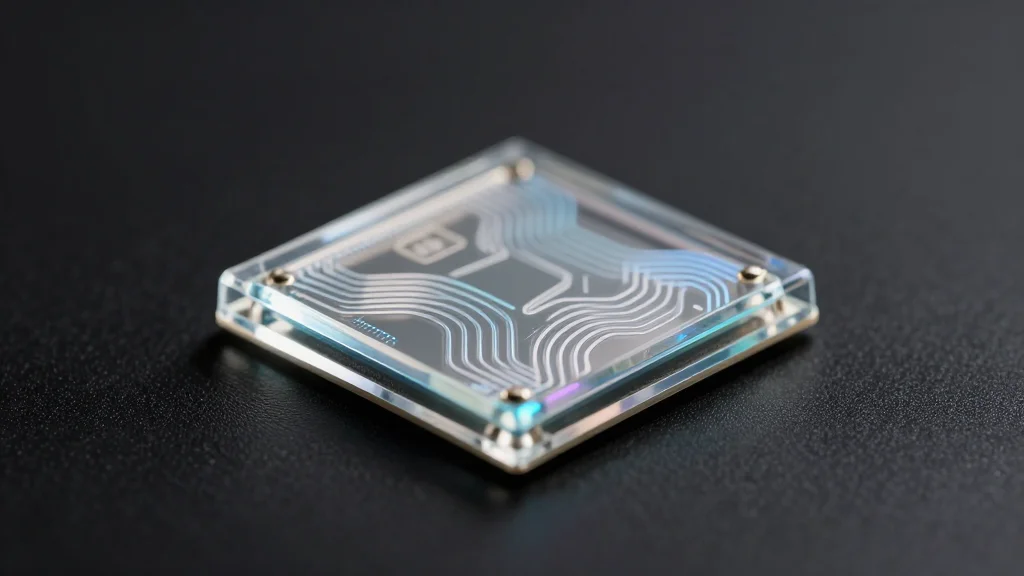
The need for true randomness has moved from a theoretical concern to a practical bottleneck as data centers scale AI models and enterprises adopt hybrid post‑quantum cryptography. Traditional electronic noise generators can drift with temperature or aging, jeopardizing key generation and digital signatures. Photonic quantum random number generators, like Quside’s Ruby N1, harness the inherent unpredictability of photon emission, allowing real‑time verification of entropy sources. This physical assurance reduces the attack surface for sophisticated adversaries and meets emerging standards such as NIST SP800‑90B.
AI workloads amplify cryptographic traffic: each model training run, inference request, and autonomous agent interaction requires secure session keys and digital certificates. Simultaneously, organizations are running classical and post‑quantum algorithms in parallel, multiplying key‑generation cycles. Quside’s hardware‑centric entropy solution addresses both pressures by delivering fast, scalable randomness that integrates directly into hardware security modules and network appliances. Early adopters in defense, satellite communications, and high‑performance computing report lower latency and higher confidence in their security chains, validating the business case for premium‑grade QRNGs.
Spain’s deep‑tech strategy, anchored by ICFO’s Launchpad program, demonstrates a replicable pathway for turning quantum research into market‑ready products. By providing not only IP licensing but also hands‑on engineering support, venture funding, and standards engagement, ICFO de‑risked the transition from lab bench to silicon wafer. The success of Quside signals to European policymakers that coordinated research clusters can compete globally, attracting foreign customers and fostering a domestic supply chain for quantum‑grade security hardware. As the AI era matures, such ecosystems will be essential for sustaining innovation and securing the digital infrastructure of tomorrow.
How Spain’s ICFO Helped Build a Quantum Security Startup for the AI Era
Comments
Want to join the conversation?
Loading comments...