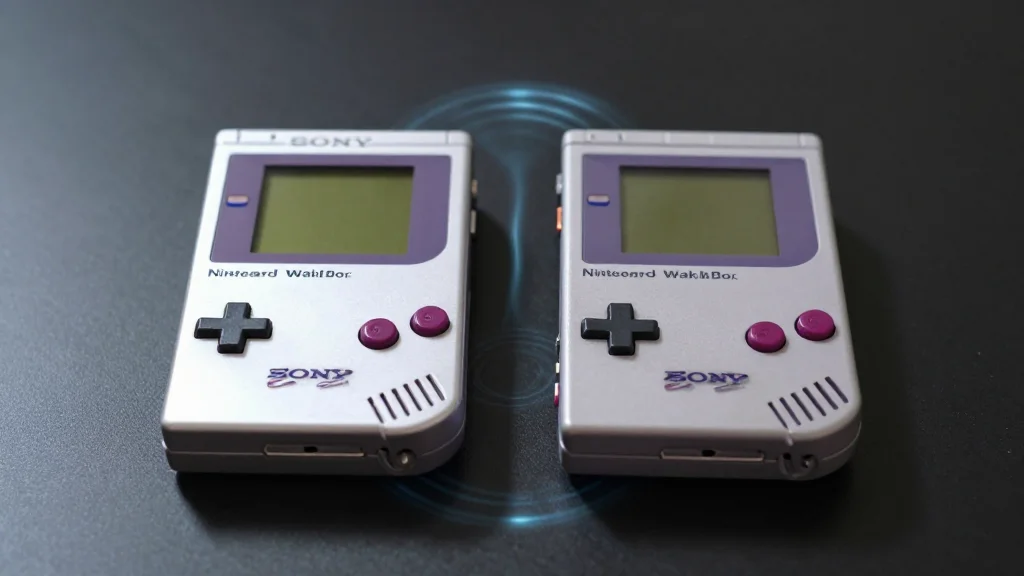
How the Walkman, Game Boy, Liquid Death, and Pokémon Became Surprise Hits
Why It Matters
Understanding that ease, constraints, and user‑driven insights can outpace feature‑heavy development reshapes how companies innovate and capture new markets, directly impacting growth and competitive advantage.
Key Takeaways
- •Simpler, cheaper tech often outsells feature‑heavy rivals
- •Consumers choose products that solve real jobs, not specs
- •Constraints can spark creative, market‑creating solutions
- •Listening to unexpected user behavior fuels new revenue streams
- •Data informs present, but intuition drives future breakthroughs
Pulse Analysis
Innovation does not always require the latest silicon or the most elaborate feature set. Japanese product strategy, exemplified by the Walkman and Game Boy, demonstrates that leveraging older, inexpensive components can reduce price, extend battery life, and improve durability—attributes that resonate with consumers seeking convenience over cutting‑edge performance. This “withered technology” approach aligns with the jobs‑to‑be‑done framework, where the primary goal is to make a task easier, not to showcase technical superiority. Companies that internalize this mindset can unlock hidden demand and achieve scale without the cost penalties of constant hardware upgrades.
The same principle translates to modern digital platforms. TikTok’s evolution from a karaoke app to a short‑form video powerhouse illustrates how observing organic user behavior can reveal untapped market segments. By re‑engineering its algorithm to surface content that users naturally gravitated toward, ByteDance turned a niche product into a $200 billion valuation. Similarly, Liquid Death’s branding of canned water as a rebellious lifestyle product shows that solving an identity‑based job can create demand where traditional market research predicts none. These cases underscore the strategic advantage of treating customers as free R&D partners, allowing firms to iterate quickly based on real‑world usage patterns.
Balancing data with intuition is essential for sustainable innovation. While analytics excel at describing current preferences, they often miss the latent needs that give rise to breakthrough products. The story of Slack, born from an internal tool for a failed game, highlights how gut‑level confidence can convert an internal solution into a multibillion‑dollar enterprise. Leaders should therefore use data to validate present performance but rely on experiential insight to anticipate future opportunities, turning constraints into catalysts for market‑creating breakthroughs.
How the Walkman, Game Boy, Liquid Death, and Pokémon Became Surprise Hits
Comments
Want to join the conversation?
Loading comments...