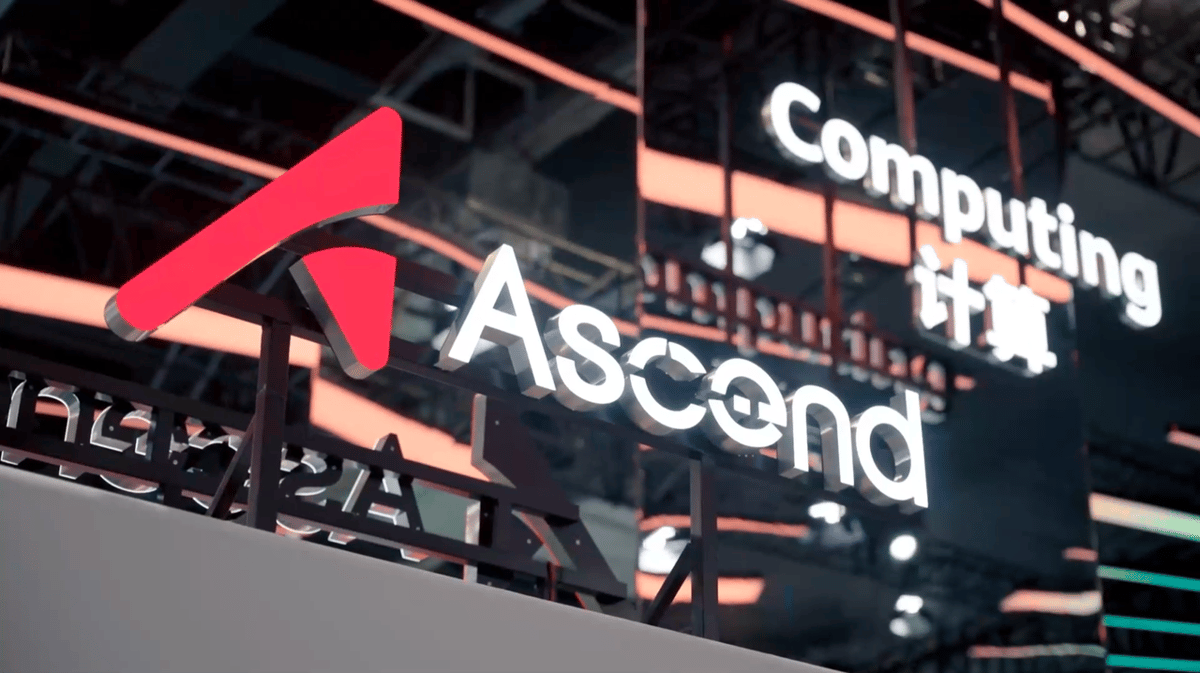
Huawei Braces for $12 Billion in AI Chip Revenue Driven by Homegrown AI Model Demand — Chinese Fabs Can Barely Keep up as Nvidia's Market Share Craters Within the Region
Why It Matters
Huawei’s rapid ascend positions it as the dominant AI‑chip supplier in China, reshaping the global hardware balance as Nvidia loses access to the world’s largest AI market.
Key Takeaways
- •Huawei targets $12 B AI chip revenue by 2026.
- •DeepSeek V4 LLM drives rapid Ascend 950PR demand.
- •SMIC's 7 nm N+3 process limits supply, eight‑month cycle.
- •Nvidia's China AI accelerator share fell to near zero.
- •Huawei's CloudMatrix 384 delivers ~300 PFLOPS with high power draw.
Pulse Analysis
Huawei’s aggressive push into AI silicon reflects a broader strategic pivot for Chinese tech. By aligning its Ascend 950PR with DeepSeek’s V4 LLM, the company has captured a wave of domestic demand that previously flowed to Nvidia’s GPUs. The partnership not only accelerated procurement timelines for Alibaba and Tencent but also highlighted the importance of software‑hardware co‑design, with Huawei’s CANN ecosystem gaining traction among millions of developers. This momentum is fueling a projected $12 billion revenue stream by 2026, underscoring the scale of China’s homegrown AI market, which Morgan Stanley estimates could reach $67 billion by 2030.
Supply, however, remains a critical bottleneck. SMIC’s N+3 7 nm‑class node, built without EUV lithography, can produce roughly 750,000 Ascend 950PR units this year, yet the eight‑month wafer‑to‑chip cycle lags far behind TSMC’s three‑month turnaround. Yield challenges and limited advanced‑node capacity mean Huawei must double‑down on dedicated fabs and partner with CXMT for in‑house HBM, but scaling those technologies will take years. The current capacity gap forces Chinese cloud providers to stretch existing hardware, potentially inflating costs and limiting the pace of new AI service rollouts.
Nvidia’s abrupt exit from China’s data‑center market reshapes the competitive landscape. With U.S. export controls stalling H200 shipments and domestic policy urging self‑reliance, Nvidia’s market share has plummeted from roughly two‑thirds to single‑digit levels. This vacuum accelerates the rise of domestic alternatives like Huawei’s Ascend and boosts government‑backed semiconductor initiatives. For global AI hardware players, the shift signals a need to diversify supply chains and consider partnerships that can navigate geopolitical constraints while meeting the burgeoning demand for AI compute across the world’s largest market.
Huawei braces for $12 billion in AI chip revenue driven by homegrown AI model demand — Chinese fabs can barely keep up as Nvidia's market share craters within the region
Comments
Want to join the conversation?
Loading comments...