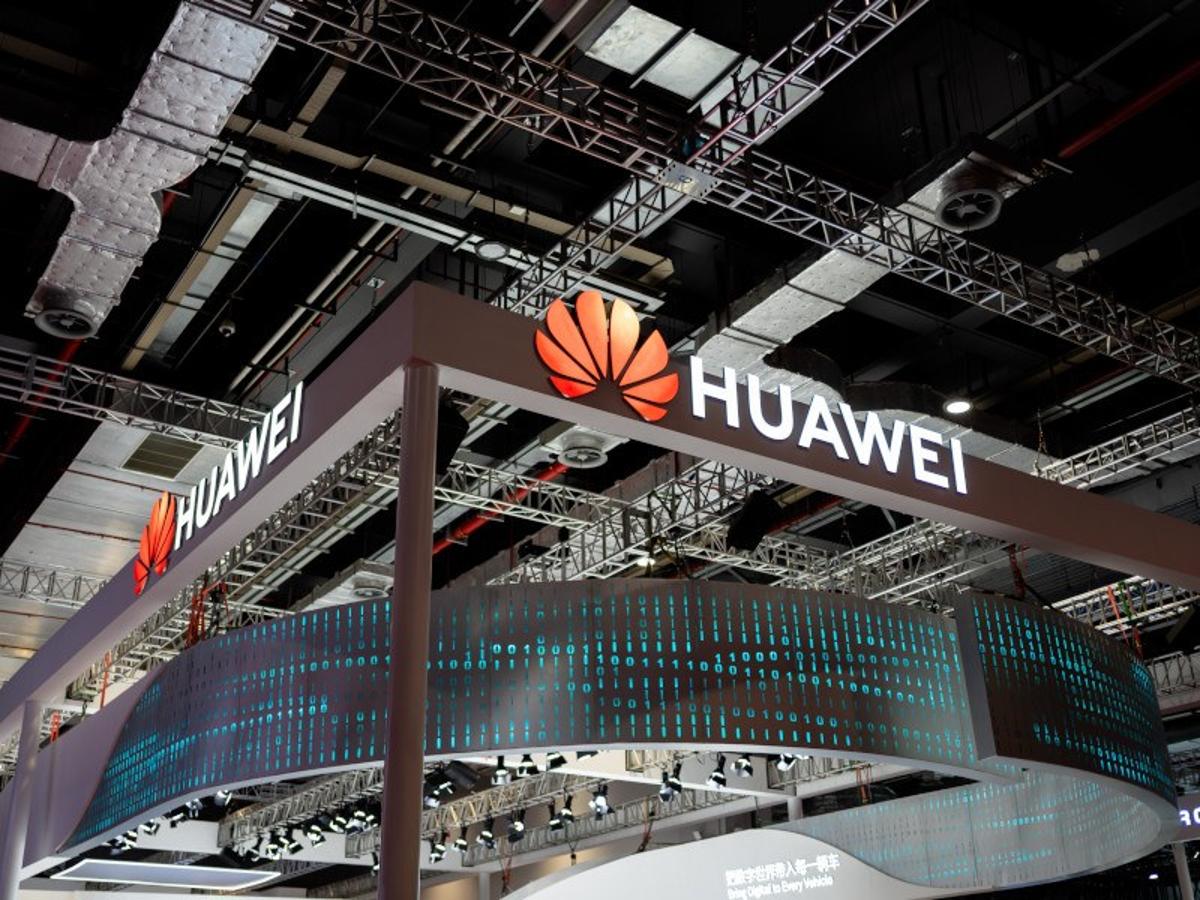
Huawei Proposes New Path for Chips as Moore’s Law Runs Out of Road
Companies Mentioned
Why It Matters
If validated, Huawei’s time‑scaling strategy could reshape semiconductor competition, mitigating the impact of US export restrictions and extending Moore‑law‑era performance gains.
Key Takeaways
- •Huawei introduces Tau Scaling Law, focusing on time scaling over size
- •LogicFolding reduces signal path, boosting density without advanced lithography
- •Targeting 1.4nm equivalent performance by 2031, three years after TSMC
- •381 chips already produced; Kirin 2026 will use LogicFolding
- •Nvidia says it has largely conceded China’s AI chip market to Huawei
Pulse Analysis
The semiconductor industry has long relied on Moore's Law, shrinking transistor dimensions to drive performance gains. As physical limits loom, Huawei’s Tau Scaling Law reframes the challenge by targeting signal propagation time rather than sheer size. By prioritizing faster interconnects and reduced critical‑path delays, the new paradigm promises continued density improvements without the costly, high‑precision equipment traditionally required for sub‑5 nm nodes.
At the heart of this strategy is LogicFolding, a design methodology that re‑architects circuit layouts to collapse wiring lengths and lower capacitive loads. Coupled with SMIC’s manufacturing capabilities, Huawei asserts it can emulate a 1.4 nm node by 2031—three years after TSMC’s scheduled rollout—while sidestepping the advanced lithography tools blocked by U.S. sanctions. The company cites 381 chips already in production under this framework, and the upcoming Kirin processors will be the first commercial products to showcase LogicFolding’s benefits.
Strategically, the move signals a potential shift in global chip power dynamics. By reducing dependence on foreign equipment, Huawei aims to close the technology gap with industry leaders and secure a dominant position in China’s AI chip market, a claim echoed by Nvidia’s CEO. If the performance targets materialize, the approach could inspire other firms to explore time‑centric scaling, reshaping investment priorities and competitive strategies across the semiconductor ecosystem.
Huawei proposes new path for chips as Moore’s Law runs out of road
Comments
Want to join the conversation?
Loading comments...