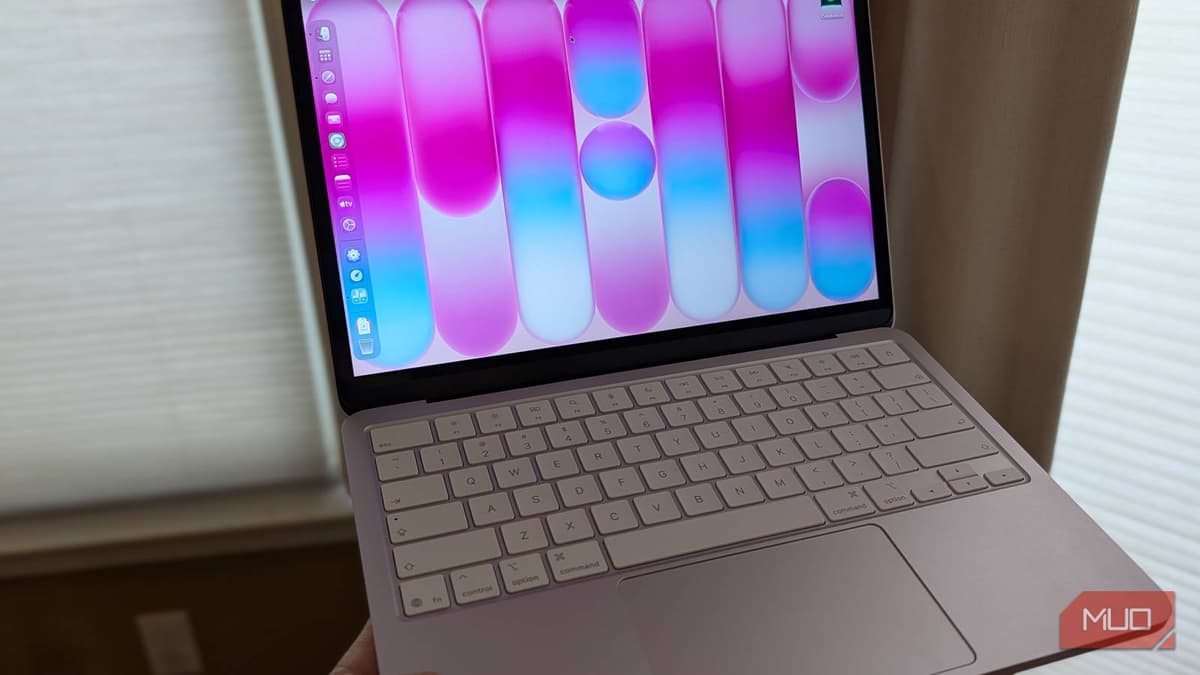
I Had Low Expectations for Apple's $499 Laptop, Then I Ran the Benchmarks
Companies Mentioned
Why It Matters
The Neo shows that Apple can deliver flagship‑level single‑core performance at a sub‑$500 price, reshaping the budget laptop market and pressuring competitors to rethink cost‑vs‑performance trade‑offs.
Key Takeaways
- •MacBook Neo (A18 Pro) scores 3,477 single‑core, beating M3 Max
- •Single‑core strength stems from iPhone‑optimized burst performance
- •8 GB RAM and no backlit keyboard are cost‑saving trade‑offs
- •Workarounds like Safari, tap‑to‑click, and bright screen mitigate limitations
Pulse Analysis
Apple’s decision to repurpose the A18 Pro, an iPhone‑class SoC, for the MacBook Neo marks a strategic shift in the budget laptop segment. By leveraging a chip designed for instantaneous, high‑frequency tasks, Apple delivers single‑core performance that rivals premium devices while keeping the price under $500. This approach undercuts traditional Windows ultrabooks that rely on larger, power‑hungry CPUs, forcing the market to consider whether raw clock speed or optimized burst capability offers more value to everyday users.
The A18 Pro’s architecture prioritizes short, intensive workloads, which explains its Geekbench 6 single‑core lead over the M3 Max. Unlike laptop CPUs that balance thermals and sustained power, the A18 Pro can push peak frequencies for a few seconds without throttling, making app launches, web browsing, and AI‑assisted tasks feel snappy. Multi‑core scores remain lower, reflecting the chip’s eight‑core design versus the M3 Max’s 16 cores, but the Neo still outperforms many Windows alternatives, such as Lenovo’s Core Ultra 9‑based Yoga Pro 7, highlighting Apple’s efficiency advantage.
For professionals and students with modest computing needs, the Neo’s limitations—8 GB RAM, no backlit keyboard, and a clicky mechanical trackpad—are mitigated through simple tweaks: using Safari instead of Chrome, enabling tap‑to‑click, and relying on the bright 500‑nit display for keyboard illumination. These workarounds preserve the device’s low cost while delivering a user experience that feels premium for short‑burst tasks. As AI‑driven web apps become commonplace, the Neo’s performance profile aligns well with future productivity trends, positioning it as a disruptive force in the entry‑level laptop market.
I had low expectations for Apple's $499 laptop, then I ran the benchmarks
Comments
Want to join the conversation?
Loading comments...