I Turned a $80 RK3562 Android Tablet Into a Debian Linux Workstation

Companies Mentioned
Why It Matters
Enabling a cheap ARM tablet to run a desktop‑grade Linux distro and perform on‑device AI inference lowers the barrier for edge computing and expands the developer ecosystem beyond traditional single‑board computers.
Key Takeaways
- •Debian 12 runs from SD card on Doogee U10 without unlocking bootloader
- •Full hardware support includes Wi‑Fi, Bluetooth, touchscreen, audio, and NPU
- •Local LLM inference on RK3562 NPU achieves 57 tok/s with Qwen3‑0.6B
- •Build system uses open‑source Firefly RK3562 repos and AI‑assisted code generation
- •Image size can be minimized to under 4 GB for easy distribution
Pulse Analysis
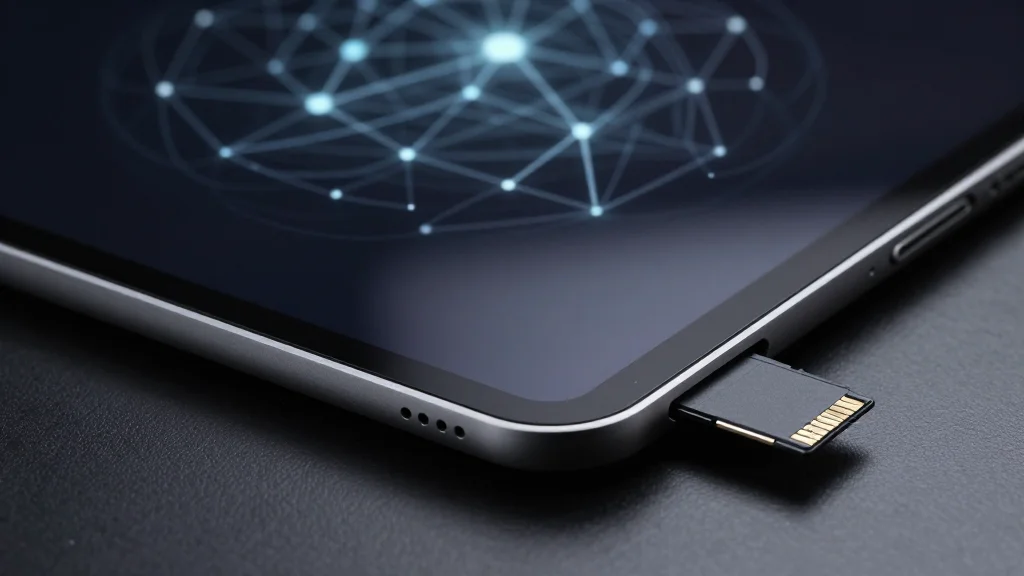
The Doogee U10, a budget 10‑inch tablet powered by Rockchip’s RK3562 SoC, has traditionally been locked into Android, limiting its appeal to developers who need a flexible Linux environment. By delivering a complete Debian 12 image that boots directly from an SD card, the rkdebian project sidesteps the need for bootloader unlocking—a process that often voids warranties and requires deep hardware knowledge. This approach mirrors the convenience of Raspberry Pi deployments while leveraging the tablet’s integrated peripherals, turning a $80 consumer device into a portable workstation for developers, hobbyists, and field engineers.
Technical depth sets rkdebian apart. The build harness pulls from the Firefly‑rk‑linux open‑source tree and incorporates AI‑assisted code generation tools such as Claude, Codex, and Google Gemini to reverse‑engineer missing BSP components. The resulting system supports the tablet’s Wi‑Fi, Bluetooth, touchscreen, audio, cameras, and the on‑chip NPU. Local large‑language‑model inference runs through Rockchip’s RKLLM stack, with the Qwen3‑0.6B model achieving roughly 57 tokens per second—sufficient for real‑time edge AI tasks like summarization or command parsing. Benchmarks also demonstrate viable performance for larger 1.5‑billion‑parameter models, albeit at slower token rates.
The broader impact lies in democratizing edge AI. Developers can now prototype AI‑enabled applications on a device that fits in a pocket and costs less than a high‑end smartphone. The ability to flash updates over‑the‑air, customize GPU stacks (Mali or Panfrost), and shrink the image below 4 GB further streamlines deployment in constrained environments such as remote monitoring, education labs, or rapid prototyping labs. As open‑source communities continue to refine rkdebian, the line between consumer tablets and development platforms blurs, promising a new wave of affordable, on‑device intelligence.
I turned a $80 RK3562 Android tablet into a Debian Linux workstation
Comments
Want to join the conversation?
Loading comments...