I Turned on Google Home's Camera Automation and Ditched My Motion Sensors
Companies Mentioned
Why It Matters
By turning cameras into dual‑purpose security and automation tools, homeowners cut maintenance costs and simplify device ecosystems, a move that could reshape smart‑home hardware strategies industry‑wide.
Key Takeaways
- •Google Home now uses camera “Starters” as presence detectors
- •Eliminates battery‑powered motion sensors, reducing maintenance
- •Cloud processing adds slight latency versus local Zigbee/Z‑Wave
- •Privacy concerns persist; limit cameras to shared spaces
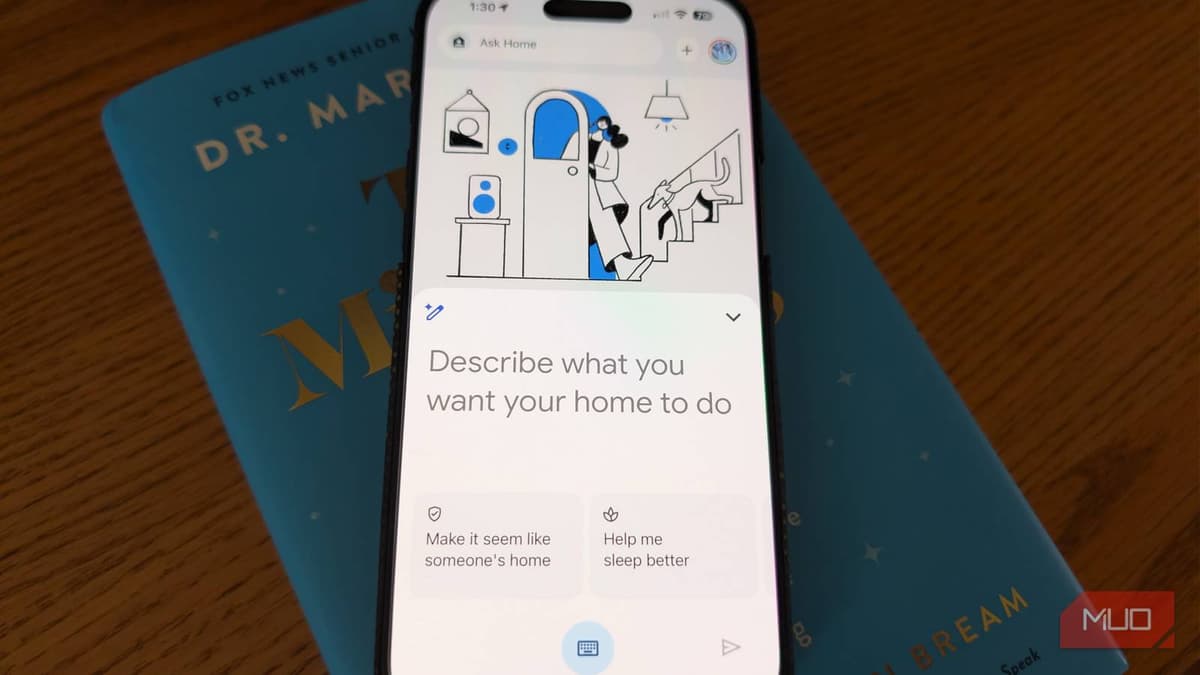
- •Automation can be built via visual editor or AI “Help Me Create.”
Pulse Analysis
The smart‑home market is reaching a tipping point where redundancy becomes a liability. Google Home’s new automation framework leverages existing wired cameras as presence sensors, allowing users to retire dozens of battery‑driven motion detectors. This consolidation not only declutters living spaces but also cuts recurring costs associated with battery replacement and sensor upkeep. By integrating camera feeds directly into the automation engine, homeowners gain a unified control plane that can trigger lights, plugs, and thermostats the moment a human is detected, delivering a smoother, more intuitive experience.
Technically, the shift hinges on cloud‑based AI that analyzes video frames in real time to confirm human presence before sending a command back to the home hub. While this adds a fraction of a second of latency compared to local Zigbee or Z‑Wave sensors, most users find the delay negligible for everyday lighting and appliance control. Privacy remains a critical consideration; the author recommends restricting camera‑based automations to shared areas and keeping cameras off in private rooms. The trade‑off between convenience and data exposure is a decision each household must weigh, especially as regulations around video data tighten.
From a market perspective, repurposing cameras for automation could accelerate adoption of wired, power‑over‑Ethernet (PoE) devices and diminish demand for low‑cost, disposable sensors. Manufacturers may respond by bundling higher‑resolution cameras with built‑in AI chips to reduce cloud reliance and latency. For consumers, the key takeaway is to evaluate existing camera infrastructure before investing in additional sensors, and to leverage Google Home’s visual or AI‑assisted automation tools to craft precise, condition‑based routines that enhance comfort without compromising privacy.
I turned on Google Home's camera automation and ditched my motion sensors
Comments
Want to join the conversation?
Loading comments...