Implementing OTA Firmware Updates on MCUs
Why It Matters
OTA updates eliminate costly field servicing and enable continuous security patches for IoT devices, a critical capability as firmware‑driven products scale. The staging + copy approach balances flash usage, reliability, and ease of integration for developers.
Key Takeaways
- •Staging + copy keeps device functional during download
- •External NOR flash accessed via FlexSPI ROM API ensures safe programming
- •Bootloader can resume or retry copy after power loss
- •Metadata redundancy protects against interrupted writes and rollback
- •Mongoose OTA example provides ready‑to‑run code for RW612
Pulse Analysis
Over‑the‑air firmware updates have become a baseline requirement for modern IoT products, allowing manufacturers to push bug fixes, security patches, and new features without physical access. Among the various OTA strategies, the staging + copy pattern stands out for its simplicity and resilience. By allocating a dedicated flash region for the incoming image, the device continues running its current firmware while the download proceeds, and a verification step ensures only a complete, authentic image replaces the old one. This approach mitigates the risk of bricking devices during power interruptions and fits well within the memory constraints of many microcontrollers.
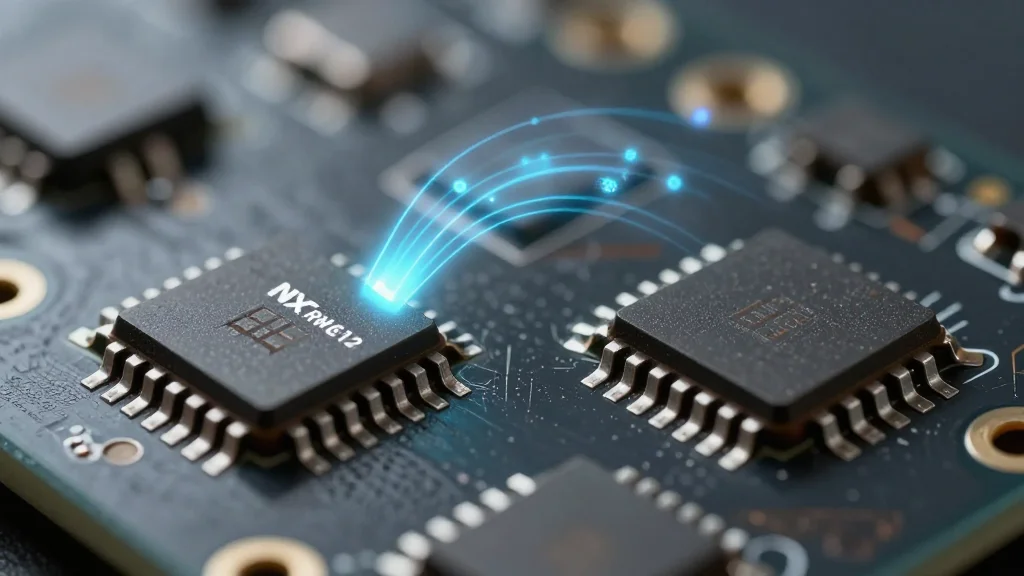
The NXP RW612 exemplifies how hardware architecture influences OTA design. The MCU lacks internal application flash, relying instead on external serial NOR flash accessed through the FlexSPI interface. NXP’s ROM‑resident FlexSPI API provides low‑level erase and program primitives that execute from internal ROM, guaranteeing reliable operation even while the external flash is being rewritten. A minimal bootloader can invoke this API to copy the staged image into the active slot, update metadata, and then hand control to the new firmware. By storing update state in a redundant metadata area, the system can recover from power loss during the final copy, either by resuming the operation or rolling back to the known‑good image.
For developers seeking a turnkey solution, the Mongoose OTA example for the FRDM‑RW612 board delivers a ready‑to‑run implementation of the staging + copy flow. The code streams incoming firmware directly to flash, avoiding large RAM buffers, and incorporates CRC verification and optional signature checks for security. By following the demonstrated metadata scheme and power‑loss handling tricks, teams can accelerate productization while maintaining robust update integrity. As OTA becomes a differentiator in competitive IoT markets, leveraging proven patterns and vendor‑provided ROM APIs shortens time‑to‑market and enhances long‑term device reliability.
Implementing OTA Firmware Updates on MCUs
Comments
Want to join the conversation?
Loading comments...