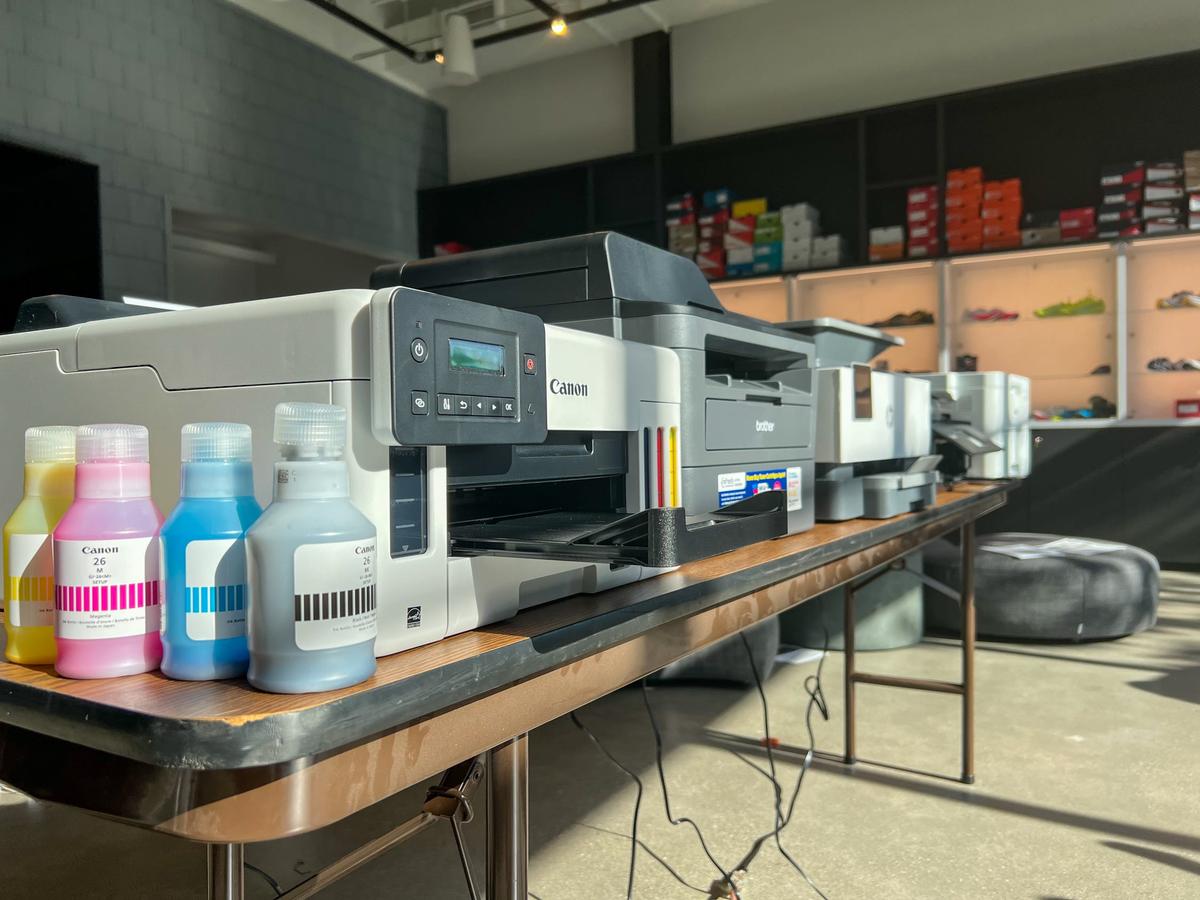
Inkjet Vs. Laser Printers: Which Is Sharpest, Fastest, and Most Functional For The Price
•March 6, 2026
0
Why It Matters
Choosing the right printer directly impacts operating costs, workflow efficiency, and output quality for home offices and small businesses, making the trade‑off between inkjet and laser critical for budgeting and productivity.
Key Takeaways
- •HP OfficeJet 9015e tops overall inkjet performance
- •LaserJet 3101SDW offers fastest text‑heavy printing
- •Canon Pixma excels at premium photo output
- •Epson EcoTank balances capacity with refillable ink
- •Color laser provides sharp graphics but higher toner cost
Pulse Analysis
Inkjet versus laser printers remains a pivotal decision for anyone who prints regularly, yet the market has evolved beyond the simple price‑vs‑quality dichotomy. Modern inkjets, exemplified by HP’s OfficeJet Pro 9015e and Canon’s Pixma TR8620a, incorporate high‑resolution printheads, large touchscreens, and cloud‑ready connectivity, delivering vibrant photo reproductions that rival dedicated photo labs. However, their consumable costs stay higher, with average cartridge prices hovering around $35 and frequent replacements for heavy users. For households that value occasional photo printing and flexible media handling, these inkjets provide the best blend of versatility and visual fidelity.
Conversely, laser printers such as HP’s LaserJet Pro MFP 3101SDW and Color LaserJet Pro MFP 3301FDW prioritize speed, durability, and low cost per page, making them ideal for document‑intensive environments. A typical laser unit can sustain 35 pages per minute and produce text with razor‑sharp edges, while toner cartridges—though pricier upfront—often exceed 3,000 pages, driving down long‑term expenses. The trade‑off lies in limited color gamut and less nuanced gradients, which can be a drawback for design‑focused tasks but negligible for contracts, reports, and bulk mailing.
The broader implication for businesses is a shift toward hybrid fleets: a high‑volume laser for everyday paperwork paired with a specialized inkjet for marketing collateral and client‑facing visuals. Decision‑makers should assess average monthly page counts, required media types, and total cost of ownership—including energy use and maintenance contracts—before committing. As remote work persists and on‑demand printing grows, aligning printer capabilities with specific workflow demands will safeguard budgets while ensuring professional‑grade output.
Inkjet Vs. Laser Printers: Which Is Sharpest, Fastest, and Most Functional For The Price
0
Comments
Want to join the conversation?
Loading comments...