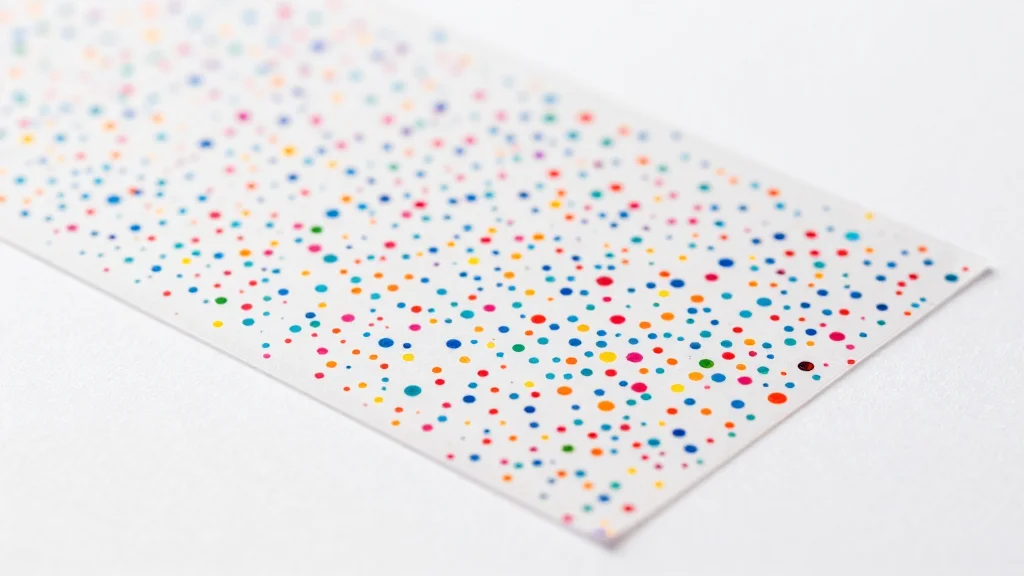
Inkjet‐Printed Physical Unclonable Functions For Secure Authentication
Why It Matters
The technology provides a scalable, inexpensive anti‑counterfeiting layer, reducing dependence on costly chips or RFID tags and strengthening product integrity across multiple industries.
Key Takeaways
- •Inkjet printing creates random, unclonable optical patterns.
- •Low‑cost imaging reads PUFs using contour extraction.
- •Encapsulation protects tags from mechanical and chemical damage.
- •System works with consumer‑grade devices for fast verification.
- •Suitable for supply‑chain security and luxury goods authentication.
Pulse Analysis
Counterfeiting threatens global trade, prompting a shift toward security primitives that are both robust and economical. Physical unclonable functions (PUFs) have emerged as a compelling answer because they derive uniqueness from manufacturing randomness rather than stored secrets. Traditional PUF implementations often rely on silicon chips or specialized polymers, driving up costs and limiting deployment to high‑value items. Inkjet printing, by contrast, leverages a ubiquitous, low‑cost manufacturing process, turning everyday substrates like paper into a canvas for cryptographic identifiers.
The core of the new approach lies in the stochastic nature of ink droplet deposition. As droplets land on the substrate, minute variations in size, placement, and coalescence produce a complex, non‑reproducible pattern. An optical reader—potentially a smartphone camera—captures the pattern, and advanced contour‑feature extraction algorithms translate it into a binary fingerprint with high bit uniformity, reliability, and uniqueness. Researchers further encapsulated the printed tags with a thin protective layer, ensuring that mechanical bending, abrasion, or exposure to chemicals does not degrade the optical signature. Laboratory tests demonstrated consistent authentication performance after repeated stress cycles, confirming suitability for real‑world logistics.
From a market perspective, this inkjet‑printed PUF offers a disruptive value proposition. Production costs are measured in pennies per tag, and the required readout hardware already exists in consumer devices, eliminating the need for dedicated scanners. Industries ranging from luxury fashion to pharmaceuticals can embed these tags directly into packaging, enabling rapid, on‑the‑spot verification throughout the supply chain. As the ecosystem matures, integration with blockchain‑based provenance platforms could further enhance traceability, positioning inkjet‑printed PUFs as a cornerstone of next‑generation anti‑counterfeiting strategies.
Inkjet‐Printed Physical Unclonable Functions For Secure Authentication
Comments
Want to join the conversation?
Loading comments...