Innatera Selects Synopsys for Neuromorphic Chip Design
•March 4, 2026
0
Why It Matters
The collaboration accelerates reliable, ultra‑low‑power AI at the sensor edge, a critical enabler for the expanding edge‑computing market.
Key Takeaways
- •Innatera partners with Synopsys for neuromorphic chip validation
- •PathFinder‑SC simulates ESD events across mixed‑signal designs
- •Totem ensures transistor‑level power integrity for AI workloads
- •Pulsar delivers 100× lower latency, 500× energy savings
- •Neuromorphic microcontrollers target edge AI in wearables, robotics
Pulse Analysis
Neuromorphic computing is emerging as a cornerstone of edge AI, where power budgets are tight and latency is paramount. By mimicking biological spiking neurons, these chips process data only when events occur, dramatically reducing unnecessary computation. Innatera’s decision to work with Synopsys reflects a broader industry shift toward specialized design flows that can handle the analog‑digital hybrid nature of spiking neural networks, positioning the company to meet rising demand from sensor‑rich applications such as robotics and smart‑home ecosystems.
Synopsys’ PathFinder‑SC and Totem tools address two of the most challenging reliability concerns in neuromorphic chips: electrostatic discharge and power‑integrity. PathFinder‑SC offers high‑fidelity ESD simulations that uncover vulnerabilities early in the design cycle, while Totem provides transistor‑level analysis of voltage droop and noise coupling. Together, they enable designers to validate performance under real‑world conditions without sacrificing the ultra‑low‑power benefits of mixed‑signal architectures, thereby shortening time‑to‑market and reducing costly silicon re‑spins.
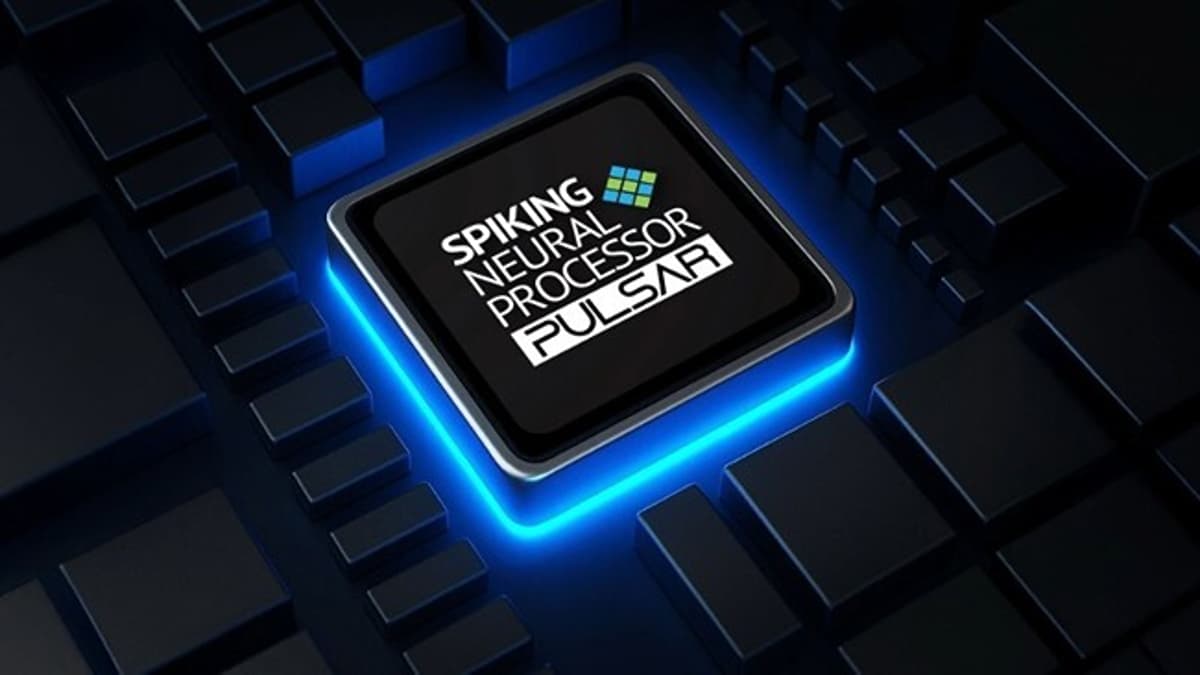
The validated Pulsar microcontroller showcases the tangible benefits of this approach, delivering latency reductions up to 100 times and energy savings of 500 times compared with conventional AI processors. Such gains translate into longer battery life for wearables, faster response times for industrial sensors, and more responsive robotics. As edge devices proliferate, the ability to embed brain‑inspired intelligence reliably and efficiently will become a decisive competitive advantage, making Innatera’s Synopsys partnership a strategic move for the next wave of AI‑enabled hardware.
Innatera selects Synopsys for neuromorphic chip design
0
Comments
Want to join the conversation?
Loading comments...