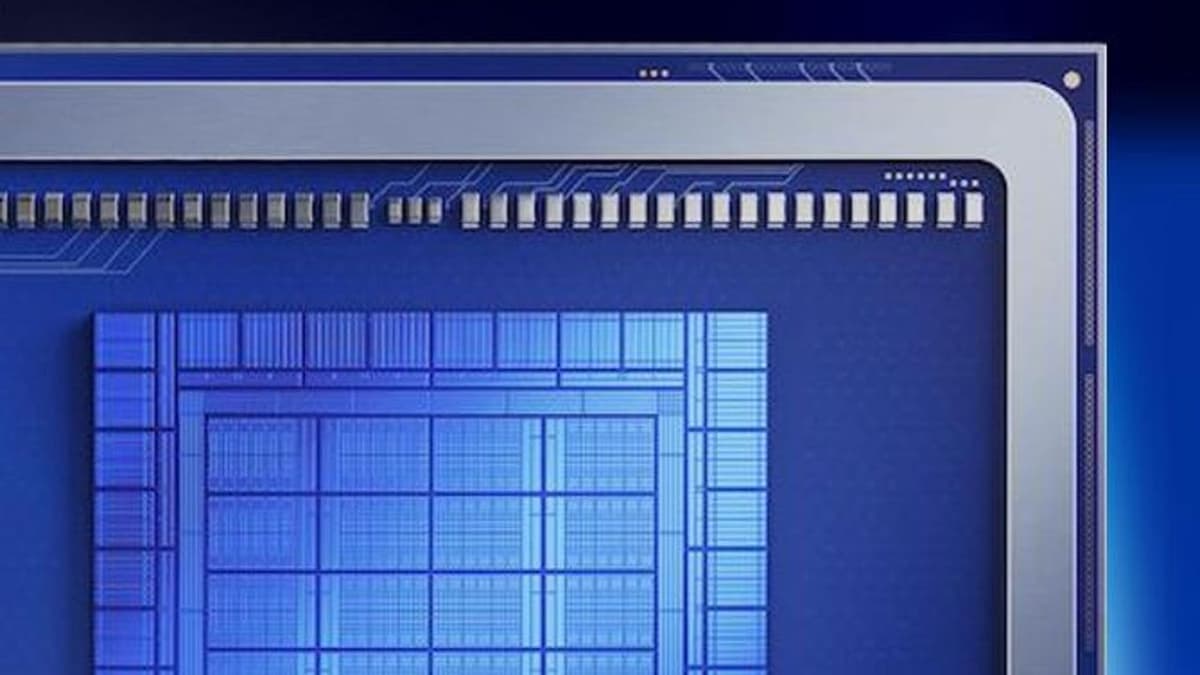
Intel Details Long-Awaited Crescent Island AI GPU at Computex, Boasts up to 480 GB of LPDDR5X to Combat Memory Shortages — Company Shares More Details of Its Xe3P Inference Accelerator at Computex
Companies Mentioned
Why It Matters
By offering massive, low‑cost memory capacity without HBM, Crescent Island could alleviate data‑center memory bottlenecks and give Intel a competitive edge in AI inference hardware. Its open software stack may attract enterprises seeking alternatives to CUDA‑dominated ecosystems.
Key Takeaways
- •Crescent Island supports up to 480 GB LPDDR5X memory.
- •350 W power target enables air‑cooled 4U/5U server deployment.
- •Offers 684 GB/s bandwidth via 640‑bit LPDDR5X bus.
- •OneAPI stack provides open, Day 0 ready software ecosystem.
- •Launch slated for H2 2026, targeting AI inference workloads.
Pulse Analysis
The data‑center AI accelerator market is tightening around memory bandwidth and capacity, especially as large language models demand ever‑larger context windows. Intel’s decision to equip Crescent Island with LPDDR5X—rather than the scarce HBM used by Nvidia’s Blackwell series—addresses a growing supply‑chain pinch while keeping die‑area costs low. LPDDR5X modules are already in high‑volume production, allowing Intel to scale memory capacity to 480 GB per card without the expensive packaging constraints of stacked memory. This approach also reduces latency for inference workloads that benefit from keeping tensors close to the compute cores.
From a hardware perspective, the 350 W, air‑cooled design positions Crescent Island as a drop‑in solution for existing 4U and 5U GPU servers. The 640‑bit, 10.7 Gbps LPDDR5X interface yields an estimated 684 GB/s of bandwidth—competitive with mid‑tier GDDR6‑based GPUs while offering far higher capacity. Compared with Nvidia’s RTX Pro 5000 Blackwell, which relies on 48 GB of HBM2e, Intel’s offering can host multiple massive models or ensembles within a single chassis, potentially reducing inter‑node communication overhead and power consumption.
Software readiness will be a decisive factor. Intel’s oneAPI stack promises an open, upstreamed environment that is "Day 0 ready," aiming to lower the barrier for developers accustomed to CUDA or ROCm. While adoption remains a challenge, the combination of abundant memory, modest power draw, and a unified programming model could attract enterprises seeking on‑premise inference solutions that avoid vendor lock‑in. With a slated H2 2026 launch, Crescent Island may reshape the competitive dynamics of AI inference, especially for workloads where memory capacity outweighs raw FLOP counts.
Intel details long-awaited Crescent Island AI GPU at Computex, boasts up to 480 GB of LPDDR5X to combat memory shortages — company shares more details of its Xe3P inference accelerator at Computex
Comments
Want to join the conversation?
Loading comments...