Intel Gains on Report That Google Will Use It to Make Chips
Companies Mentioned
Why It Matters
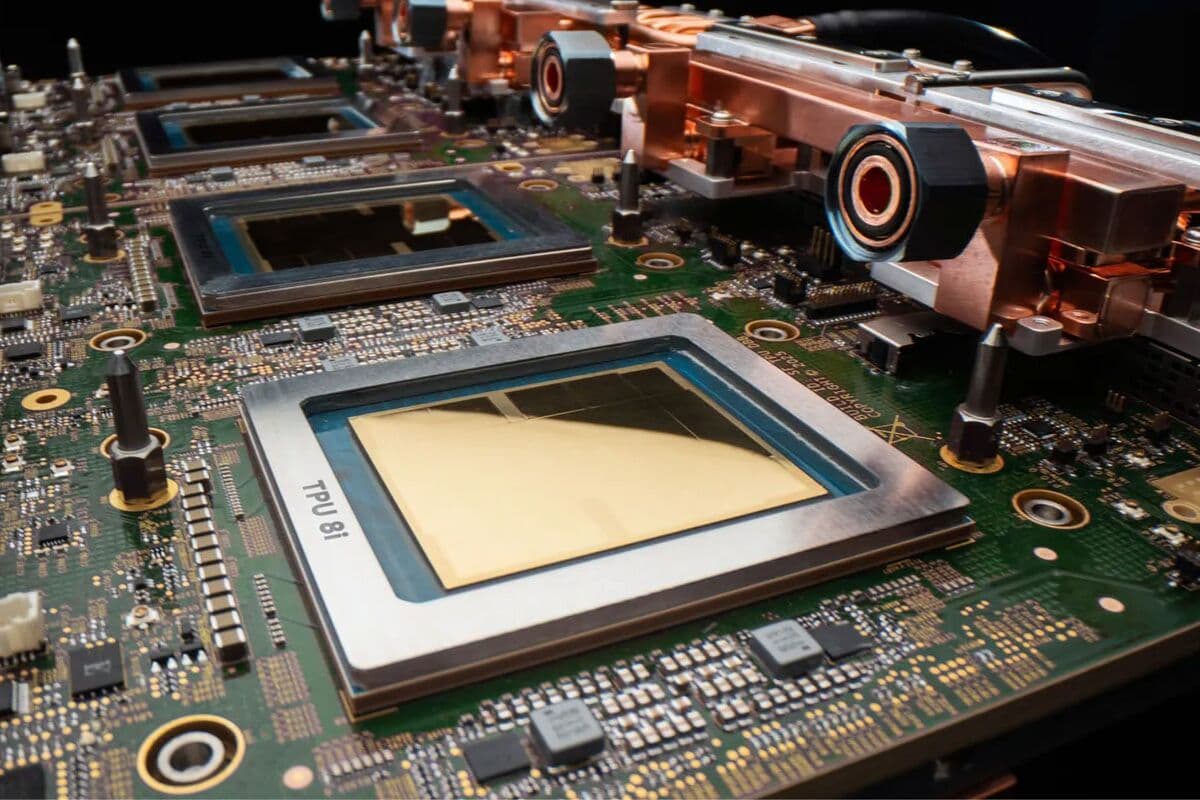
The contract strengthens Intel’s foundry business and diversifies Google’s chip supply, reducing reliance on TSMC amid a global capacity crunch.
Key Takeaways
- •Google orders >3 million AI chips from Intel for 2028
- •Intel wins after extensive testing of its AI‑chip process
- •TSMC capacity strain pushes customers toward alternative foundries
- •Deal bolsters Intel’s revenue outlook in the AI market
Pulse Analysis
The AI boom has turned chip manufacturing into a strategic battlefield, and Google’s latest procurement underscores that reality. By committing more than three million next‑generation tensor processing units to Intel’s fabs, Alphabet signals confidence in Intel’s 7‑nanometer and emerging 5‑nanometer process nodes. The move follows a rigorous validation phase, during which Google evaluated performance, power efficiency, and integration ease, ultimately finding Intel’s platform competitive against its own in‑house silicon and rival offerings.
Intel’s foundry division, long eclipsed by Taiwan Semiconductor Manufacturing Co., is leveraging this win to reshape its market narrative. TSMC’s pipelines are stretched thin by surging orders from hyperscale cloud providers, automotive OEMs, and AI startups, creating a capacity bottleneck that forces customers to seek secondary sources. Intel’s ability to deliver high‑volume, high‑performance AI chips not only diversifies the supply chain but also injects fresh revenue streams into a segment that has struggled to match TSMC’s scale. Analysts now project a modest uplift in Intel’s manufacturing earnings through 2029, driven by similar deals with other AI‑focused firms.
The broader industry impact extends beyond the two companies. As more AI workloads migrate to custom accelerators, the demand for heterogeneous silicon ecosystems will intensify, prompting further investment in advanced packaging, silicon photonics, and chip‑let architectures. Google’s partnership with Intel may accelerate the adoption of Intel’s ecosystem tools, potentially lowering development costs for other enterprises. Meanwhile, TSMC is expected to accelerate its next‑generation node rollouts to alleviate the strain, but the immediate effect is a more competitive foundry market that could benefit end‑users through better pricing, faster time‑to‑market, and increased innovation.
Intel Gains on Report That Google Will Use It to Make Chips
Comments
Want to join the conversation?
Loading comments...