Intel Launches Core Series 3 “Wildcat Lake” Mobile Processors for Low-Cost Laptops
Companies Mentioned
Why It Matters
The launch fills a long‑standing gap in Intel's low‑power lineup, giving OEMs a cost‑effective chip that still leverages the company’s newest architecture. It strengthens Intel’s position in the budget laptop market against AMD’s Ryzen 7000U and Apple’s ARM‑based offerings.
Key Takeaways
- •Wildcat Lake uses Intel 18A process, boosting transistor density.
- •Core Series 3 offers Panther Lake features at lower cost and power.
- •Single memory channel halves bandwidth, limiting max RAM to 48 GB LPDDR5X.
- •GPU lacks DirectX 12 Ultimate and VVC decoding, targeting non‑gaming use.
- •NPU performance drops to 17 TOPS, missing Microsoft Copilot+ requirement.
Pulse Analysis
Intel’s decision to introduce the Core Series 3 "Wildcat Lake" chips marks a strategic pivot toward democratizing its latest silicon. Rather than repackaging legacy Raptor Lake‑U cores, Intel has re‑engineered the Panther Lake architecture for a smaller, cheaper die using the 18A process. This approach preserves high‑IPC Cougar Cove P‑cores and Darkmont LP E‑cores while shedding advanced packaging and excess GPU cores, delivering a product that sits comfortably between premium Ultra chips and the older U‑series. The result is a processor that can power thin‑and‑light laptops at a price point previously reserved for older generations.
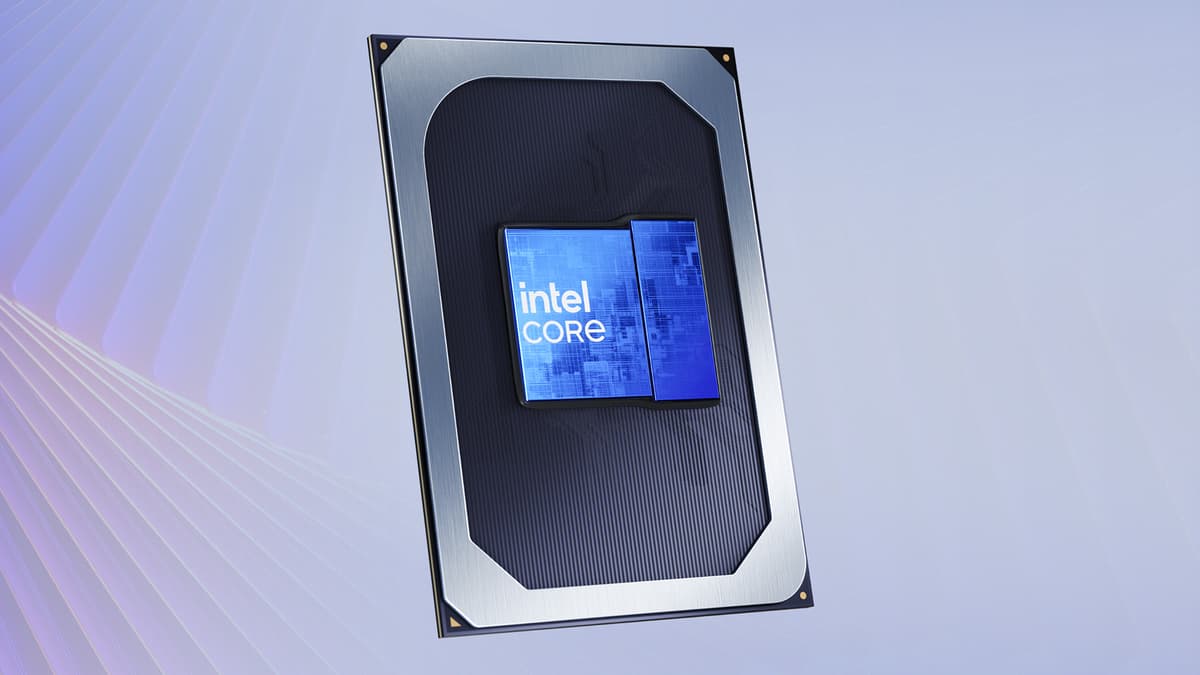
From a technical standpoint, Wildcat Lake’s two‑die configuration—combining a compute‑and‑GPU tile with an external PCH tile—keeps manufacturing costs low while still offering modern features such as Thunderbolt 4, AV1 media support, and Xe3 graphics. However, trade‑offs are evident: a single 64‑bit memory channel cuts bandwidth roughly in half, capping RAM at 48 GB LPDDR5X, and the GPU omits DirectX 12 Ultimate and VVC decoding, signaling a focus on productivity rather than gaming. The NPU’s performance drop to 17 TOPS also means the chip falls short of Microsoft’s Copilot+ threshold, limiting AI‑accelerated workloads.
For the market, Wildcat Lake provides OEMs with a compelling option to refresh budget laptops without incurring the higher costs of full‑blown Ultra chips. This could pressure AMD’s Ryzen 7000U line, which already offers strong efficiency, and challenge Apple’s ARM‑based MacBooks that dominate the premium segment. By delivering contemporary Intel architecture at a lower price, the Core Series 3 may expand the adoption of Windows laptops in price‑sensitive segments, extending Intel’s relevance as the industry moves toward more power‑constrained, AI‑enabled devices.
Intel Launches Core Series 3 “Wildcat Lake” Mobile Processors for Low-Cost Laptops
Comments
Want to join the conversation?
Loading comments...