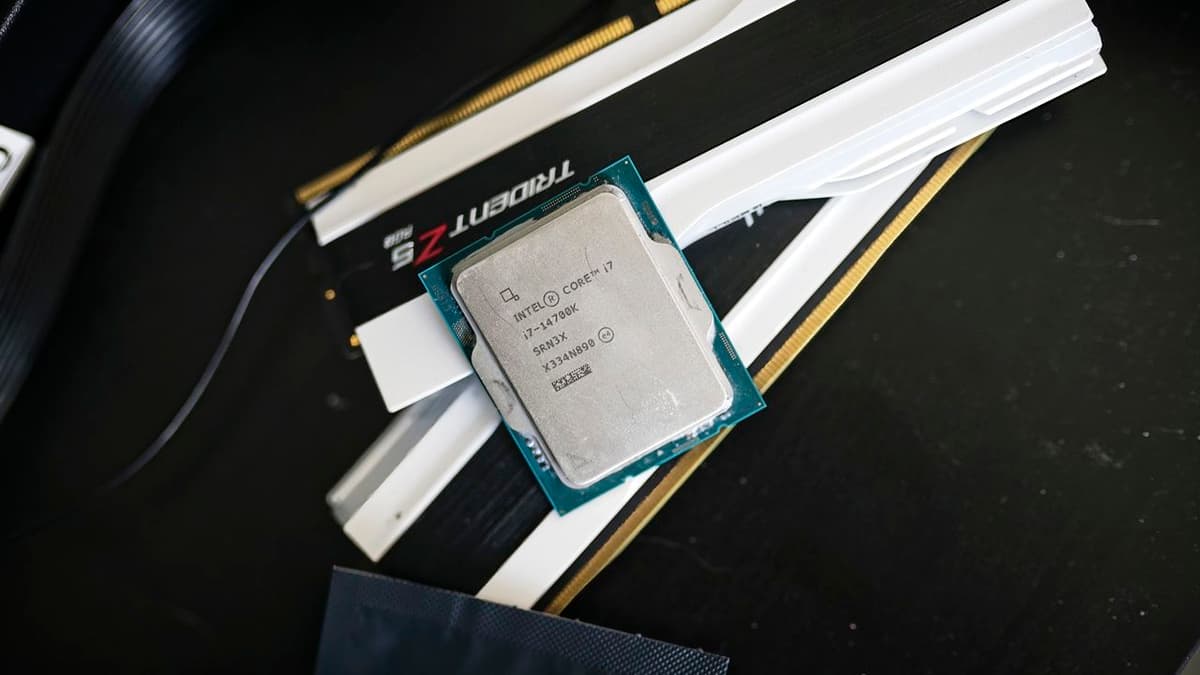
Intel Reportedly Preparing Surprise Return to DDR4 Systems with 'Raptor Lake Next' — LGA 1700 Platform Apparently Slated for First Half of 2027, Takes a Page From AMD's Book by Extending Budget Platform Longevity
Why It Matters
Extending the Raptor Lake family onto DDR4 extends Intel’s mid‑range market reach while offering OEMs a cost‑effective path amid volatile memory prices. The strategy could reshape the competitive dynamics between Intel and AMD in the mainstream desktop segment.
Key Takeaways
- •Intel plans Raptor Lake Next launch in first half of 2027
- •DDR4 motherboard production will increase for LGA 1700 platforms
- •Raptor Lake Next may extend budget platform lifespan like AMD's DDR4 revival
- •Bartlett Lake chips prove Intel still fabricates Raptor Cove wafers
- •Specs remain unknown, but chips could coexist with upcoming Nova Lake CPUs
Pulse Analysis
Intel’s roadmap is once again drawing attention as the company prepares a surprise refresh of its Raptor Lake line, internally labeled “Raptor Lake Next.” Expected in the first half of 2027, the chips will sit alongside the forthcoming Nova Lake processors on the LGA 1700 socket. By confirming a surge in DDR4 motherboard production, Intel signals a willingness to keep the older memory standard alive, a move that could cushion manufacturers against lingering DDR5 price volatility and supply constraints.
The decision aligns with a broader industry trend where legacy platforms are being revitalized to capture price‑sensitive segments. AMD’s recent re‑introduction of the Ryzen 7 5800X3D on DDR4 demonstrated that extending a generation’s lifespan can generate strong sales without a full‑scale architecture overhaul. For Intel, leveraging the existing Raptor Cove silicon pool—evidenced by Bartlett Lake’s P‑core‑only designs—offers a low‑risk path to populate the market with new SKUs, diversify price points, and maintain a competitive edge in the mainstream gaming and productivity arena.
Technical details remain scarce, but the presence of Bartlett Lake chips suggests Intel still has a robust Raptor Cove wafer inventory. If Raptor Lake Next follows a similar core‑count and cache strategy as its predecessors, it could deliver incremental performance gains while benefitting from lower‑cost DDR4 memory. However, the success of the launch will hinge on memory pricing trends and OEM adoption rates. Should DDR4 prices fall sharply, Intel may accelerate production, further entrenching the LGA 1700 platform well beyond its originally projected lifecycle.
Intel reportedly preparing surprise return to DDR4 systems with 'Raptor Lake Next' — LGA 1700 platform apparently slated for first half of 2027, takes a page from AMD's book by extending budget platform longevity
Comments
Want to join the conversation?
Loading comments...