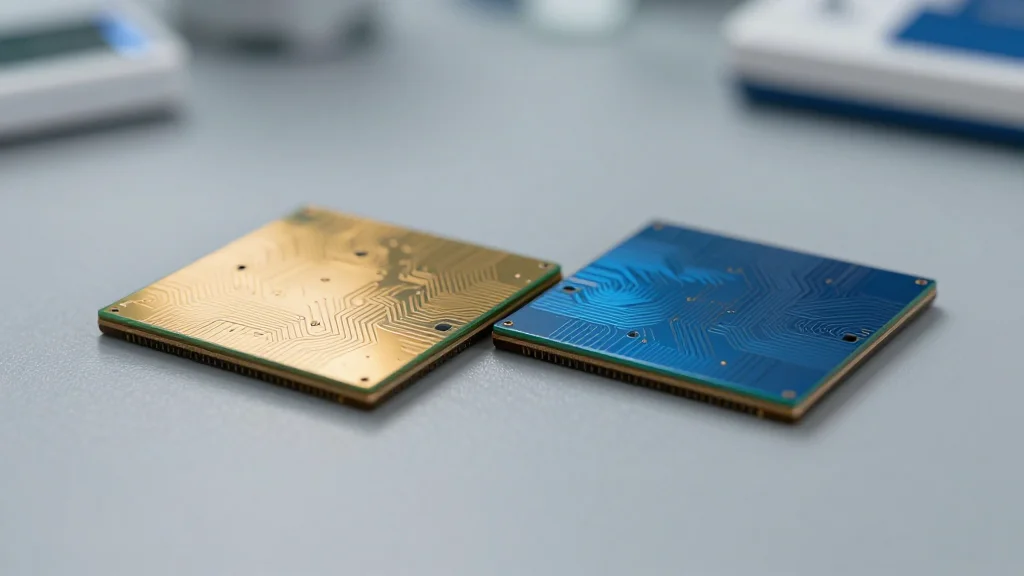
Intel to Make Apple Chips: Report
Why It Matters
Diversifying Apple’s silicon supply reduces reliance on a single fab, mitigating risk from global chip shortages. The deal also expands Intel’s foundry footprint beyond cloud workloads, potentially reshaping the competitive landscape of advanced node manufacturing.
Key Takeaways
- •Intel to produce Apple’s entry‑level M‑series chips on 18A node
- •Apple seeks supply‑chain diversification amid global chip shortages
- •TSMC can refocus on high‑margin AI GPUs and premium products
- •Intel gains its first major consumer‑electronics customer beyond AWS
- •MacBook Neo could become Apple’s first mass‑market laptop
Pulse Analysis
The announcement marks a strategic pivot for both Apple and Intel. Apple’s reliance on TSMC has long been a cornerstone of its silicon strategy, but the relentless demand for advanced nodes and recent supply‑chain disruptions have exposed vulnerabilities. By tapping Intel’s 18A process, Apple can offload lower‑margin, high‑volume products, freeing TSMC to concentrate on AI‑centric GPUs and other premium workloads. This diversification mirrors a broader industry trend where OEMs hedge against fab bottlenecks by engaging multiple foundries.
Intel’s foundry business, launched only a few years ago, has so far counted Amazon Web Services as its sole customer. Securing Apple—a brand synonymous with design excellence and massive volume—could accelerate Intel’s credibility in the consumer market and justify the massive capital outlay required for advanced node development. The partnership also aligns with Intel’s ambition to become a true competitor to TSMC, leveraging its 18A node, which promises improved power efficiency and performance per watt for ARM‑based designs.
For the market, the collaboration signals a potential shift in the balance of power among semiconductor manufacturers. TSMC’s capacity constraints have already prompted rivals like Samsung and GlobalFoundries to court high‑profile clients. If Apple successfully transitions a segment of its product line to Intel, it may trigger a re‑evaluation of fab allocation strategies across the industry, prompting more firms to seek multi‑fab approaches. Investors will watch closely for early silicon samples and production ramp‑up timelines, as these will indicate whether Intel can meet Apple’s stringent performance and yield standards, ultimately shaping the competitive dynamics of the next generation of consumer chips.
Intel to Make Apple Chips: Report
Comments
Want to join the conversation?
Loading comments...