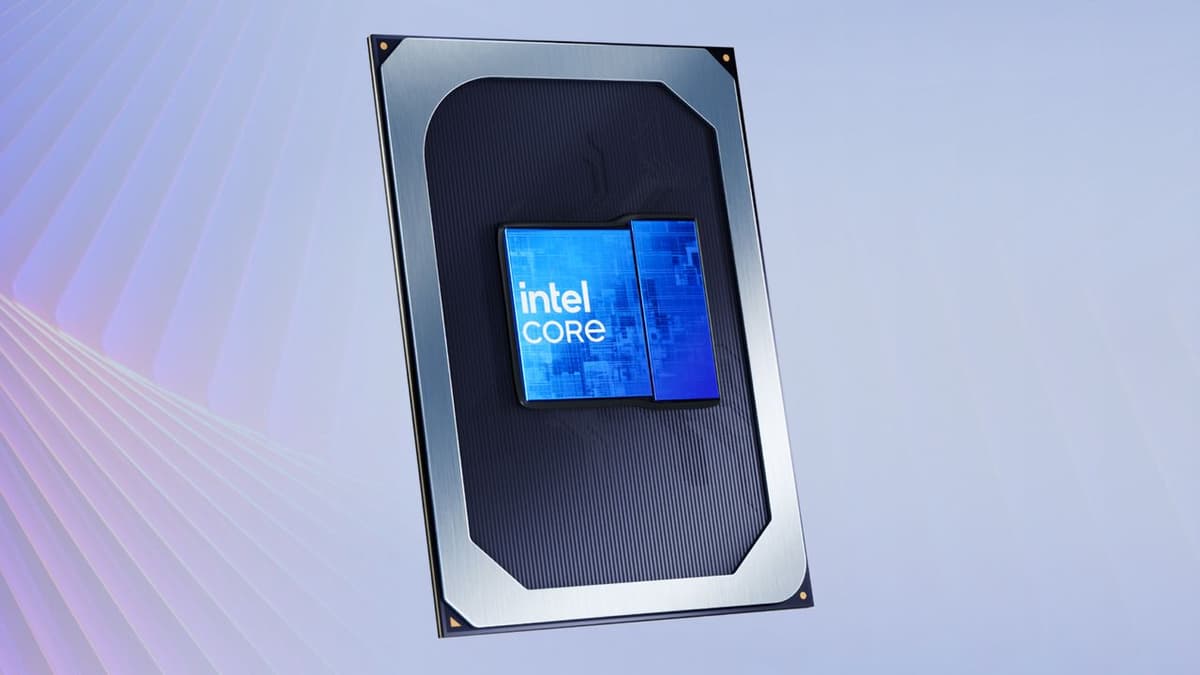
Intel Will Reportedly Upgrade Its Wildcat Lake Refresh to an 8-Core Config Next Year, Leak Claims — Top-End Silicon Tipped to Feature 4 P-Cores and 4 LP-E Cores as Part of 'Core 400' Series
Companies Mentioned
Why It Matters
The upgrade raises performance ceilings for thin‑and‑light laptops, sharpening Intel’s edge against AMD’s Ryzen 7000U offerings, while consolidating product tiers to maximize returns on its 18A process.
Key Takeaways
- •8‑core Wildcat Lake refresh: 4 P‑cores + 4 LP‑E cores.
- •Uses Cougar Cove P‑cores and Darkmont LP‑E cores from Panther Lake.
- •Integrated graphics retain 2 Xe³ GPU cores.
- •Refresh targets Core 5/7 SKUs, moving to Core 400 series.
- •Nova Lake 6‑core cancelled, replaced by Wildcat Lake refresh.
Pulse Analysis
Intel’s Core 300 series, launched earlier this year, has anchored the company’s budget‑friendly mobile lineup. However, the segment faces mounting pressure from AMD’s Ryzen 7000U chips, which offer higher core counts and strong efficiency. By expanding Wildcat Lake to an eight‑core configuration, Intel aims to close the performance gap without abandoning the cost‑effective monolithic CPU‑GPU tile that differentiates the series. The addition of four Cougar Cove performance cores signals a notable architectural uplift, while retaining the familiar Darkmont low‑power cores preserves the power envelope that OEMs value for thin‑and‑light devices.
Technically, the refreshed silicon remains on Intel’s 18A process, but the core mix shifts to a 4+0+4 layout—four performance cores, no efficiency‑only cores, and four low‑power cores. This hybrid arrangement leverages the high‑IPC Cougar Cove design alongside the energy‑saving Darkmont cores, promising better multi‑threaded throughput without a proportional rise in thermal design power. The integrated graphics stay modest with two Xe³ execution units, aligning with the segment’s emphasis on battery life over gaming heft. Compared with the existing six‑core Wildcat Lake, the new configuration should deliver roughly 30‑40% uplift in real‑world workloads such as video editing and AI‑assisted tasks.
From a business perspective, Intel is positioning the refreshed chips as Core 5 and Core 7 SKUs within a nascent Core 400 series, effectively creating a premium tier above the unchanged Core 3 models. This stratification allows OEMs to offer differentiated laptop tiers while Intel maximizes silicon utilization, especially after scrapping the planned Nova Lake 6‑core part. The move also reinforces Intel’s roadmap continuity, ensuring that its 18A fab investments yield higher‑margin products. As manufacturers integrate the 8‑core Wildcat Lake into upcoming ultrabooks, the market could see a resurgence of Intel‑centric devices that balance cost, performance, and power efficiency, reshaping the competitive dynamics of the mobile CPU arena.
Intel will reportedly upgrade its Wildcat Lake refresh to an 8-core config next year, leak claims — top-end silicon tipped to feature 4 P-cores and 4 LP-E cores as part of 'Core 400' series
Comments
Want to join the conversation?
Loading comments...