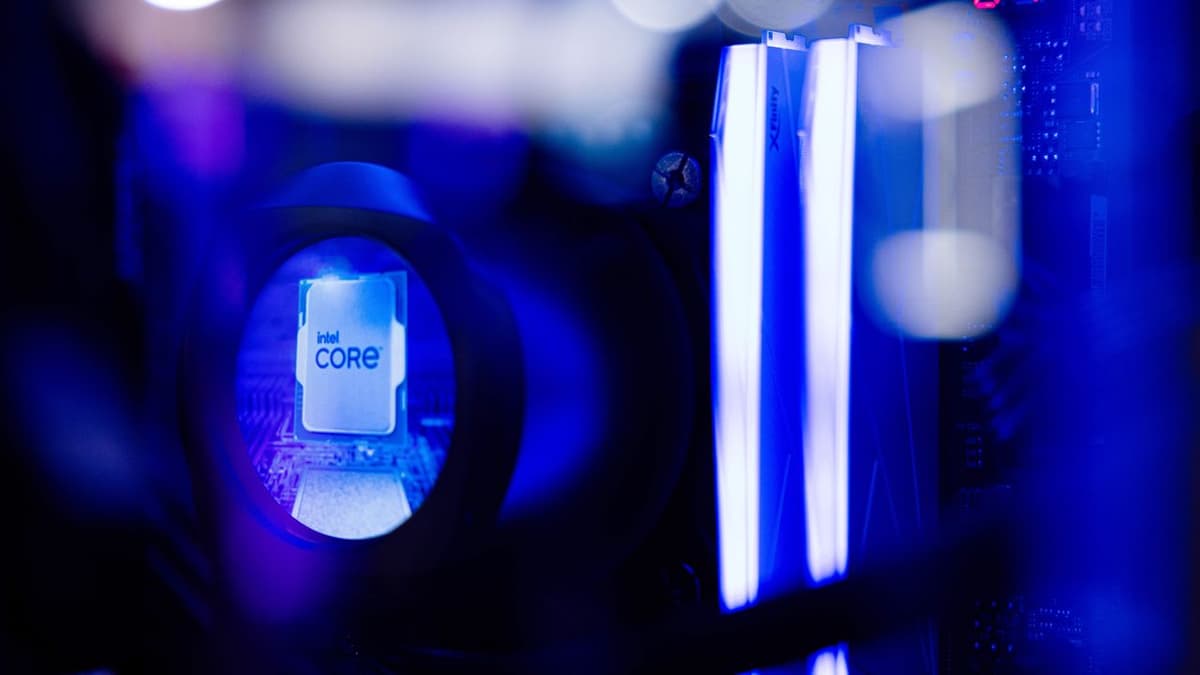
Intel’s Next-Gen LGA1954 Socket Will Support Nova Lake, Razor Lake, and Beyond — Finally an Intel Socket that Outlives Its CPUs
Why It Matters
A longer‑lasting socket lowers total cost of ownership for consumers and strengthens Intel’s competitive stance against AMD’s multi‑generation socket commitments.
Key Takeaways
- •LGA1954 supports Nova Lake, Razor Lake, and future CPUs.
- •Z970/Z990 boards will feature 64 MB BIOS chips for extended compatibility.
- •Budget B960 boards may lack 64 MB BIOS, limiting future support.
- •Intel aims to match AMD’s multi‑generation socket longevity.
- •Longer socket lifespan reduces motherboard upgrade expenses for users.
Pulse Analysis
Intel’s decision to introduce the LGA1954 socket marks a strategic pivot toward platform stability, a domain where AMD has long held an advantage. Historically, Intel has refreshed its socket lineup roughly every two years, forcing enthusiasts to replace motherboards alongside CPUs. This frequent churn has been a pain point for builders seeking value and longevity. By committing to a socket that can accommodate several generations, Intel aims to alleviate that friction, aligning its roadmap more closely with the expectations set by AMD’s AM4 and upcoming AM5 longevity promises.
The technical backbone of LGA1954’s future‑proofing lies in its 64 MB BIOS SPI ROM, a substantial increase over the typical 16‑32 MB chips found on many current boards. High‑end Z‑series motherboards such as the rumored Z970 and Z990 will ship with this larger firmware storage, ensuring that firmware for upcoming Nova Lake, Razor Lake, and later silicon fits comfortably. In contrast, mainstream B‑series boards like the B960 may retain smaller BIOS chips, creating a tiered compatibility landscape where budget users could face earlier obsolescence. Motherboard manufacturers will need to redesign their firmware architecture, possibly consolidating BIOS functions or adopting dual‑chip solutions to meet the new storage requirements.
From a market perspective, a durable socket could reshape consumer buying cycles and OEM strategies. Extended compatibility reduces the frequency of full‑system upgrades, encouraging longer‑term brand loyalty and potentially boosting sales of higher‑margin components such as premium cooling and memory kits. It also positions Intel to better compete in the enterprise segment, where lifecycle predictability is a key purchasing criterion. If Intel successfully delivers on the LGA1954 promise, the industry may see a shift toward more sustainable upgrade paths, benefiting both end users and the broader PC ecosystem.
Intel’s next-gen LGA1954 socket will support Nova Lake, Razor Lake, and beyond — finally an Intel socket that outlives its CPUs
Comments
Want to join the conversation?
Loading comments...