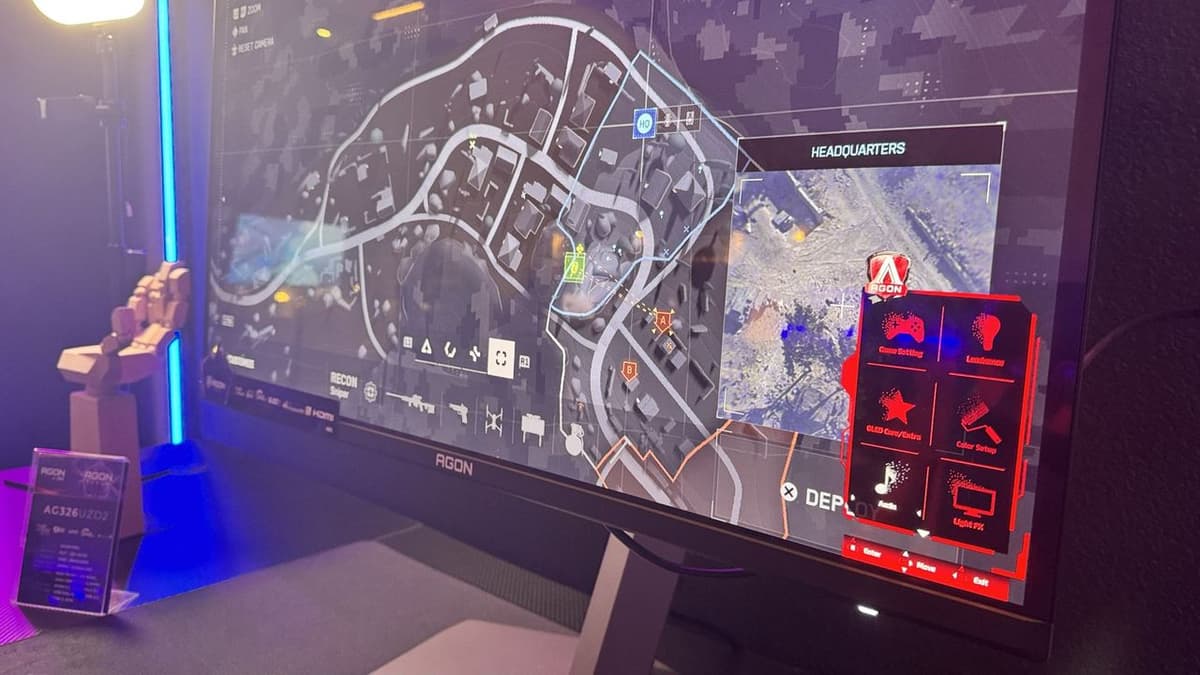
'I've Read Your Reviews': AOC Says Its Software Is 'One of the Most Highlighted' Problems and It's 'Finally, Finally' Updating Its OSD
Companies Mentioned

Why It Matters
A more intuitive OSD can reduce friction for gamers, potentially boosting AOC’s brand perception and sales in a crowded monitor market. The update also strengthens AOC’s competitive stance against rivals offering smoother software experiences.
Key Takeaways
- •AOC acknowledges OSD as top user complaint
- •New unified OSD UI uses color coding per product line
- •Updated OSD offers basic and advanced settings tiers
- •Dual‑mode monitors gain smoother resolution/refresh switching
- •Early feedback suggests UI overhaul may boost competitive edge
Pulse Analysis
The monitor industry has become a battleground of specifications—resolution, refresh rate, and panel technology dominate headlines, yet the on‑screen display (OSD) often determines day‑to‑day usability. Consumers expect a seamless interface that lets them toggle game modes, brightness, and advanced parameters without digging through nested menus. Historically, AOC’s OSD lagged behind competitors like Dell and ASUS, earning consistent negative remarks in user reviews and tech forums. By publicly acknowledging this pain point, AOC signals a shift toward user‑centric design, aligning its software roadmap with the broader trend of experience‑first hardware.
AOC’s refreshed OSD introduces a tiered approach: an initial screen presents essential controls such as game mode, resolution, and brightness, while a secondary layer unlocks granular adjustments for power users. The interface also adopts a color‑coded scheme—orange for Gaming, red for Agon, and purple for Agon Pro—creating instant visual identification across the product family. This unified UI will roll out to all new monitors, ensuring consistency and reducing the learning curve for owners who upgrade within the brand. For dual‑mode models that dynamically switch resolutions and refresh rates, the streamlined OSD promises quicker transitions, minimizing downtime during competitive play.
The implications extend beyond aesthetics. A smoother OSD can translate into higher customer satisfaction scores, lower return rates, and stronger brand loyalty—critical metrics in a market where price competition is fierce. As gamers increasingly value plug‑and‑play convenience, AOC’s software overhaul may help it reclaim market share from rivals that have long emphasized intuitive interfaces. Moreover, the move underscores a broader industry realization: hardware excellence must be paired with software polish to meet the expectations of a discerning, performance‑driven audience.
'I've read your reviews': AOC says its software is 'one of the most highlighted' problems and it's 'finally, finally' updating its OSD
Comments
Want to join the conversation?
Loading comments...