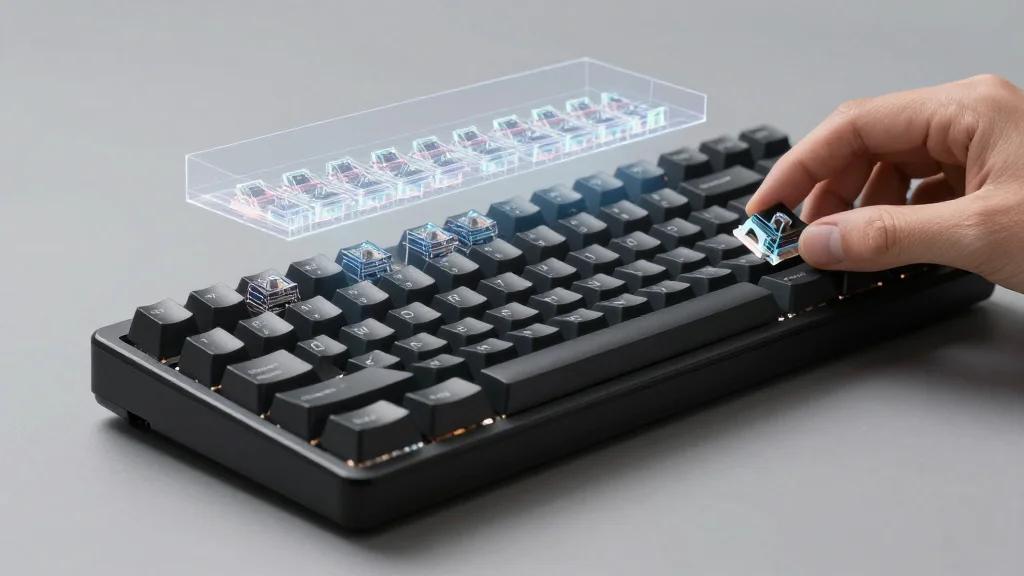
Keychron Shares 3D Keyboard Blueprints on GitHub, Opening Hardware to Modders
Why It Matters
By exposing hardware blueprints, Keychron lowers entry barriers for custom peripheral innovation and sets a precedent for mainstream manufacturers to adopt more transparent design practices, potentially reshaping the competitive landscape of the keyboard market.
Key Takeaways
- •Keychron publishes editable .STEP files for cases, plates, keycaps.
- •Files are source‑available, allowing personal, educational, non‑commercial use.
- •Community can 3D‑print accessories, fostering maker ecosystem.
- •PCB designs remain proprietary, limiting full custom builds.
- •Open hardware move may pressure competitors toward transparency.
Pulse Analysis
Keychron’s decision to share its mechanical keyboard hardware files marks a notable shift in the consumer electronics arena, where open‑source principles have largely been confined to software. The company has already championed QMK and VIA firmware, granting users deep control over key mapping and lighting. Extending that philosophy to physical design not only aligns with the maker movement’s demand for modifiable products but also showcases a strategic brand differentiation that could attract a more technically engaged customer base.
The GitHub repository contains detailed .STEP files for the keyboard cases, plates and keycaps, allowing users to adjust dimensions, experiment with alternative materials, or generate custom 3D‑printed parts. Documentation guides contributors on how to submit modifications and engage via Discord, fostering a collaborative ecosystem. However, the source‑available license restricts commercial resale and omits PCB schematics, meaning full‑scale custom builds still require existing Keychron boards or third‑party electronics. This balance protects the company’s core IP while empowering hobbyists to create accessories, replacement parts, or aesthetic variations.
Industry analysts see the move as a potential catalyst for broader hardware openness. As more peripherals adopt transparent design practices, manufacturers may face pressure to share more of their engineering data to stay relevant among the growing DIY community. For Keychron, the strategy could drive brand loyalty, generate user‑generated innovation, and open new revenue streams through premium accessories or support services. Competitors that cling to closed designs risk alienating a segment of consumers who value customization and community involvement, reshaping the market dynamics of mechanical keyboards and beyond.
Keychron shares 3D keyboard blueprints on GitHub, opening hardware to modders
Comments
Want to join the conversation?
Loading comments...