Lawmakers Question Intel’s Use of Tools From Blacklisted Chinese Firm
•March 4, 2026
0
Why It Matters
The probe links federal funding to potential security risks, threatening Intel’s access to public capital and U.S. leadership in chip manufacturing.
Key Takeaways
- •Senators question Intel’s use of blacklisted Chinese tools.
- •Intel received $8.9 B, 10% taxpayer ownership.
- •Letter requests testing, safeguards, money‑flow transparency.
- •National security risk could affect chip‑making leadership.
- •Bipartisan pressure may delay Intel’s turnaround plans.
Pulse Analysis
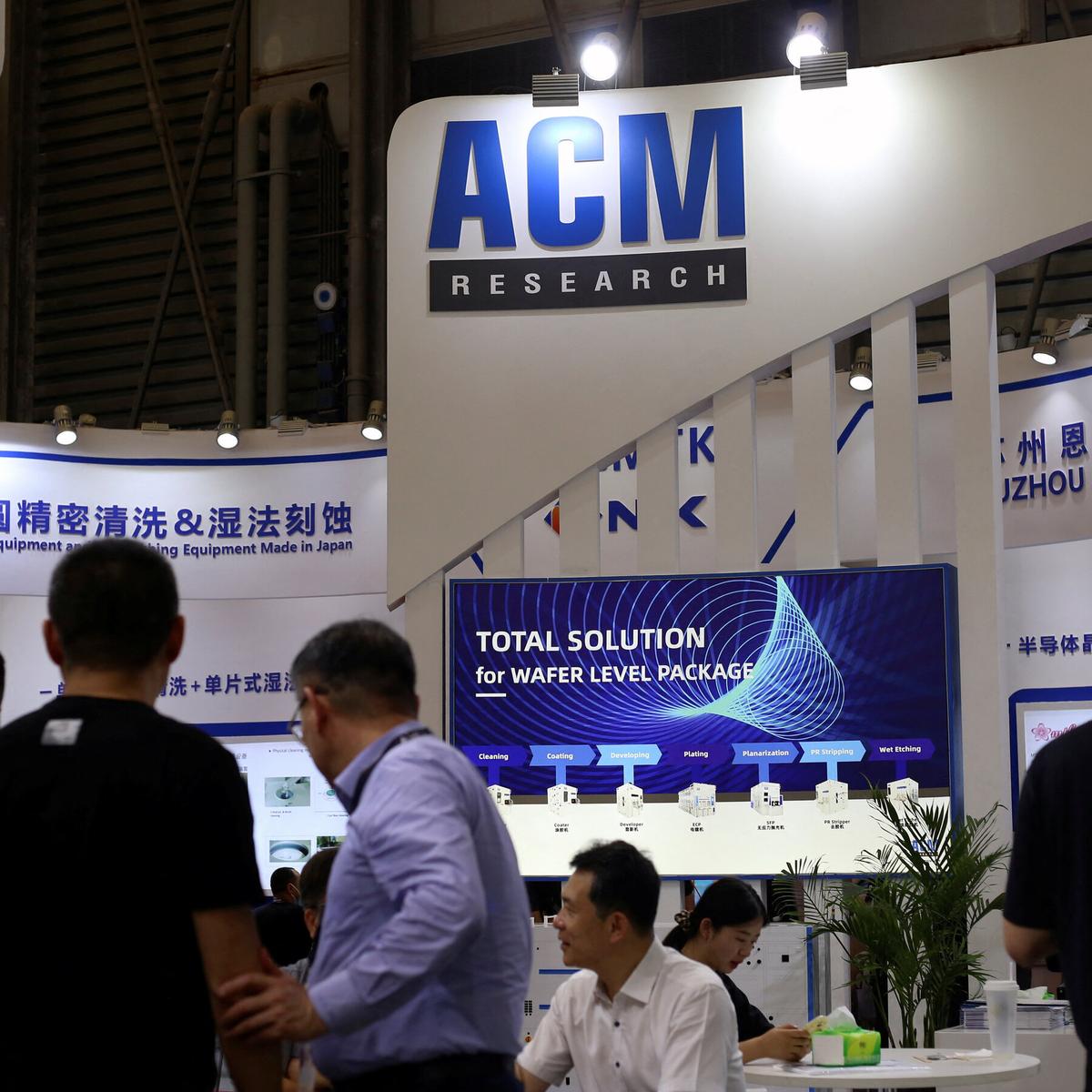
The Senate’s letter arrives at a pivotal moment for Intel, which last year secured a historic $8.9 billion infusion from the U.S. Treasury, giving the government a 10 % equity stake. That public money was intended to shore up America’s semiconductor capacity, yet the revelation that Intel may be sourcing wafer‑processing equipment from ACM Research—a firm on the Commerce Department’s blacklist—raises immediate red flags. ACM’s tools, used to etch and clean silicon, could embed hidden vulnerabilities or provide China with indirect insight into Intel’s advanced process nodes.
From a national‑security perspective, the concern is two‑fold. First, any reliance on blacklisted technology could create a supply‑chain backdoor, allowing a foreign adversary to glean design secrets or disrupt production. Second, the presence of taxpayer dollars amplifies the stakes; lawmakers argue that public funds should not subsidize activities that could compromise U.S. strategic assets. The bipartisan nature of the inquiry signals that the issue transcends party lines, reflecting broader anxieties about China’s rapid ascent in the chip arena and the need for stringent export‑control enforcement.
Looking ahead, Intel faces a choice: bolster internal vetting, replace the contested tools, or negotiate exemptions that satisfy both security and operational needs. Either path will affect its turnaround timeline, investor confidence, and eligibility for future government contracts. The episode also serves as a cautionary tale for other firms courting public capital, underscoring the importance of transparent supply‑chain governance in an era where technology and geopolitics are increasingly intertwined.
Lawmakers Question Intel’s Use of Tools From Blacklisted Chinese Firm
0
Comments
Want to join the conversation?
Loading comments...