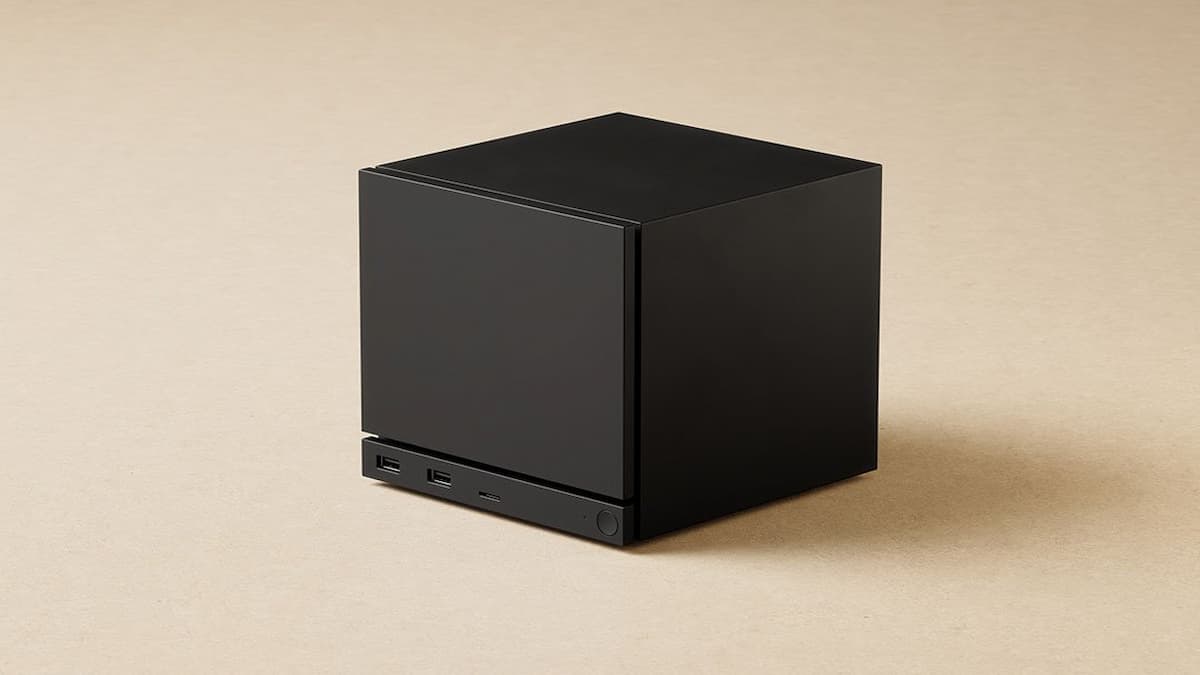
Leak Suggests Solid Pricing for Steam Machine, but Even that Might Be Too High to Save It
Companies Mentioned

Valve

OpenAI
Why It Matters
The pricing decision determines whether Valve can compete with mainstream consoles and affordable PC builds, directly affecting its chances to re‑enter the console market.
Key Takeaways
- •Leak targets $650‑$750 price after RAM market stabilizes.
- •AI‑driven RAM shortage pushed earlier estimates to $800‑$900.
- •At $650, Steam Machine matches PS5 Slim price but offers weaker performance.
- •PC component prices falling make pre‑built consoles cheaper than Steam Machine.
- •Valve may shift focus to Steam Deck 2 and Steam Frame VR.
Pulse Analysis
The Steam Machine’s pricing saga is rooted in a broader supply‑chain squeeze that began in early 2024 when AI‑centric firms, led by OpenAI, snapped up large volumes of DRAM wafers for training large language models. Their letters of intent, though unpaid, drove spot RAM prices to historic highs, inflating the bill of materials for any new PC‑style console. As OpenAI’s financing troubles eased, demand for high‑bandwidth memory softened, allowing manufacturers like Valve to reassess component costs. This backdrop explains why the leak now cites a $650‑$750 target, down from the $800‑$900 range floated months ago.
Even at the lower $650 price point, the Steam Machine sits shoulder‑to‑shoulder with the 1 TB PlayStation 5 Slim physical edition, yet benchmarks suggest it will deliver performance on par with or below the console’s 2020‑era hardware. Meanwhile, PC component prices have been on a downward trajectory, enabling enthusiasts to assemble comparable rigs for less than $600, especially when RAM discounts reappear. Coupled with the machine’s lack of an integrated display, a Linux‑only OS, and limited portability, the value proposition appears thin against both next‑gen consoles and budget custom builds.
For Valve, the Steam Machine may become a cautionary footnote rather than a flagship product. The company’s recent patents and supply‑chain moves hint at a pivot toward the next‑generation Steam Deck 2, slated for a 2028 launch, and the Steam Frame VR headset, which promises a high‑end immersive experience. By reallocating R&D resources away from a costly, marginally differentiated console, Valve can strengthen its foothold in portable gaming and virtual reality—segments where it already enjoys brand loyalty. Ultimately, the Steam Machine’s fate will hinge on RAM stability and whether consumers deem its price justified.
Leak suggests solid pricing for Steam Machine, but even that might be too high to save it
Comments
Want to join the conversation?
Loading comments...