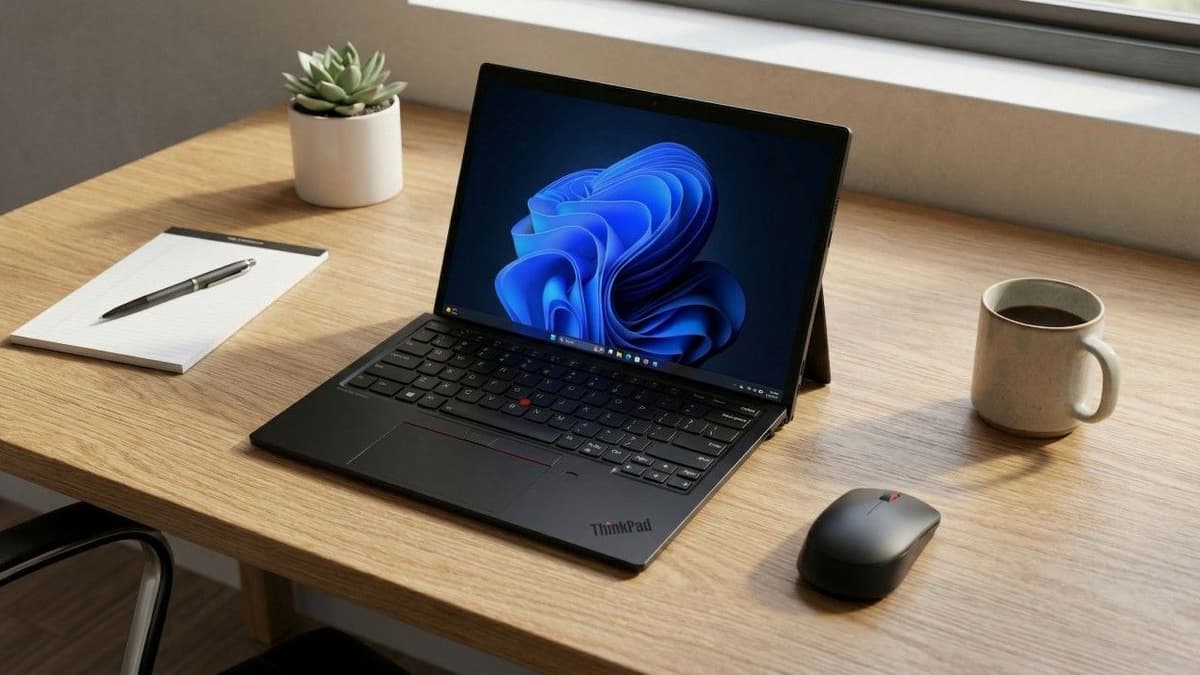
Lenovo Keeps the Surface Pro Form Factor Alive with Its New ThinkPad X13 Detachable 2-in-1 Windows 11 Tablet PC — Just Don't Look at the Price
•March 1, 2026
0
Why It Matters
The X13 Detachable expands the premium Windows 2‑in‑1 market, giving enterprises a rugged, high‑performance option that competes directly with the Surface Pro. Its price and feature set could pressure Microsoft to innovate further in its own detachable lineup.
Key Takeaways
- •ThinkPad X13 Detachable uses Intel Core Ultra 3 chips.
- •13‑inch 120 Hz display rivals Surface Pro.
- •Supports Windows 11 and Fedora Linux out of box.
- •Starts at $1,999, targeting high‑end professionals.
- •Includes detachable keyboard with TrackPoint and pen charging.
Pulse Analysis
The Windows‑based detachable market has been dominated for years by Microsoft’s Surface Pro line, a niche that blends tablet portability with laptop productivity. Lenovo’s introduction of the ThinkPad X13 Detachable at Mobile World Congress signals a strategic push to broaden that segment, leveraging the ThinkPad brand’s reputation for durability and enterprise features. By recreating the 13‑inch, 3:2 form factor while adding its own hardware innovations, Lenovo aims to attract professionals who value the familiar Surface experience but demand more robust input options and security controls.
Under the hood, the X13 Detachable is powered by Intel’s latest Core Ultra 3 processors, paired with up to 64 GB of LPDDR5x memory and a 1 TB PCIe 4.0 SSD, delivering desktop‑class performance in a tablet chassis. The device also integrates Intel’s AI Boost engine, offering up to 50 TOPS for on‑device inference tasks, a feature increasingly relevant for edge analytics and remote work workloads. A 13‑inch 2880 × 1920 IPS panel with 120 Hz variable refresh, Wi‑Fi 7, 5G, and optional Fedora Linux make it a versatile platform for both corporate IT and power users.
At a starting price of $1,999, the X13 Detachable positions itself at the premium end of the market, directly challenging the Surface Pro’s pricing while offering a detachable keyboard with 1.5 mm travel, a red TrackPoint, and pen charging via the folio. The high price may limit mass‑market appeal, but enterprises seeking rugged design, integrated security (fingerprint, IR camera, BIOS hardening) and long‑term support could find value. If Lenovo can secure volume discounts for corporate fleets, the device could reignite competition in the 2‑in‑1 space and push Microsoft to further differentiate its own hardware.
Lenovo keeps the Surface Pro form factor alive with its new ThinkPad X13 detachable 2-in-1 Windows 11 tablet PC — just don't look at the price
0
Comments
Want to join the conversation?
Loading comments...