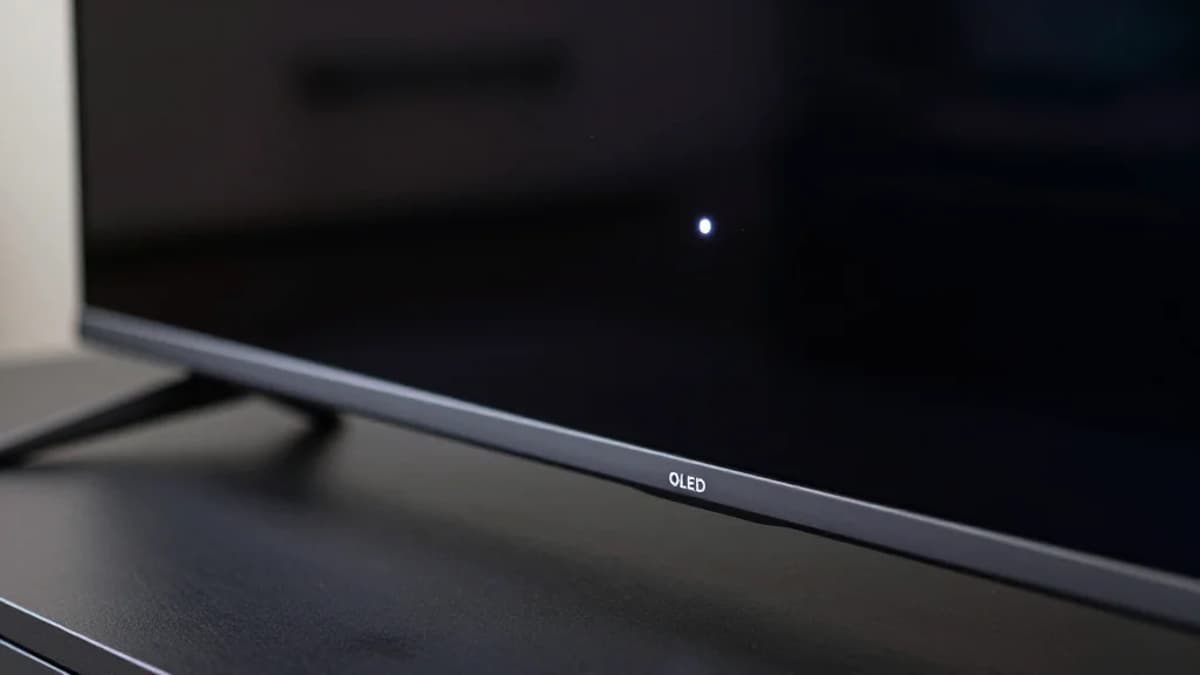
LG Display Adds UL Verification for 100% OLED Dimming Consistency
•February 27, 2026
0
Companies Mentioned

Why It Matters
The verification proves OLED’s pixel‑level control can deliver superior contrast and uniformity, especially for HDR and bright‑room content. This advantage strengthens OLED’s competitive edge over backlit LCD technologies in high‑end TV and monitor markets.
Key Takeaways
- •UL verifies 100% dimming consistency on LG OLED panels.
- •OLED maintains brightness as test region shrinks, unlike LCD.
- •LCD dimming consistency drops to 43‑83% in same tests.
- •Pixel-level emission eliminates halo effect and improves contrast.
- •New LG panel offers 4,500 nits and 0.3% reflectance.
Pulse Analysis
The UL Solutions dimming‑consistency test provides a granular look at how displays handle tiny bright objects. By progressively shrinking a reference region—from one‑tenth of the screen down to just two thousandths—UL measures whether maximum and minimum luminance stay equal. LG Display’s OLED panels scored a flawless 100%, confirming that each pixel can be driven independently without loss of brightness, a metric that has become a benchmark for high‑dynamic‑range performance.
Backlit LCD and Mini‑LED panels, by contrast, rely on local‑dimming zones that illuminate large blocks of pixels. When a bright highlight is smaller than a dimming zone, the surrounding area is also lit, creating a halo or bloom effect that reduces perceived contrast. The UL data shows LCD consistency falling between 43% and 83%, underscoring the inherent limitation of block‑based lighting. For content creators and consumers seeking precise highlight rendering—such as star fields or UI elements—OLED’s pixel‑level control offers a clear visual advantage.
LG’s announcement also ties the dimming consistency claim to its broader product roadmap. The new Primary RGB Tandem 2.0 panel stacks separate red, green, and blue emissive layers, pushing peak brightness to 4,500 nits while maintaining a mere 0.3% reflectance. These specs aim to make OLED viable in bright‑room environments, a segment traditionally dominated by LCD. As advertisers and OEMs prioritize HDR excellence and energy efficiency, LG’s validated performance could accelerate OLED adoption in premium televisions and professional monitors, reshaping the competitive landscape.
LG Display adds UL verification for 100% OLED dimming consistency
0
Comments
Want to join the conversation?
Loading comments...