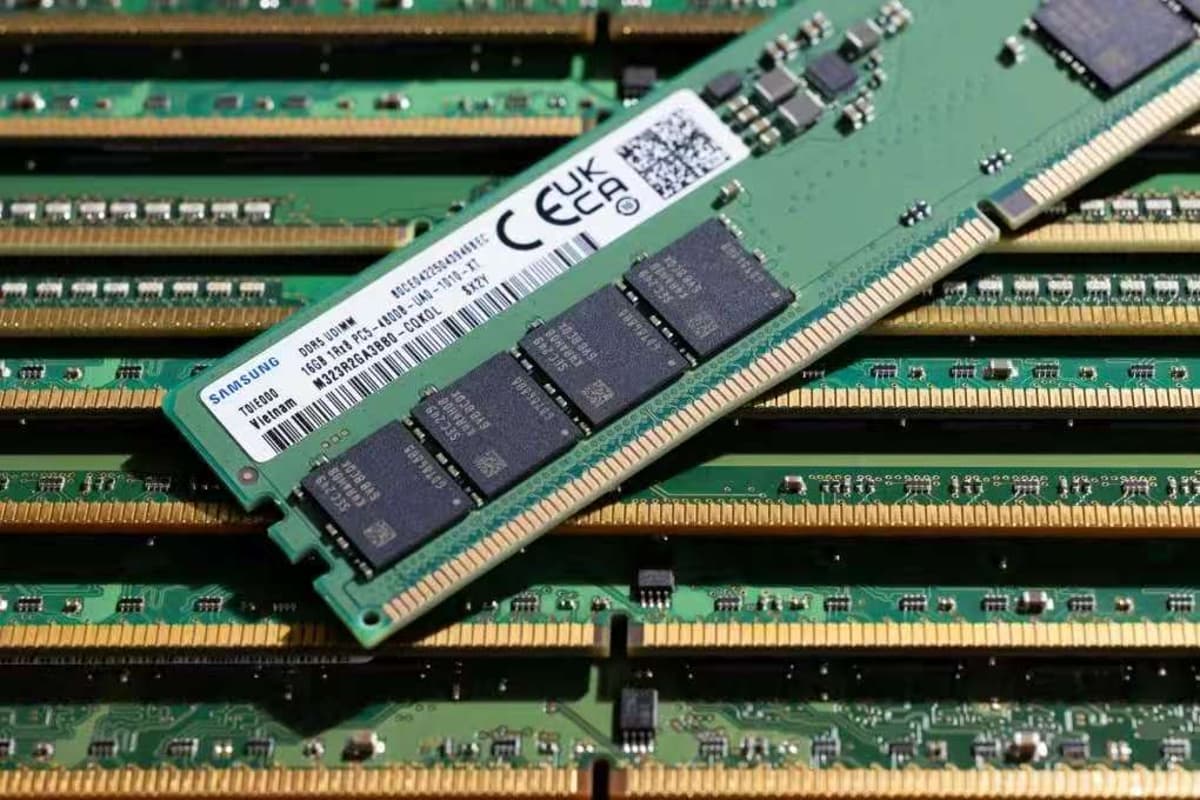
Memory Chip Prices Set to Ease in Late 2027 as AI Demand Drives Global Market Volatility
Companies Mentioned
Why It Matters
A price correction would lower costs for AI‑heavy data centers and consumer PCs, reshaping competitive dynamics among memory producers and downstream tech firms.
Key Takeaways
- •DDR5 prices in Germany rose 414% YoY
- •Chinese memory capacity may reach 6M wafers/month by 2027
- •AI‑driven HBM demand inflates memory prices
- •South Korea urged to strengthen fabless design capabilities
- •Potential price easing expected late 2027 if supply expands
Pulse Analysis
The rapid ascent of artificial‑intelligence workloads has turned memory chips into a bottleneck, pushing high‑bandwidth memory (HBM) and DDR5 prices to unprecedented levels. As AI models grow larger, data‑center operators require ever‑greater bandwidth, driving demand for premium memory that outstrips existing supply. This surge has created pronounced volatility, with German DDR5 prices climbing more than fourfold within a year, prompting manufacturers to lock in inventory ahead of further hikes.
China’s aggressive expansion of memory‑chip fabs is poised to reshape the market equilibrium. Industry forecasts suggest global wafer capacity could hit 6 million units per month by late 2027, a substantial increase that would alleviate current shortages. Kye‑hyun Kyung, a former Samsung executive, warns that South Korea must double down on fabless semiconductor design to stay competitive against both Chinese and U.S. rivals. If Chinese capacity materializes as expected, the oversupply could trigger a price correction, offering relief to OEMs and downstream users.
For original‑equipment manufacturers such as Apple and Dell, a potential easing of memory prices could lower bill‑of‑materials costs and improve margins on AI‑enabled products. Yet the outlook remains contingent on AI capital‑expenditure trends; a slowdown in AI spending would dampen demand, further supporting price declines. Stakeholders should monitor capacity roll‑outs and AI investment cycles closely, as these factors will dictate whether the memory market stabilizes or re‑enters a new cycle of volatility.
Memory chip prices set to ease in late 2027 as AI demand drives global market volatility
Comments
Want to join the conversation?
Loading comments...