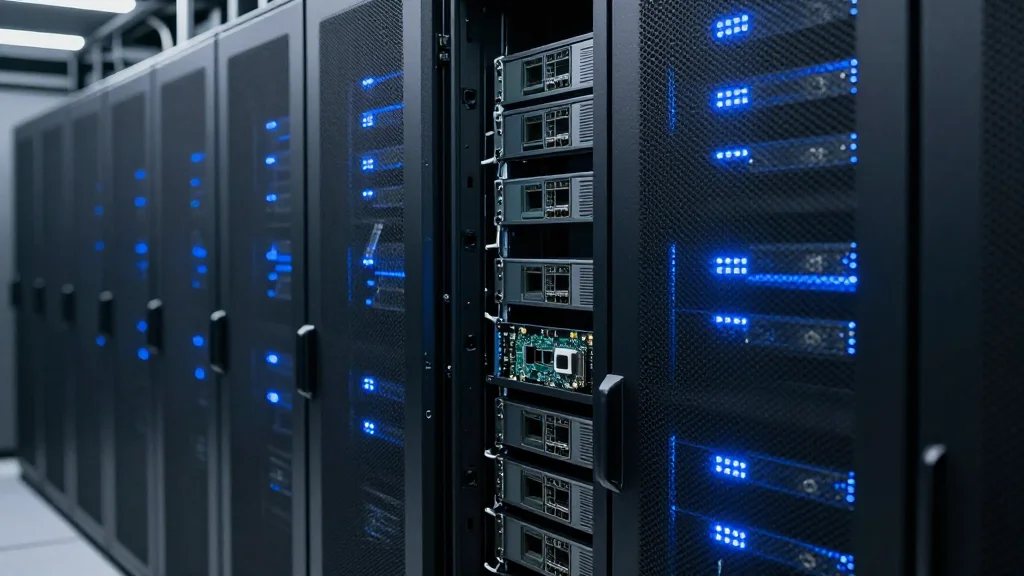
Motherboard Sales Are Collapsing because AI Data Centers Made RAM Too Expensive to Buy
Why It Matters
Memory scarcity is throttling demand for motherboards and downstream devices, compressing revenue streams across the entire consumer‑electronics ecosystem. Companies that cannot secure affordable RAM face inventory gaps, pricing pressure, and slowed growth in a market already sensitive to component costs.
Key Takeaways
- •AI data centers drive DDR5 RAM prices up, hurting DIY PC market
- •Taiwan motherboard makers cut 2026 shipments 25‑30% amid memory shortage
- •Asus forecasts 30% drop, Asrock down 40% in motherboard volumes
- •Rising component costs force price hikes for laptops, consoles, pre‑built PCs
- •Nvidia cancels RTX 50 Super, AMD expects 20% gaming revenue dip
Pulse Analysis
The rapid expansion of AI‑focused data centers has reallocated a sizable share of the world’s DDR5 production, inflating memory prices beyond the reach of most hobbyist builders. DDR5, now a prerequisite for the latest AMD AM5 platforms, has become a bottleneck that discourages new PC builds, prompting a cascade of inventory challenges for component distributors. This scarcity is not isolated to RAM; it pressures the entire supply chain, as manufacturers scramble to balance AI demand with traditional consumer markets, leading to volatile pricing and delayed product launches.
Taiwan’s motherboard giants—Asus, Asrock, Gigabyte and MSI—have responded by dramatically revising their 2026 shipment outlooks. Asus, which saw shipments rise from 14 million to 15 million units between 2024 and 2025, now anticipates only 10 million units, a roughly 30% contraction. Asrock expects its volumes to tumble from 4.4 million to 2.7 million, while Gigabyte and MSI forecast 25% declines. These cuts reflect both reduced consumer demand and manufacturers’ strategic shift to preserve cash amid uncertain component availability, signaling a broader slowdown in the DIY PC segment.
The downstream impact ripples through the broader electronics market. Elevated RAM costs have forced price hikes for graphics cards, CPUs, SSDs, laptops, and even gaming consoles, squeezing margins for OEMs and eroding consumer purchasing power. Nvidia’s decision to scrap the rumored RTX 50 Super line underscores how memory constraints can derail product pipelines, while AMD’s warning of a 20% dip in gaming revenue highlights the financial stakes. As the industry adapts, we may see a prolonged lull in PC upgrades, prompting firms to explore alternative architectures or prioritize cost‑effective solutions to sustain growth in a memory‑tight environment.
Motherboard sales are collapsing because AI data centers made RAM too expensive to buy
Comments
Want to join the conversation?
Loading comments...