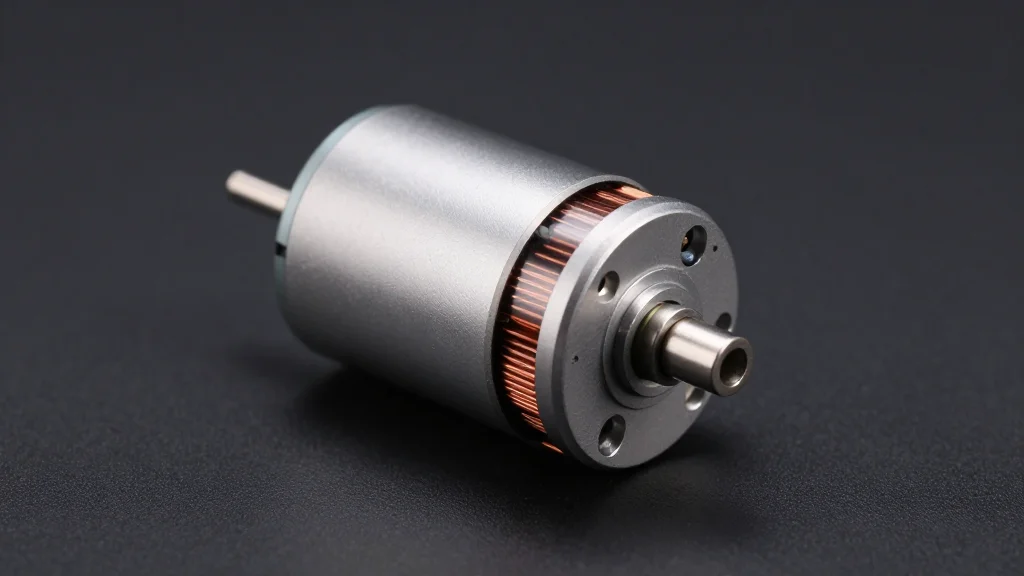
Motor MCU Integrates Driver and Control Functions
Companies Mentioned
Why It Matters
Integrating the MCU, driver and safety features cuts component count and development effort, accelerating the rollout of smarter, more reliable motor‑actuated systems in vehicles.
Key Takeaways
- •Toshiba samples TB9M040FTG, combining MCU and motor driver.
- •Supports 2 A single‑channel drive for three‑phase BLDC motors.
- •Cortex‑M23 core runs up to 40 MHz with built‑in flash.
- •Hardware vector engine offloads FOC, cutting CPU load.
- •VQFN36 package meets AEC‑Q100 Grade 0 and ASIL‑B standards.
Pulse Analysis
The automotive industry is rapidly consolidating functions onto single chips to meet stringent cost, space and reliability targets. Toshiba’s TB9M040FTG exemplifies this shift by pairing a Cortex‑M23 microcontroller with a dedicated motor driver, flash storage and LIN communication in a 36‑pin VQFN. By handling field‑oriented control in hardware, the device reduces firmware complexity and frees CPU cycles for higher‑level tasks such as diagnostics or adaptive control, a critical advantage for increasingly connected vehicle subsystems.
For OEMs and Tier‑1 suppliers, the integrated solution translates into a smaller bill of materials and fewer PCB layers, which directly lowers manufacturing expense and improves overall system robustness. The inclusion of automotive‑grade safety compliance (AEC‑Q100 Grade 0, ASIL‑B) means the part can be used in safety‑critical applications like HVAC dampers and electric valve actuators without additional qualification steps. Moreover, the built‑in LIN transceiver simplifies network integration, allowing seamless communication with existing vehicle ECUs.
Looking ahead, the TB9M040FTG positions Toshiba to compete in a market where sensorless motor control and efficient power management are becoming differentiators for electric‑vehicle platforms and advanced driver‑assistance systems. As manufacturers seek to scale motorized functions—from interior climate control to exterior lighting—devices that combine processing, power conversion and safety compliance will likely dominate future design choices, driving further consolidation of motor‑control ICs across the automotive supply chain.
Motor MCU integrates driver and control functions
Comments
Want to join the conversation?
Loading comments...