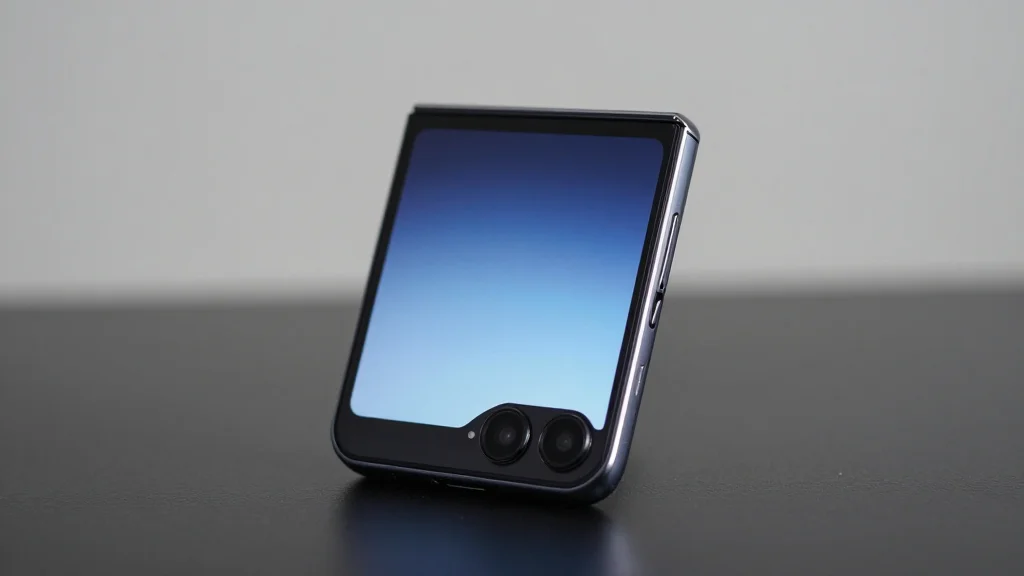
Motorola Launches $1,500 Razr Ultra 2026, Taking on Samsung’s Galaxy Z Fold Line

Companies Mentioned
Why It Matters
Motorola’s Razr Ultra 2026 raises the stakes in the premium foldable arena by delivering flagship‑level hardware in a compact clamshell form factor at a price point that narrows the gap with Samsung’s high‑end offerings. The device’s 5,000‑nit display and silicon‑carbon battery address two long‑standing consumer pain points—visibility in bright light and endurance—potentially shifting buyer expectations for what a foldable can deliver. If the Ultra gains traction, it could force Samsung to accelerate its own hardware upgrades or reconsider pricing to retain market share. Moreover, Motorola’s emphasis on premium materials and fashion‑forward finishes may inspire other OEMs to explore design‑centric differentiation, expanding the overall foldable market beyond pure tech specs.
Key Takeaways
- •Motorola Razr Ultra 2026 launches at $1,500, $200 higher than the 2025 model
- •Features a 7‑inch Extreme AMOLED inner display with 5,000‑nit peak brightness
- •First flip phone with Corning Gorilla Glass Ceramic 3 on the outer screen, claiming 75% better drop performance
- •Powered by Snapdragon 8 Elite, 16 GB RAM, 512 GB storage and a 5,000 mAh silicon‑carbon battery
- •Preorders start May 14; shipments begin May 21 alongside the new Razr Fold
Pulse Analysis
Motorola’s decision to double down on the flip‑phone form factor with the Razr Ultra 2026 is a calculated gamble that leverages brand nostalgia while addressing the technical shortcomings that have hampered earlier foldables. By marrying a high‑brightness, HDR‑capable display with a robust hinge and a new silicon‑carbon battery, Motorola eliminates two of the most cited consumer complaints—screen washout in sunlight and frequent recharging. The move also signals a shift from incremental upgrades to a more holistic hardware refresh, which could set a new benchmark for durability and usability.
The pricing strategy is equally telling. While the $1,500 tag places the Ultra squarely in the premium tier, it still undercuts Samsung’s flagship Z Fold 7 by $500, offering a compelling value proposition for power users who prioritize a compact form factor. However, the price hike relative to the 2025 Ultra may alienate price‑sensitive buyers, especially as the broader foldable market grapples with component shortages. Motorola’s reliance on the Snapdragon 8 Elite rather than the newer Gen 5 chip in the Ultra suggests a cost‑optimization approach, but it also raises questions about future‑proofing as AI‑driven workloads become more demanding.
Looking ahead, Motorola’s success will hinge on its ability to translate the Razr Ultra’s hardware advantages into real‑world adoption. Strong carrier partnerships, aggressive marketing of the Live Tile software ecosystem, and continued emphasis on premium finishes could carve out a niche that forces Samsung to innovate faster or lower prices. If Motorola can sustain its roughly 50% share of the foldable market, the Ultra could become the catalyst that expands the premium foldable segment from a niche luxury to a mainstream choice for discerning consumers.
Motorola launches $1,500 Razr Ultra 2026, taking on Samsung’s Galaxy Z Fold line
Comments
Want to join the conversation?
Loading comments...