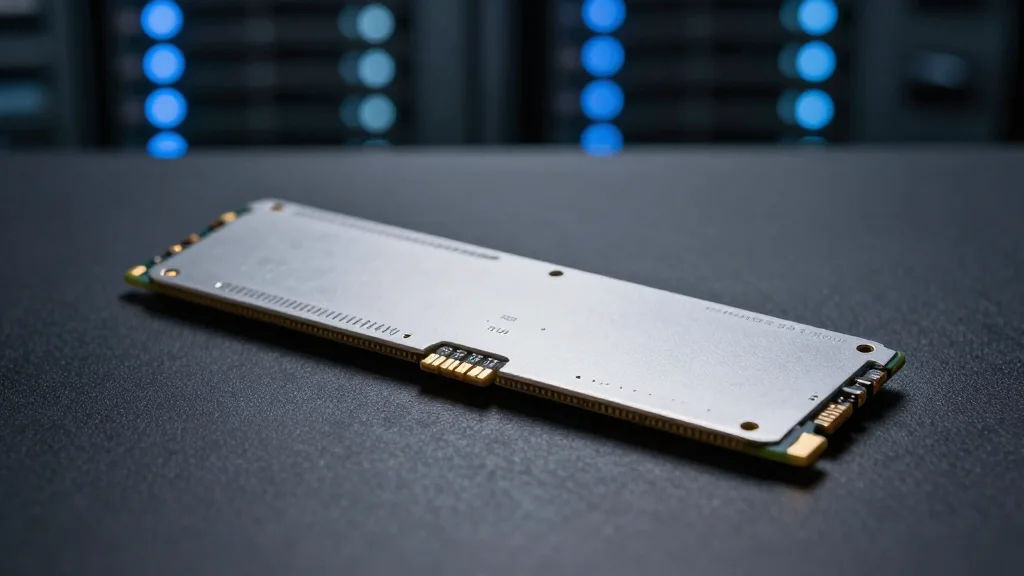
NAND Chip Revenue in Q1 2026 Was Higher than the Total Revenue for the Entire Year of 2023
Why It Matters
The surge underscores AI’s transformative impact on storage economics, reshaping profit pools toward enterprise solutions while compressing consumer margins. Investors and OEMs must navigate tighter supply and price volatility as capacity lag persists.
Key Takeaways
- •Q1 2026 NAND revenue hits $46 billion, beating 2023 total
- •Enterprise SSDs now 40% of NAND market, projected >60% by 2026
- •SSD prices surged, 1TB WD Black NVMe rose from $100 to $230
- •YMTC consumer share climbs to 13% after expanding market presence
- •Capacity expansions not expected until 2027, keeping supply tight
Pulse Analysis
The unprecedented $46 billion NAND flash revenue in Q1 2026 signals a structural pivot in the memory industry. AI model training and inference workloads demand massive, high‑throughput storage, prompting cloud giants and hyperscalers to allocate disproportionate budgets to enterprise‑grade SSDs. These products command premium pricing and superior margins, incentivizing manufacturers to re‑tool fabs toward enterprise lanes, accelerating the sector’s revenue growth far beyond historical consumer‑driven cycles.
This enterprise focus is reverberating through the consumer ecosystem. With wafer capacity redirected, mainstream devices—from laptops to smartphones—face tighter supply, inflating SSD prices across the board. The WD Black SN850X 1TB NVMe, once a $100 offering, now retails above $230, reflecting broader storage inflation. Meanwhile, nimble entrants such as Yangtze Memory Technologies (YMTC) are capitalizing on the gap, boosting their consumer share from 8% to 13% as larger rivals chase higher‑margin contracts. The price pressure is prompting OEMs to reconsider bill‑of‑materials strategies and explore alternative storage architectures.
Looking ahead, the market’s supply‑side constraints are unlikely to ease before 2027, given the capital‑intensive nature of advanced NAND fabs and long lead times for capacity roll‑out. Stakeholders must weigh short‑term pricing volatility against the long‑term upside of AI‑fuelled demand. For investors, companies with diversified portfolios that balance enterprise SSD leadership with a foothold in consumer segments may offer resilience. Manufacturers that accelerate capacity investments or adopt innovative process technologies could capture outsized market share once the supply bottleneck eases, reshaping the competitive landscape for the next decade.
NAND chip revenue in Q1 2026 was higher than the total revenue for the entire year of 2023
Comments
Want to join the conversation?
Loading comments...