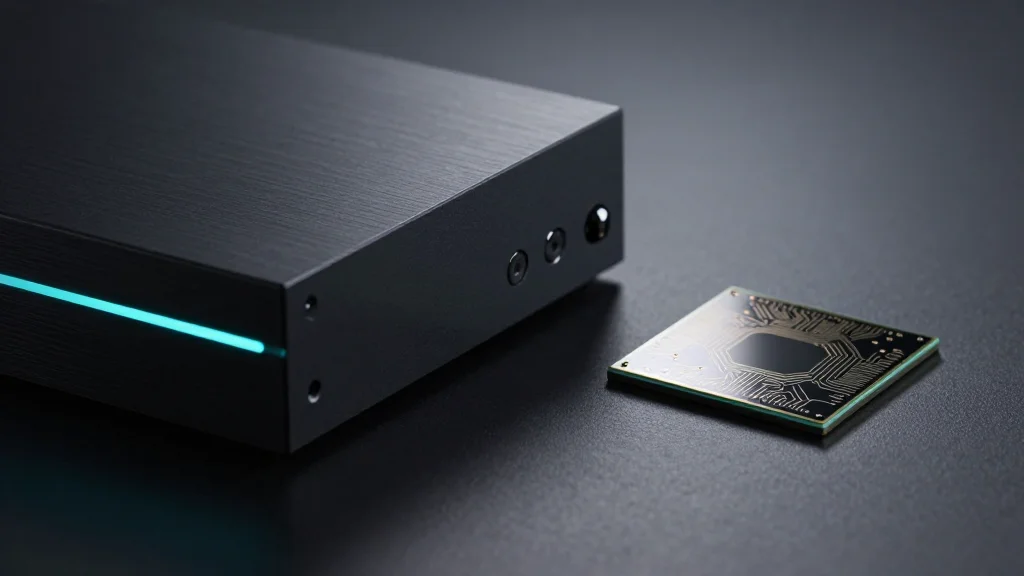
New Steam Hardware Releasing Early 2026. The Steam Controller, Steam Machine and Steam Frame (VR Goggles).
Why It Matters
If priced competitively, the Steam Machine could erode Sony and Microsoft’s console dominance and accelerate Linux adoption among mainstream gamers. Its success would also validate Valve’s shift from software‑only to hardware‑driven market influence.
Key Takeaways
- •Steam Machine targets $500‑$700 price, aiming to undercut PS5
- •Controller adds IR tracking and gyro aiming for enhanced precision
- •Steam Frame lacks HDMI/DisplayPort, limiting VR and TV connectivity
- •Linux‑first approach could shift casual gamers away from Windows
- •Community expects performance below PS5, raising concerns over future AAA support
Pulse Analysis
Valve’s re‑entry into the living‑room gaming arena reflects a broader industry trend of blurring lines between PC and console experiences. The early‑2026 launch of the Steam Controller, Machine, and Frame builds on the momentum of the Steam Deck, which proved that a handheld PC can thrive alongside traditional consoles. By bundling a controller with IR‑based tracking and refined gyro aiming, Valve aims to address long‑standing ergonomic gaps while reinforcing its SteamOS/Linux foundation. The Steam Machine, a small‑form‑factor PC console, is rumored to ship with 8‑12 GB of VRAM and a custom AMD chip, delivering performance just shy of the PS5 at a projected $500‑$900 price point. This pricing strategy directly challenges Sony and Microsoft, whose consoles sit at $399‑$499, and could attract price‑sensitive gamers disillusioned with subscription fees and Windows licensing.
Speculation around the Steam Frame’s lack of HDMI or DisplayPort raises questions about its target use cases. While the headset may excel in indoor VR experiences, the omission of standard video outputs limits its appeal as a universal TV companion. Nonetheless, Valve’s commitment to a Linux‑first ecosystem could catalyze a shift among casual gamers who prefer open‑source platforms over Windows, especially if the Machine delivers a seamless, console‑like experience with robust driver support. Community sentiment suggests that a sub‑$600 price could make the Machine a disruptive niche player, whereas a $800‑$900 tag may relegate it to a hobbyist’s corner.
The broader implications extend beyond Valve’s product line. A successful Steam Machine would validate the viability of Linux‑centric consoles, potentially prompting other OEMs to explore similar architectures. Developers might prioritize SteamOS compatibility, reducing reliance on DirectX and easing cross‑platform deployment. Conversely, if performance falls short of AAA expectations, the device could reinforce the perception that Windows remains the default for high‑end gaming. Either outcome will shape the competitive dynamics of the console market and influence the strategic direction of future PC‑console hybrids.
New Steam Hardware releasing early 2026. The Steam Controller, Steam Machine and Steam Frame (VR Goggles).
Comments
Want to join the conversation?
Loading comments...