Companies Mentioned
Why It Matters
The choice determines how much of a photographer’s existing lens investment remains usable and influences the adoption rate of Nikon’s mirrorless ecosystem, affecting both resale markets and future product development.
Key Takeaways
- •FTZ adapter retains full functionality for most Nikon lenses
- •Z6 III offers excellent low-light performance and video features
- •Z8 provides higher resolution but at higher cost
- •Older lenses may lose autofocus speed on Z-mount bodies
- •Switching brands forfeits existing lens investments
Pulse Analysis
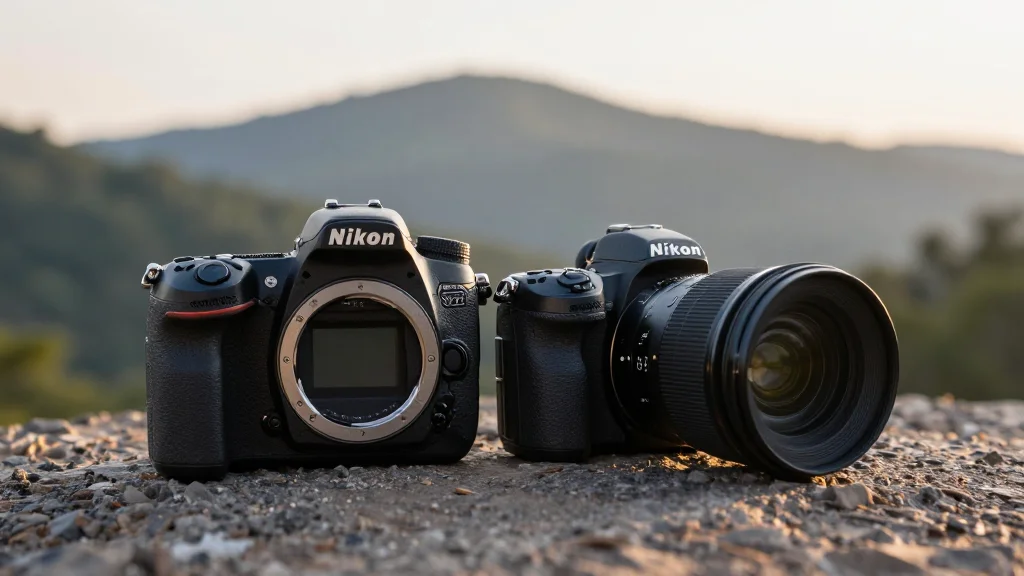
Nikon’s shift from the DSLR‑centric F‑mount to the Z‑mount mirrors a broader industry trend toward larger‑diameter, shorter‑flange lenses that deliver superior optical performance. The FTZ (F‑to‑Z) adapter bridges this gap, allowing legacy glass to communicate with the Z6 III and Z8 while preserving exposure metering, vibration reduction, and most autofocus functions. However, certain older lenses—especially those lacking built‑in focus motors—may experience slower or less reliable AF on the newer bodies, prompting users to evaluate which lenses are mission‑critical versus those that can be retired.
Performance differentials between the Z6 III and Z8 are stark. The Z6 III, with its 24.5‑megapixel sensor, excels in low‑light scenarios, offers 12‑fps continuous shooting, and supports 4K/60p video with robust in‑body stabilization—making it a solid all‑rounder for hikers and videographers. The Z8, on the other hand, pushes resolution to 45.7 megapixels, delivering finer detail for landscape and studio work, but it carries a premium price tag and larger file sizes that demand more storage and processing power. For photographers who prioritize versatility over pixel count, the Z6 III often presents the better value proposition.
Beyond hardware, the upgrade decision impacts workflow and long‑term financial planning. Retaining the D7100’s lens arsenal via the FTZ adapter can defer the cost of new glass, yet the photographer must consider future resale value; lenses that perform sub‑optimally on Z‑mount bodies may depreciate faster. Conversely, investing in native Z lenses unlocks the full potential of Nikon’s mirrorless technology, including faster hybrid AF and better edge‑to‑edge sharpness. Ultimately, the optimal path balances immediate shooting needs, budget constraints, and the desire to stay aligned with Nikon’s evolving ecosystem.
Nikon: Upgrade from D7100
Comments
Want to join the conversation?
Loading comments...