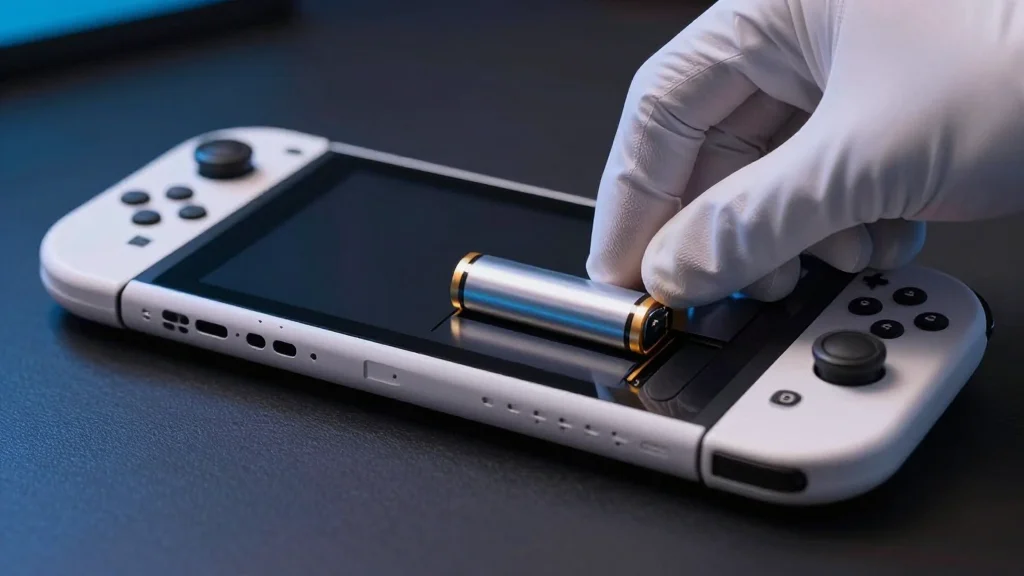
Nintendo Redesigns Switch 2 for EU with Replaceable Battery to Meet Right‑to‑repair Rules

Why It Matters
The EU’s right‑to‑repair regulations are the first major legislative push that directly forces a change in handheld gaming hardware. Nintendo’s adaptation demonstrates that consumer‑focused legislation can drive design decisions even for products traditionally insulated from such pressures. By making batteries user‑replaceable, Nintendo not only complies with law but also addresses growing consumer demand for sustainable, repairable electronics, potentially extending the lifespan of its flagship console. Beyond Nintendo, the move signals to the broader hardware ecosystem that compliance will be a competitive differentiator. Companies that pre‑emptively redesign for repairability may capture environmentally conscious consumers and avoid costly redesigns later. The shift could also stimulate a secondary market for certified replacement parts, reshaping revenue streams for manufacturers and third‑party suppliers alike.
Key Takeaways
- •Nintendo will ship a European version of Switch 2 with a user‑replaceable battery.
- •The redesign is aimed at complying with upcoming EU right‑to‑repair regulations.
- •Change may be limited to Europe, reflecting regional regulatory differences.
- •Industry trend: other major hardware makers are also moving toward repairable designs.
- •Potential market impact includes lower long‑term ownership costs and new aftermarket opportunities.
Pulse Analysis
Nintendo’s battery redesign is a textbook case of regulation dictating product architecture. Historically, the company has prioritized sleek, integrated designs that lock users into proprietary service channels. By opening the battery compartment, Nintendo concedes a degree of modularity that could erode its after‑sales service revenue, but it also mitigates the risk of regulatory penalties and aligns the brand with sustainability narratives gaining traction among gamers.
From a competitive standpoint, the move may level the playing field with rivals who have already embraced repairability. Apple’s recent iPhone models feature battery‑swap kits, and Samsung’s foldable phones are being engineered for easier component access. Nintendo’s late entry could be perceived as reactive, yet the company’s massive install base and brand loyalty may cushion any short‑term perception of lag. Moreover, the Switch’s unique hybrid form factor imposes engineering constraints that make a removable battery more challenging than in a slab smartphone, suggesting a non‑trivial investment in redesign.
Looking ahead, the EU’s regulatory framework could become a de‑facto global standard as manufacturers streamline production for multiple markets. If Nintendo’s European Switch 2 proves reliable and cost‑effective, the company may roll out the same design worldwide, pre‑empting a fragmented product line. This would not only simplify supply chains but also position Nintendo as a leader in sustainable gaming hardware, a narrative that could translate into stronger brand equity and potentially higher sales in markets where environmental concerns influence purchasing decisions.
Nintendo redesigns Switch 2 for EU with replaceable battery to meet right‑to‑repair rules
Comments
Want to join the conversation?
Loading comments...