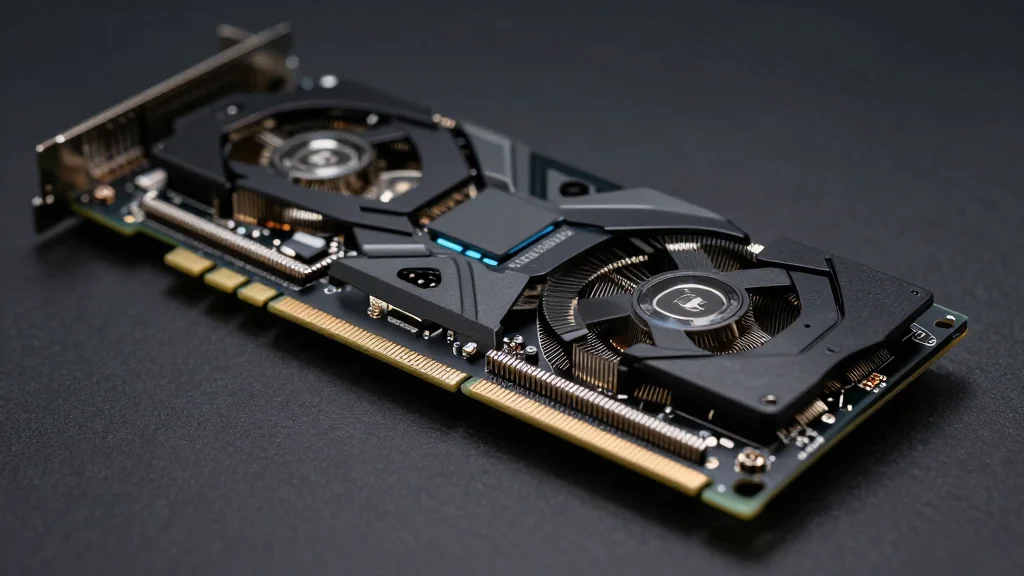
NVIDIA Adds 12 GB RTX 5070 Mobile GPU, Boosting VRAM 50% without Architecture Change

Companies Mentioned

Why It Matters
The 12‑GB RTX 5070 mobile GPU illustrates how memory‑chip availability can shape product roadmaps more than raw compute performance. By addressing a specific supply bottleneck, NVIDIA offers a differentiated SKU that extends the useful life of its current architecture, giving laptop manufacturers a way to meet rising demand for higher‑resolution gaming and on‑device AI without waiting for a new silicon generation. This move also signals to the broader hardware ecosystem that incremental memory upgrades can be a viable path to market differentiation when fab capacity is constrained. For end users, the expanded VRAM translates into tangible benefits for workloads that are increasingly memory‑hungry, from 4K gaming to locally‑run generative AI models. As more creators shift to on‑device processing to avoid cloud costs and latency, GPUs that balance power efficiency with sufficient memory become critical enablers of the next wave of mobile productivity.
Key Takeaways
- •NVIDIA launches RTX 5070 mobile GPU with 12 GB VRAM, a 50% increase over the 8 GB model
- •Core architecture, CUDA cores and clock speeds remain unchanged
- •Upgrade driven by limited 16‑Gb G7 memory chip supply and stable 24‑Gb G7 availability
- •12 GB version benefits 2K/4K gaming, high‑resolution textures, and AI/creative workloads
- •OEMs expected to ship the new SKU in premium laptops within the next quarter
Pulse Analysis
NVIDIA’s 12‑GB RTX 5070 is a textbook example of product segmentation driven by supply‑chain realities rather than a leap in silicon performance. Historically, GPU makers have introduced new generations to capture performance gains, but the current global chip shortage forces a different calculus. By re‑configuring the memory stack, NVIDIA can monetize the same die at a higher price point while delivering a genuine user benefit in memory‑intensive scenarios. This tactic mirrors the industry’s broader shift toward modular upgrades—think of Apple’s recent memory‑only MacBook Pro refreshes—where manufacturers extract value from existing designs.
From a competitive standpoint, the move narrows the gap between NVIDIA and AMD’s mobile offerings, which have already emphasized higher VRAM capacities in some of their Radeon 7000 series laptops. However, NVIDIA retains an advantage in software ecosystem and AI acceleration, and the 12‑GB RTX 5070 reinforces that lead by catering to creators who need on‑device inference capabilities. As laptop buyers become more discerning about VRAM headroom for AI‑enhanced applications, NVIDIA’s early address of the memory bottleneck could translate into stronger OEM contracts and higher average selling prices.
Looking ahead, the 12‑GB RTX 5070 may set a precedent for future mid‑range mobile GPUs: incremental memory upgrades could become a standard response to component shortages, especially as AI workloads proliferate. If NVIDIA can continue to balance supply constraints with clear performance benefits, it will preserve its premium positioning without the costly R&D cycles associated with full architecture overhauls. The real test will be how quickly competitors can match or exceed the memory capacity while maintaining power efficiency, a factor that will shape the next generation of high‑performance laptops.
NVIDIA adds 12 GB RTX 5070 mobile GPU, boosting VRAM 50% without architecture change
Comments
Want to join the conversation?
Loading comments...