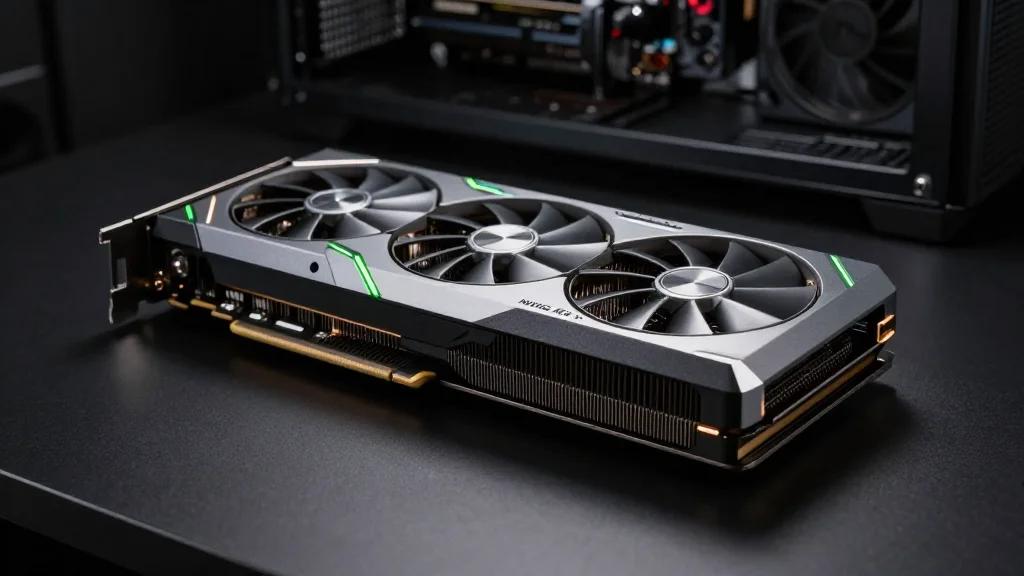
Nvidia Could Bring Back the 12GB RTX 3060 as Supply Issues Disrupt GPU Roadmap
Companies Mentioned
Why It Matters
Re‑launching the RTX 3060 gives Nvidia a ready‑made, high‑VRAM product to meet gamer demand while buying time for its premium roadmap, and signals how AI‑driven memory shortages are reshaping consumer GPU strategies.
Key Takeaways
- •Nvidia may restart RTX 3060 production with 12 GB VRAM in June
- •AI data‑center demand squeezes GDDR6 supply, delaying RTX 5050 launch
- •RTX 3060 remains Steam Survey leader despite being five years old
- •Potential RTX 3060 refresh could inherit AI features from RTX 40/50 series
- •AMD hints at Ryzen 7 5800X3D revival amid DDR5 cost pressures
Pulse Analysis
The surge in AI workloads has turned memory chips into a strategic bottleneck. Data‑center GPUs now dominate GDDR7 production, leaving GDDR6—used by mainstream cards like the RTX 3060—scarcer and pricier. Nvidia’s decision to revive a five‑year‑old GPU underscores how manufacturers are forced to lean on proven, lower‑cost architectures when supply chains cannot keep pace with next‑gen demand. This tactical pivot helps preserve market share in the enthusiast segment while the company re‑tools its fab capacity for higher‑margin, AI‑centric products.
For gamers, the RTX 3060’s 12 GB of VRAM remains a decisive advantage over newer, lower‑memory models such as the RTX 4060 and RTX 5060. Its top spot in the Steam Survey reflects a market that values memory headroom for modern titles and high‑resolution textures. If Nvidia adds AI‑enhanced features from the RTX 40/50 line—like DLSS 3 or improved ray‑tracing— the refreshed 3060 could offer a compelling blend of performance and price, extending the life cycle of a card that still commands strong resale value.
The ripple effect reaches beyond graphics. AMD’s potential re‑release of the Ryzen 7 5800X3D highlights a broader industry trend: legacy silicon is being resurrected to serve cost‑conscious consumers as DDR5 adoption stalls under high prices. Both Nvidia and AMD are leveraging existing product ecosystems to mitigate supply constraints, buying time to transition to newer memory standards without abandoning their current user bases. This strategy may shape the competitive landscape for the next 12‑18 months, as manufacturers balance innovation with pragmatic inventory management.
Nvidia could bring back the 12GB RTX 3060 as supply issues disrupt GPU roadmap
Comments
Want to join the conversation?
Loading comments...