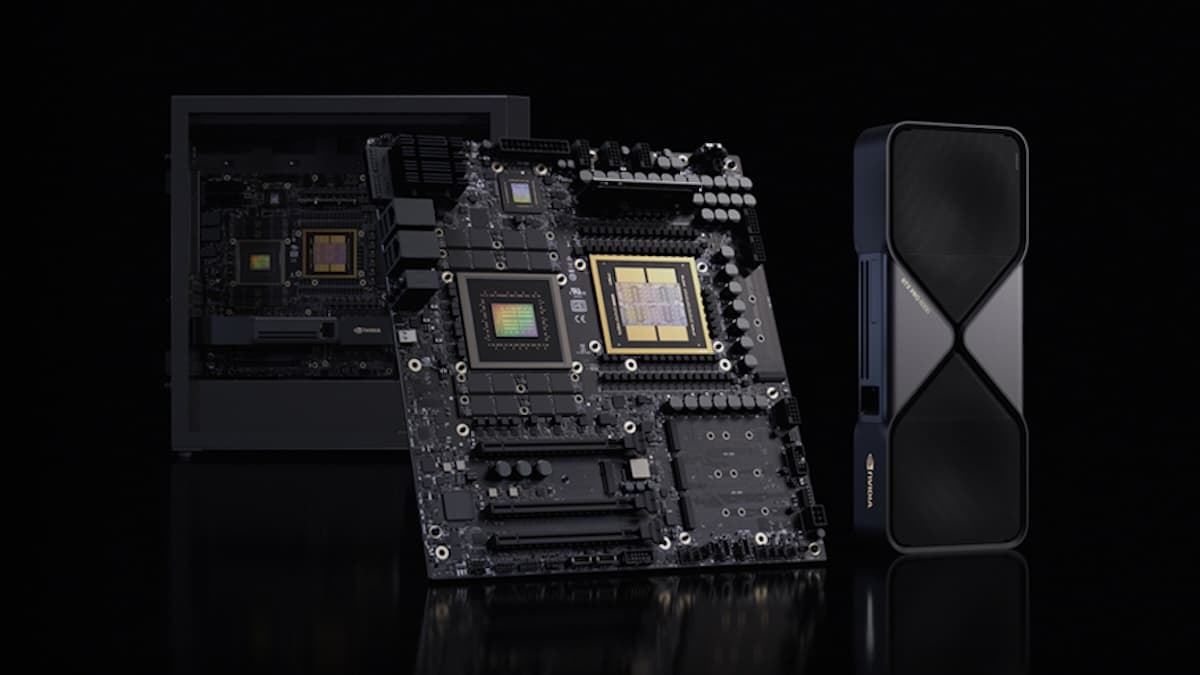
Nvidia GPU Crackdown Hits China-Linked Southeast Asia Data Centers
Why It Matters
Closing the loophole curtails China’s access to cutting‑edge AI hardware abroad, tightening U.S. national‑security controls while forcing Chinese firms to seek costlier workarounds. The shift reshapes the competitive landscape for AI chip supply chains in the region.
Key Takeaways
- •BIS now requires export licenses for any entity ultimately owned by China
- •Hundreds of thousands of Nvidia AI GPUs may have already entered Southeast Asia
- •Existing chips stay in use, but future purchases face license delays
- •Chinese firms may shift to H200 chips or indirect access methods
- •Loophole closure raises compliance costs and legal risk for overseas subsidiaries
Pulse Analysis
The latest guidance from the Bureau of Industry and Security (BIS) marks a decisive step in U.S. export‑control policy after a year of ambiguity. When the Trump administration shelved the AI Diffusion Rule in 2025, Chinese technology firms exploited the gap, routing Nvidia’s high‑end Blackwell GPUs through subsidiaries in Singapore and Malaysia. By clarifying that the ultimate parent’s location—not the subsidiary’s registration—triggers licensing, BIS eliminates the legal gray area that enabled the flow of advanced chips to China‑linked data centers. This regulatory tightening aligns with broader U.S. efforts to safeguard AI super‑computing capabilities.
For Chinese‑owned data‑center operators in Southeast Asia, the guidance creates an immediate compliance headache. Existing inventories of Nvidia GPUs can remain operational, but any plan to upgrade or expand will be stalled by mandatory license applications, which historically endure lengthy reviews. Companies are likely to pivot toward Nvidia’s H200 chips, which remain unrestricted, or explore indirect access routes such as cloud‑service contracts that bundle compute power. The added licensing burden also raises legal exposure, prompting firms to restructure ownership chains or increase reliance on domestic alternatives like Huawei’s Ascend 920, albeit with lower performance.
Strategically, the move underscores Washington’s three‑track approach: contain China’s AI capabilities, preserve revenue from less‑restricted chips, and coax key allies like TSMC into U.S.‑based production. By tightening export controls while leaving a narrow set of chips available, the U.S. aims to limit China’s rapid AI advancement without completely severing commercial ties. Analysts expect further refinements, potentially expanding the licensing scope to cover additional chip families or tightening enforcement on trans‑shipment routes. The evolving policy landscape will shape investment decisions across the global semiconductor ecosystem, influencing where AI workloads are hosted and which hardware vendors gain market share.
Nvidia GPU crackdown hits China-linked Southeast Asia data centers
Comments
Want to join the conversation?
Loading comments...