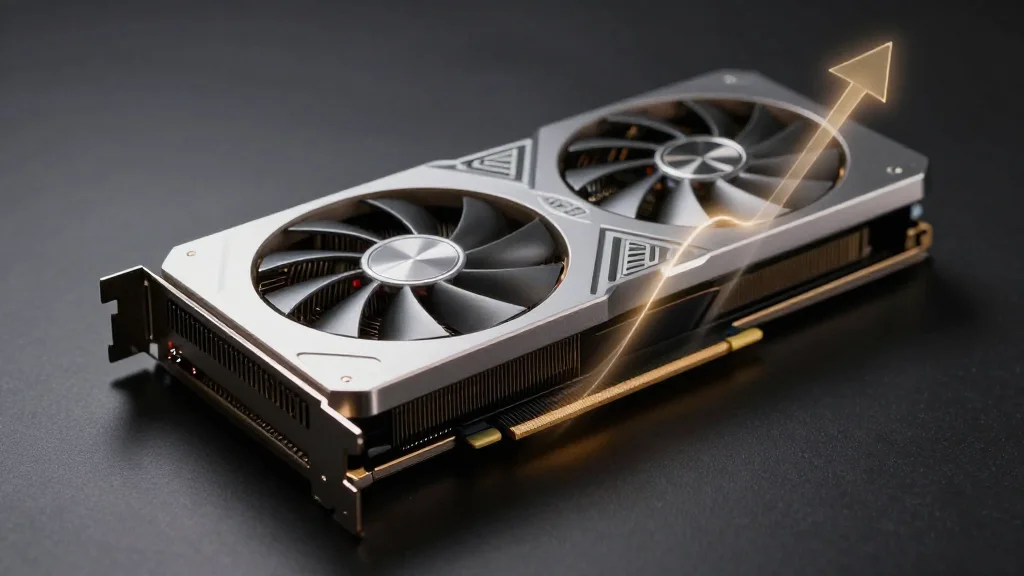
Nvidia to Raise RTX 5090 Price by $300 Amid GDDR7 Memory Cost Surge

Companies Mentioned
Why It Matters
The RTX 5090 price hike highlights how the global DRAM shortage is spilling over into the high‑end graphics segment, where margins are already thin and supply is constrained. By passing memory cost increases onto AIB partners and ultimately consumers, Nvidia signals that future GPU pricing will be increasingly tied to semiconductor supply dynamics rather than pure performance competition. For the broader PC ecosystem, higher flagship prices could dampen demand for premium builds, push enthusiasts toward alternative platforms, and accelerate interest in subscription‑based or cloud‑rendering solutions. The move also puts pressure on AMD and other rivals to manage their own memory costs, potentially reshaping the competitive balance in the next generation of gaming and professional graphics hardware.
Key Takeaways
- •$300 (≈2,000 RMB) price increase announced for RTX 5090 and RTX 5090D V2.
- •GDDR7 memory costs are rising amid a DRAM shortage that has driven prices up 60%+ in Q2.
- •Current street price of RTX 5090 sits between $3,500 and $4,500; the hike could push it above $5,000.
- •Nvidia’s portfolio adjustments include a July return of RTX 3060 12 GB and a delay of RTX 5050 9 GB.
- •ASUS is prioritizing the RTX 5080 over the RTX 5070 Ti, reflecting a shift toward higher‑margin, memory‑intensive cards.
Pulse Analysis
Nvidia’s decision to raise the RTX 5090 price is less about profit maximization than about preserving supply chain stability. The GDDR7 shortage is a symptom of a broader semiconductor bottleneck that began in 2020 and has been exacerbated by geopolitical tensions and soaring demand for AI accelerators. By shifting part of the memory cost burden to AIB partners, Nvidia protects its own balance sheet while signaling to the market that memory scarcity will be a pricing lever for years to come.
Historically, flagship GPU pricing has been anchored to a $1,999‑$2,499 sweet spot, a range that balances performance prestige with attainable consumer demand. Crossing the $5,000 line marks a departure from that model and may reclassify the RTX 5090 as a niche, workstation‑grade product rather than a mainstream enthusiast card. This could open a window for AMD’s upcoming RDNA 4 GPUs, which are expected to ship with more cost‑effective memory solutions, to capture price‑sensitive high‑end buyers.
Looking ahead, the trajectory of GDDR7 pricing will dictate whether Nvidia continues to hike prices across its Blackwell lineup or seeks alternative cost‑mitigation strategies, such as redesigning memory interfaces or leveraging newer packaging technologies. For investors and industry watchers, the RTX 5090 price adjustment serves as an early warning that memory economics will increasingly shape the competitive dynamics of the graphics market, influencing everything from product launch calendars to the viability of next‑gen gaming PCs.
Nvidia to Raise RTX 5090 Price by $300 Amid GDDR7 Memory Cost Surge
Comments
Want to join the conversation?
Loading comments...