Companies Mentioned
Why It Matters
Outdated NAS hardware threatens data availability and slows large‑file transfers, raising downtime costs and harming business productivity.
Key Takeaways
- •Replace 13‑year‑old HDDs now; age exceeds typical reliability window
- •Inspect NAS motherboard capacitors, fan, and power supply for wear
- •2.5 Gb Ethernet eliminates bottleneck for modern high‑capacity drives
- •4‑bay NAS offers expansion flexibility and better PSU headroom
- •Regular component maintenance can extend NAS life by several years
Pulse Analysis
The longevity of a network‑attached storage device hinges on both its mechanical components and the environment in which it operates. Hard drives typically reach the end of their useful life after five to seven years of continuous operation, making a 13‑year‑old 2 TB WD Red pair a high‑risk element. Beyond the disks, aging capacitors, dust‑laden fans, and aging power supplies can cause intermittent failures that are hard to diagnose. Proactive replacement of drives and a thorough inspection of the motherboard and power circuitry can extend the existing unit’s service life by several years, but the cost‑benefit analysis often favors a fresh platform.
Network bandwidth has outpaced the capabilities of legacy 1 Gb Ethernet, especially for media‑rich environments that handle 4K video, large backups, or virtual machine images. A 2.5 Gb Ethernet connection offers a threefold increase in throughput, reducing transfer times and alleviating congestion on shared links. Pairing this speed with a 4‑bay NAS not only provides immediate capacity beyond the current 2 TB effective storage but also creates headroom for future expansion without sacrificing performance. The larger chassis typically houses a more robust power supply, which, when under‑utilized by only two drives, enjoys a longer operational lifespan.
When budgeting for a replacement, businesses should weigh the total cost of ownership, including potential downtime, data migration, and future scalability. Refurbished units can be cost‑effective, yet they may lack the latest network interfaces and warranty coverage. Investing in a new NAS with 2.5 Gb ports and modular drive bays ensures compatibility with upcoming storage technologies and simplifies upgrades. Regular preventive maintenance—cleaning fans, checking voltage rails, and monitoring SMART data—further protects the investment, delivering reliable data access and consistent network performance over the long term.
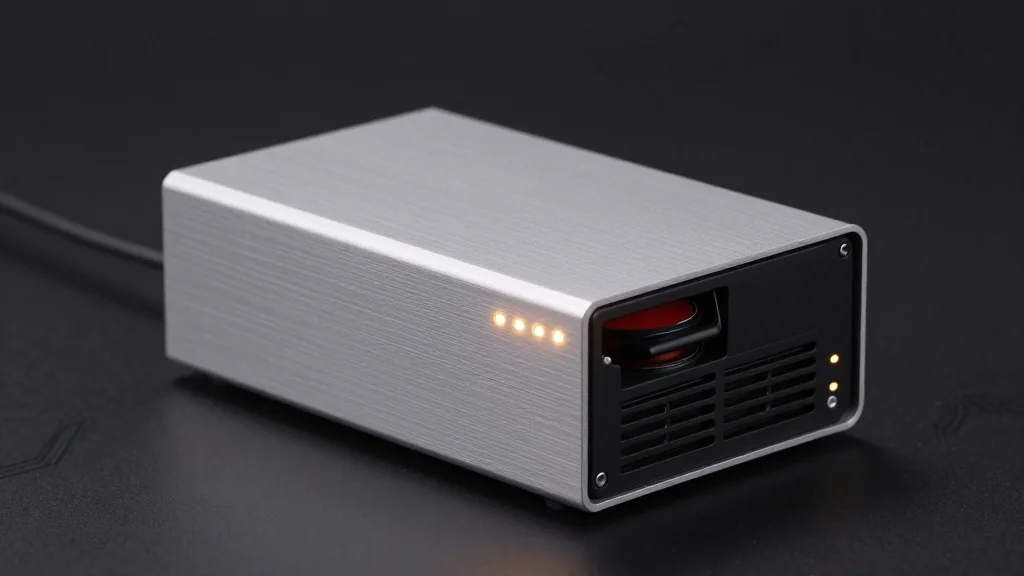
Old NAS worries
Comments
Want to join the conversation?
Loading comments...