Companies Mentioned

Why It Matters
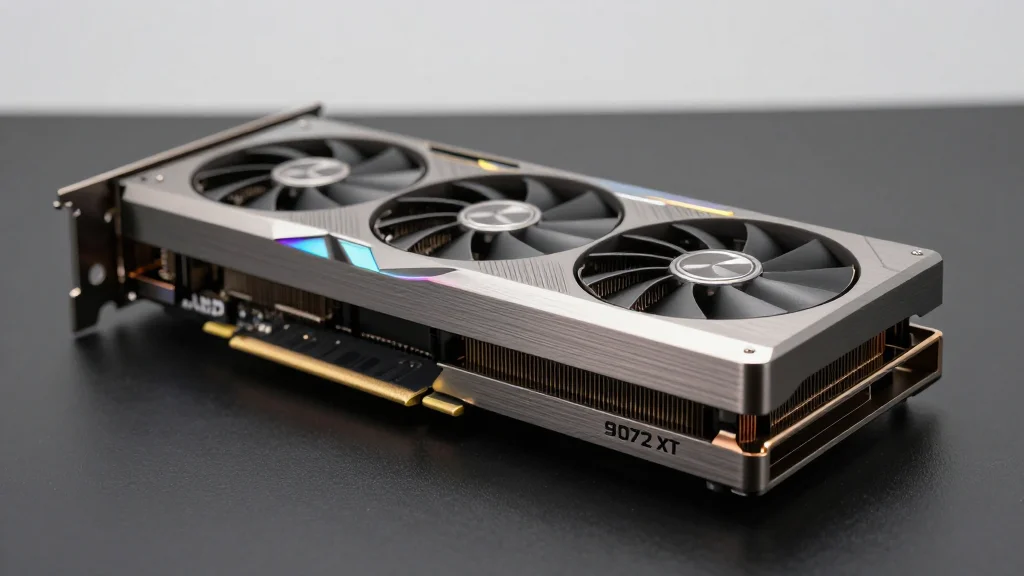
Upgrading to a 9070 XT can extend a PC’s relevance by delivering better performance, lower driver friction, and higher resale value before the next AMD architecture lands. Timing the purchase balances immediate gains against waiting for RDNA 5’s uncertain pricing and feature set.
Key Takeaways
- •9070 XT adds modest boost and better driver stability
- •Gigabyte 9070 XT is cheapest, but may need custom cooling
- •Sapphire model has power connector concerns despite top performance
- •Resale value of RDNA4 cards likely higher than older 7900 XT
- •RDNA5 expected H2 2027; waiting may affect upgrade timing
Pulse Analysis
The decision to replace a Radeon 7900 XT with a 9070 XT reflects a broader market shift toward AMD’s RDNA 4 architecture, which emphasizes more efficient ray‑tracing and the latest FidelityFX Super Resolution 4 (FSR 4). While the performance delta between the two generations is modest—typically 5‑10 percent in modern titles—the newer silicon benefits from refined drivers and reduced thermal throttling, translating to a smoother gaming experience and longer hardware lifespan. For consumers, the price gap is a critical factor; the Gigabyte variant undercuts its XFX and Sapphire counterparts by roughly $300, making it an attractive entry point for budget‑conscious gamers.
Beyond raw benchmarks, each card’s design influences real‑world usability. The Sapphire Nitro model often tops performance charts but has been flagged for an unconventional power connector that can complicate installation. Conversely, the Gigabyte Triple‑fan version, while economically appealing, may run hotter or louder, prompting users to consider aftermarket cooling solutions such as Noctua fans. The XFX Mercury strikes a middle ground with higher boost clocks and a more conventional power layout, albeit at a premium price. Resale dynamics also favor the newer RDNA 4 cards, as they retain higher market demand compared to the aging 7900 XT, potentially offsetting the initial outlay.
Looking ahead, AMD’s roadmap hints at RDNA 5 arriving in the second half of 2027, promising substantial architectural leaps and possibly exclusive features like FSR 5. This timeline creates a strategic dilemma: upgrade now to capture immediate gains and preserve resale value, or wait for the next generation, risking higher costs and a shorter window of relevance for the 9070 XT. For most users, the sweet spot lies in upgrading now—especially if the price differential remains modest—while keeping an eye on upcoming driver updates and market trends that could influence the long‑term value of the investment.
Opinion on upgrading GPU's
Comments
Want to join the conversation?
Loading comments...