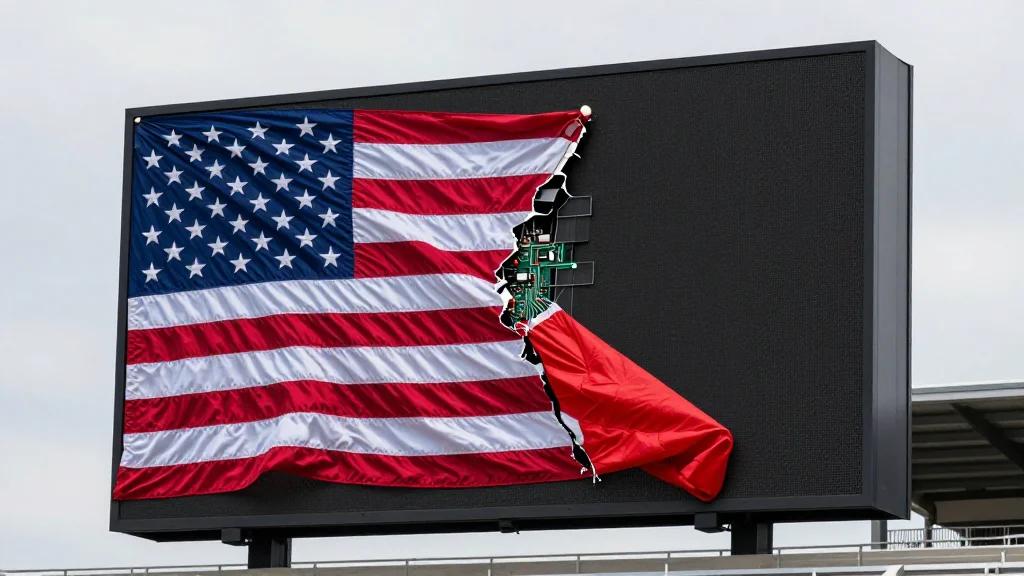
Parachuter Crashes Into Virginia Tech Scoreboard, Delaying Spring Game by Over an Hour

Why It Matters
The scoreboard is a central piece of a stadium’s digital infrastructure, delivering real‑time scores, replays, and fan engagement content. Damage to such hardware can disrupt broadcast schedules, affect revenue streams from advertising, and compromise the fan experience. Moreover, the incident underscores the importance of integrating safety protocols for non‑traditional entertainment acts with the engineering safeguards that protect critical venue assets. For the broader hardware industry, the event serves as a reminder that even well‑engineered systems can be vulnerable to unexpected physical impacts. Manufacturers of large‑scale display technology may see increased demand for reinforced mounting solutions and rapid‑repair services, while stadium operators will likely revisit insurance policies and emergency response plans to mitigate future risks.
Key Takeaways
- •Parachuter hit Lane Stadium scoreboard, breaking lettering and exposing internal lights
- •Game delayed by over an hour while rescue crews used a crane to retrieve the jumper
- •Virginia Tech Athletics confirmed the jumper was "stable" and thanked first responders
- •Scoreboard repairs could run into the low‑hundreds of thousands of dollars
- •University will conduct a hardware safety review and release findings within two weeks
Pulse Analysis
The Virginia Tech scoreboard incident is a textbook case of how a single, unplanned physical impact can cascade into operational, financial, and reputational challenges for a sports venue. While the immediate concern was the safety of the parachuter, the longer‑term implications revolve around the resilience of high‑value digital hardware. Modern stadiums invest heavily in LED video boards that serve as both information hubs and advertising platforms; any downtime directly translates to lost ad revenue and diminished fan engagement.
Historically, stadiums have focused safety protocols on crowd control, fire hazards, and structural integrity, but aerial stunts introduce a new vector of risk. The incident will likely accelerate a shift toward stricter coordination between stunt coordinators and venue engineers, possibly mandating pre‑flight simulations that map trajectories against critical hardware zones. For manufacturers, there is an emerging market for reinforced mounting brackets and quick‑swap LED modules designed to minimize repair time after impact.
Looking ahead, universities and professional teams may reevaluate the cost‑benefit balance of high‑profile aerial displays. While such spectacles boost ticket sales and media buzz, the potential for hardware damage and liability claims could outweigh the promotional gains. The Virginia Tech case will serve as a cautionary benchmark, prompting venues nationwide to tighten risk assessments, update insurance coverage, and invest in more robust hardware protection strategies to safeguard both the fan experience and the underlying technology infrastructure.
Parachuter Crashes Into Virginia Tech Scoreboard, Delaying Spring Game by Over an Hour
Comments
Want to join the conversation?
Loading comments...