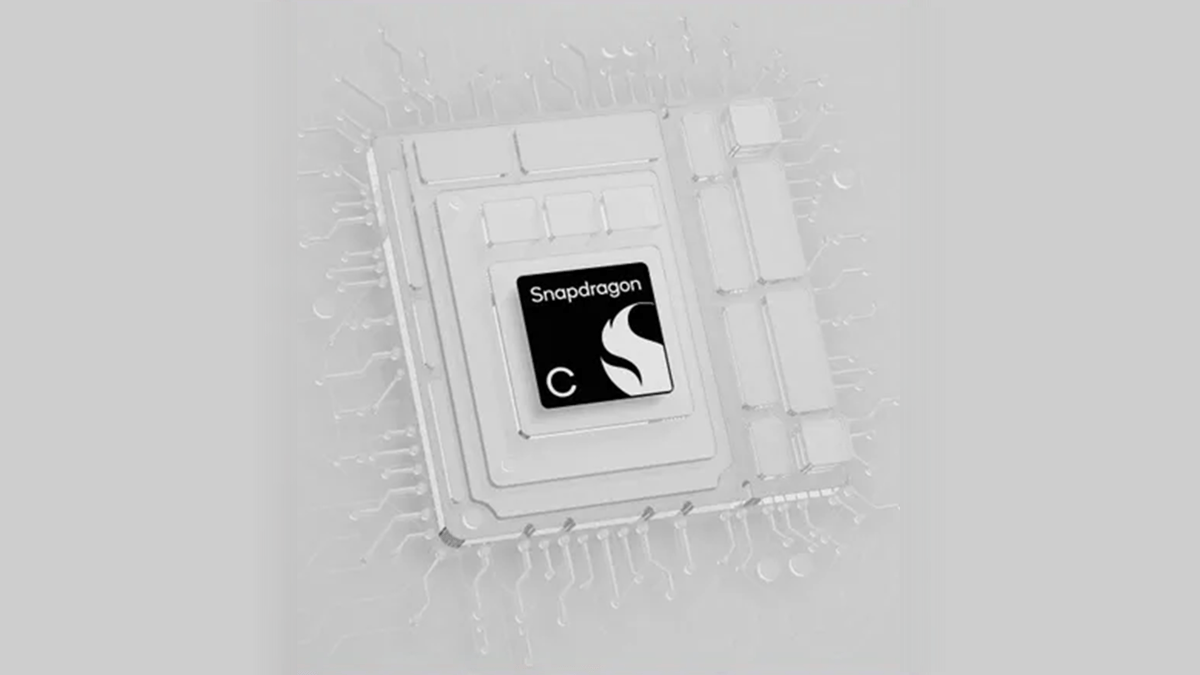
Qualcomm Aims Snapdragon C Laptop Chip at the Budget Laptop Segment, as Manufacturers Feel the DRAM Squeeze — Analysts Warn Sub $500 Laptop Market May Disappear Before 2028
Companies Mentioned


Why It Matters
Snapdragon C offers a low‑cost path for budget Windows laptops, but its stripped‑down feature set and the memory price squeeze may force OEMs to rethink entry‑level product strategies.
Key Takeaways
- •Qualcomm launches Snapdragon C for Windows laptops under $500
- •Snapdragon C uses Kryo cores and 8 GB LPDDR5, skips Copilot+
- •DRAM prices up ~90% Q1 2026, threatening sub‑$500 laptops
- •Analysts predict budget laptop segment may vanish by 2028
- •Intel Wildcat Lake and Apple Neo also chase entry‑level market
Pulse Analysis
The Snapdragon C platform arrives at a pivotal moment for entry‑level Windows laptops. By leveraging Qualcomm’s mature Kryo cores and limiting memory to 8 GB of LPDDR5, the chip can be built into devices that retail in the $300‑$450 range, a price point that has become increasingly elusive as component costs rise. Skipping Microsoft’s Copilot+ certification trims the bill of materials further, but also means buyers miss advanced AI‑driven features that are becoming standard on higher‑priced models. This trade‑off reflects a broader industry push to preserve affordability in the face of volatile memory markets.
Memory pricing is the dominant force reshaping the low‑end PC landscape. TrendForce reports a 90%‑95% year‑over‑year increase in conventional DRAM contracts for Q1 2026, while LPDDR5—required for Snapdragon C—has risen nearly 95% quarter over quarter. Gartner’s forecasts show combined DRAM and SSD costs could climb 130% by year‑end, pushing memory’s proportion of a laptop’s BOM from 16% to over 20%. As a result, OEMs such as HP and Lenovo are seeing memory account for roughly a third of total component spend, forcing many to abandon the sub‑$500 tier or pass costs onto consumers.
Competitors are already moving into the same price bracket. Intel’s Wildcat Lake Core Series 3 targets sub‑$600 x86 machines, while Apple’s $599 MacBook Neo demonstrates how a phone‑derived SoC can deliver compelling performance at a modest price. Qualcomm’s success will hinge on OEM adoption and whether the memory price surge eases. If manufacturers embrace Snapdragon C, it could sustain a thin‑and‑light Windows offering for cost‑sensitive buyers; if not, the budget laptop market may contract dramatically, accelerating the shift toward ARM‑centric devices or higher‑priced, feature‑rich alternatives.
Qualcomm aims Snapdragon C laptop chip at the budget laptop segment, as manufacturers feel the DRAM squeeze — analysts warn sub $500 laptop market may disappear before 2028
Comments
Want to join the conversation?
Loading comments...