Running Adobe's 1991 PostScript Interpreter in the Browser

Why It Matters
Reviving a production‑grade PostScript interpreter in the browser proves legacy code can deliver modern, server‑less rendering, opening new avenues for web‑based printing and preservation of historic software.
Key Takeaways
- •Adobe's 1991 PostScript ROM runs fully in modern browsers.
- •Emulator recreates LaserJet III hardware using a 68K CPU model.
- •No server needed; rendering happens entirely client‑side.
- •Supports arbitrary DPI and paper sizes beyond original printer limits.
- •Enables revival of other vintage cartridge ROMs for web use.
Pulse Analysis
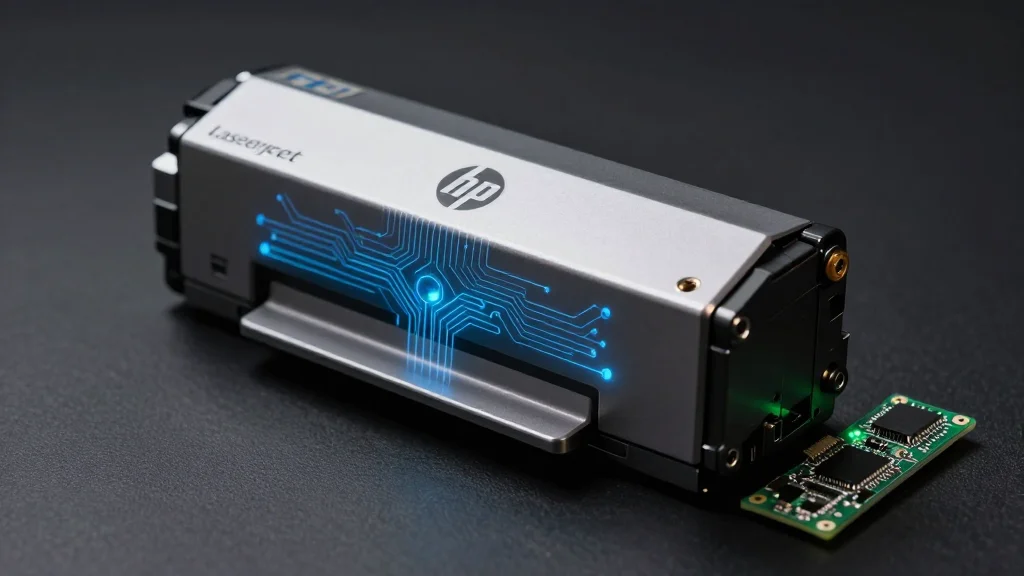
The resurgence of Adobe's 1991 PostScript Level 2 interpreter underscores a broader trend: legacy firmware, once confined to niche hardware, can find fresh relevance in today’s cloud‑free web environment. While Ghostscript dominates open‑source rendering, the original reference implementation offers a pristine, fully compliant baseline that developers can trust for exact output replication. By extracting the ROM from HP’s C2089A cartridge and pairing it with a faithful 68 MHz Motorola 68000 emulator, retro‑ps delivers pixel‑perfect fidelity that mirrors the printer’s native output, preserving a piece of printing history for modern workflows.
Technical ingenuity drives the project’s appeal. The emulator expands the original 1 MB address space to 16 MB, sidestepping the cartridge’s memory limits and enabling high‑resolution rendering far beyond the LaserJet III’s 300 DPI ceiling. Soft‑trap emulation replaces the printer’s mainboard functions, while a DPI‑scaled setscreen prolog mitigates halftone sparsity at higher resolutions. The result is a seamless, client‑side rendering pipeline: users drag a .ps file onto pagetable.com/retro‑ps and watch the page rasterize instantly, eliminating latency and server costs. This architecture showcases how browser‑based emulation can replace traditional server‑side processing for niche document formats.
Looking ahead, retro‑ps paves the way for resurrecting other cartridge‑based ROMs, such as the Pacific Page P·E, and even later LaserJet models that integrated PostScript directly into Intel i960 formatters. By open‑sourcing the emulator, the community gains a platform for exploring vintage printing technologies, testing legacy print jobs, and potentially integrating high‑fidelity PostScript rendering into web‑based design tools. The project illustrates that old code isn’t obsolete—it’s a reusable asset that can enrich modern digital ecosystems.
Running Adobe's 1991 PostScript Interpreter in the Browser
Comments
Want to join the conversation?
Loading comments...