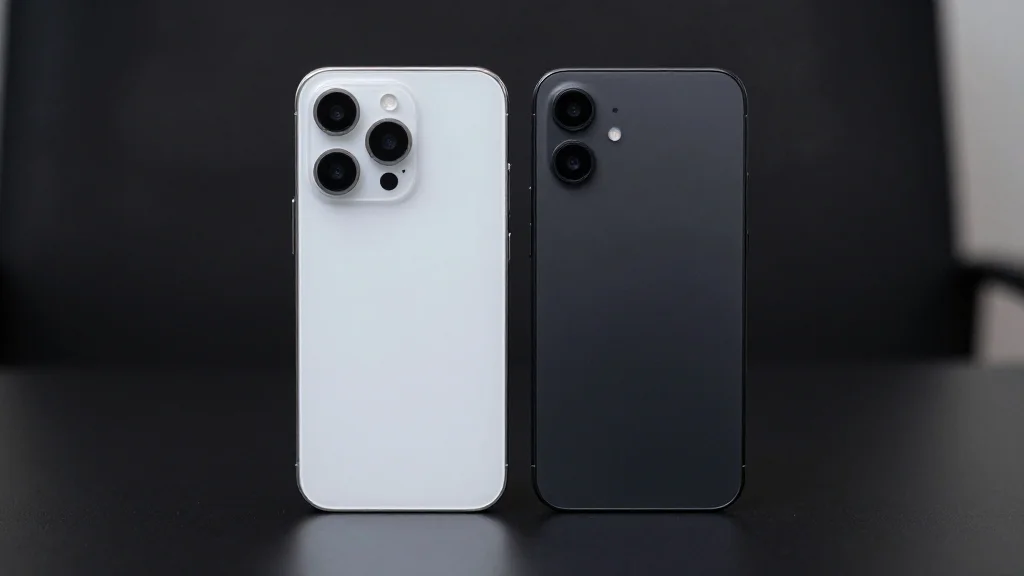
Samsung Galaxy S26 Ultra at $1,299 Faces $199 Galaxy A17 Budget Rival

Companies Mentioned
Why It Matters
The price disparity between Samsung’s flagship and budget phones illustrates a broader industry shift: manufacturers are leveraging premium technology to justify high margins while simultaneously democratizing core features like 5G, high‑refresh displays and long‑term software support. For component suppliers, the S26 Ultra drives demand for advanced camera sensors, high‑capacity batteries and custom display panels, whereas the A17’s success could boost volume orders for mid‑range SoCs and plastic‑based chassis. For consumers, the review underscores that flagship‑level design cues are no longer exclusive to $1,000‑plus devices, but performance and camera quality remain decisive factors. The six‑year software pledge on a $199 phone may set a new baseline for durability expectations, pressuring competitors to extend support windows or risk losing market share in the budget tier.
Key Takeaways
- •Galaxy S26 Ultra priced at $1,299 with 200 MP camera, 120 Hz Privacy Display, 5,000 mAh battery
- •Galaxy A17 launched at $199, features 5G, 90 Hz screen, Exynos 1330 chip, IP54 rating
- •A17 offers six‑year software support, matching Apple’s iPhone commitment
- •Performance gap likened to "Ferrari to Corolla" due to slower Exynos processor
- •Samsung’s dual‑track strategy aims to capture both premium and budget segments
Pulse Analysis
Samsung’s bifurcated approach reflects a calculated response to two divergent market forces: the relentless pursuit of premium differentiation and the expanding demand for affordable 5G smartphones. The S26 Ultra’s $1,299 price point is anchored not just in hardware specs but in brand cachet; it serves as a halo product that reinforces Samsung’s image as an innovator. Historically, flagship launches have driven component upgrades across the supply chain, from Samsung’s own display fabs to third‑party camera makers like Sony. The ripple effect of a high‑end device can elevate the entire ecosystem, raising the bar for competitors.
Conversely, the A17’s aggressive pricing and six‑year update promise signal a strategic pivot toward volume‑driven growth. By extending software longevity, Samsung reduces the perceived risk of a low‑cost purchase, potentially increasing churn resistance and encouraging ecosystem lock‑in. This move could pressure rivals such as Xiaomi and Realme, which traditionally dominate the sub‑$200 space but often offer limited post‑sale support. If the A17 achieves strong sales, we may see a new benchmark where budget phones are expected to deliver flagship‑style durability and software assurance, reshaping consumer expectations and supplier contracts alike.
In the short term, the market will watch how the A17’s modest Exynos 1330 performs under real‑world loads. Should performance bottlenecks prove tolerable for the majority of users, Samsung could further compress its product stack, introducing even cheaper variants without sacrificing brand cohesion. Long‑term, the success of this dual‑pricing model may dictate whether other OEMs adopt similar strategies, potentially leading to a more stratified hardware landscape where premium innovation coexists with robust, low‑cost options.
Samsung Galaxy S26 Ultra at $1,299 faces $199 Galaxy A17 budget rival
Comments
Want to join the conversation?
Loading comments...