Semiconductor Startup Builds Alternatives for Vital Legacy Chips
Companies Mentioned
Why It Matters
Drop‑in replacements prevent expensive platform retirements and unlock revenue for OEMs facing obsolescence, while addressing a growing long‑tail demand that traditional fabs cannot serve profitably.
Key Takeaways
- •Phoenix creates drop‑in chip replacements using off‑the‑shelf IoT parts.
- •Serves high‑mix, low‑volume markets ignored by Intel, TSMC, Samsung.
- •ISO 9001 certification validates its quality management for defense contracts.
- •Backed by J2 Ventures, targeting a multi‑billion‑dollar legacy‑chip market.
- •Plans automation to scale production while keeping switching costs low.
Pulse Analysis
The aerospace and defense sectors are increasingly vulnerable to component obsolescence as semiconductor roadmaps move toward ever‑smaller geometries. When a single control‑unit chip disappears, the cost of grounding a $100 million fighter jet far exceeds the price of the part itself, forcing operators to seek costly redesigns or premature retirements. Similar pressures affect medical imaging, industrial control, and oil‑field equipment, where low‑volume, high‑value systems rely on legacy dies that no major fab will produce in small batches. This “long‑tail” shortage threatens readiness and profitability across multiple high‑stakes industries.
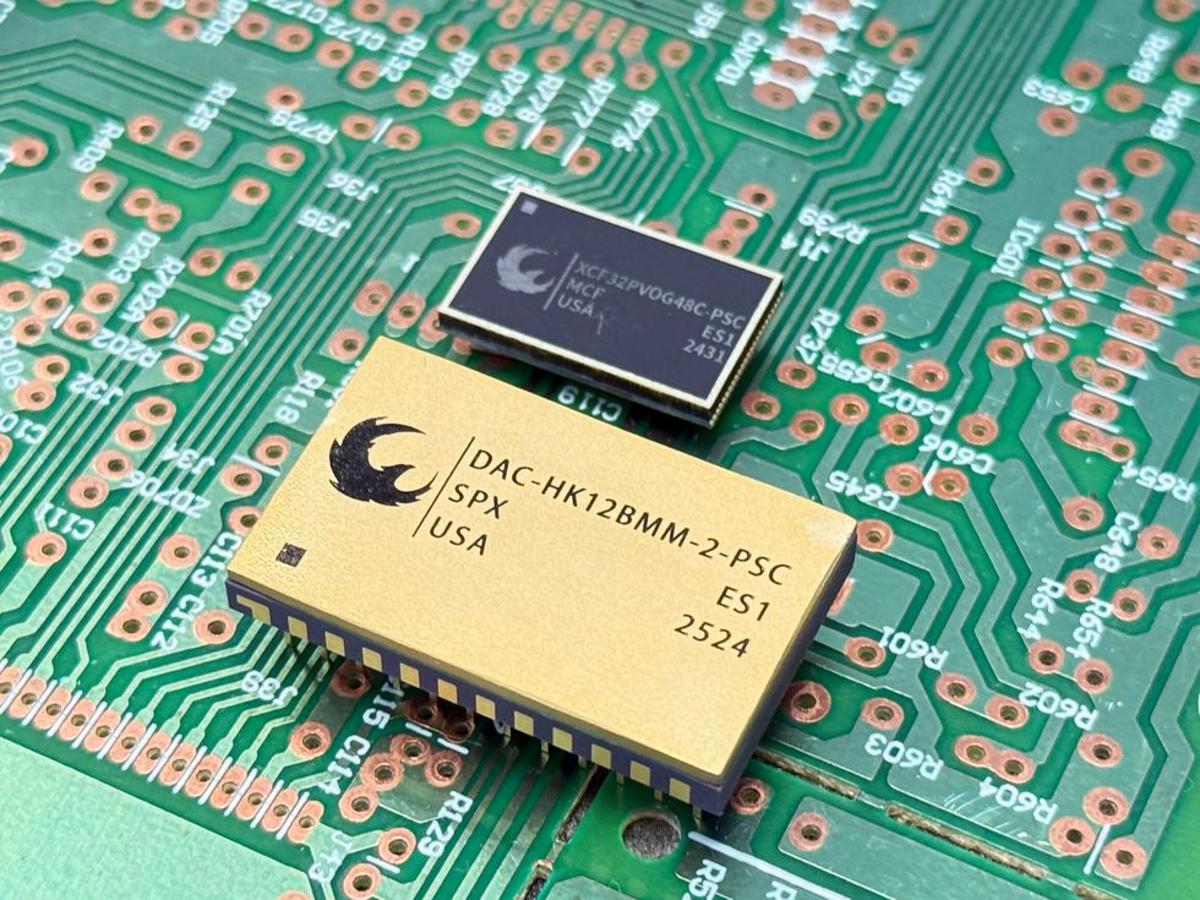
Phoenix Semiconductor tackles the problem by repackaging readily available IoT‑grade dies onto custom interposers that mimic the original package’s pin‑out and form factor. The approach eliminates the need for board, firmware, or software changes, allowing a drop‑in swap that behaves indistinguishably from the discontinued component. Operating from an ISO 9001‑certified lab in Austin, the startup outsources volume runs to specialist assemblers such as Mikros and TTM, preserving quality while avoiding the massive retooling costs that deter traditional foundries.
The market for legacy‑chip replacements is estimated in the billions of dollars annually, yet it remains unattractive to giants like Intel, TSMC, or Samsung, which depend on high‑mix, low‑volume orders. Phoenix’s backing from J2 Ventures and its board expertise give it capital and industry insight to capture this niche. By investing in automation and developing proprietary low‑volume manufacturing flows, the company aims to lower switching costs and expand beyond defense into med‑tech, aerospace, and energy sectors. If successful, Phoenix could become the de‑facto supplier for obsolete semiconductors, reshaping how OEMs manage product lifecycles.
Semiconductor Startup Builds Alternatives for Vital Legacy Chips
Comments
Want to join the conversation?
Loading comments...